finance
Melbourne Small Businesses Confront Critical Challenges as 2026 Market Shifts Rapidly
From Brunswick café strips to South Yarra boutiques, the signals are shifting fast, and operators who ignore them risk getting caught flat-footed.
Listen in English · 4 min
How we reported this
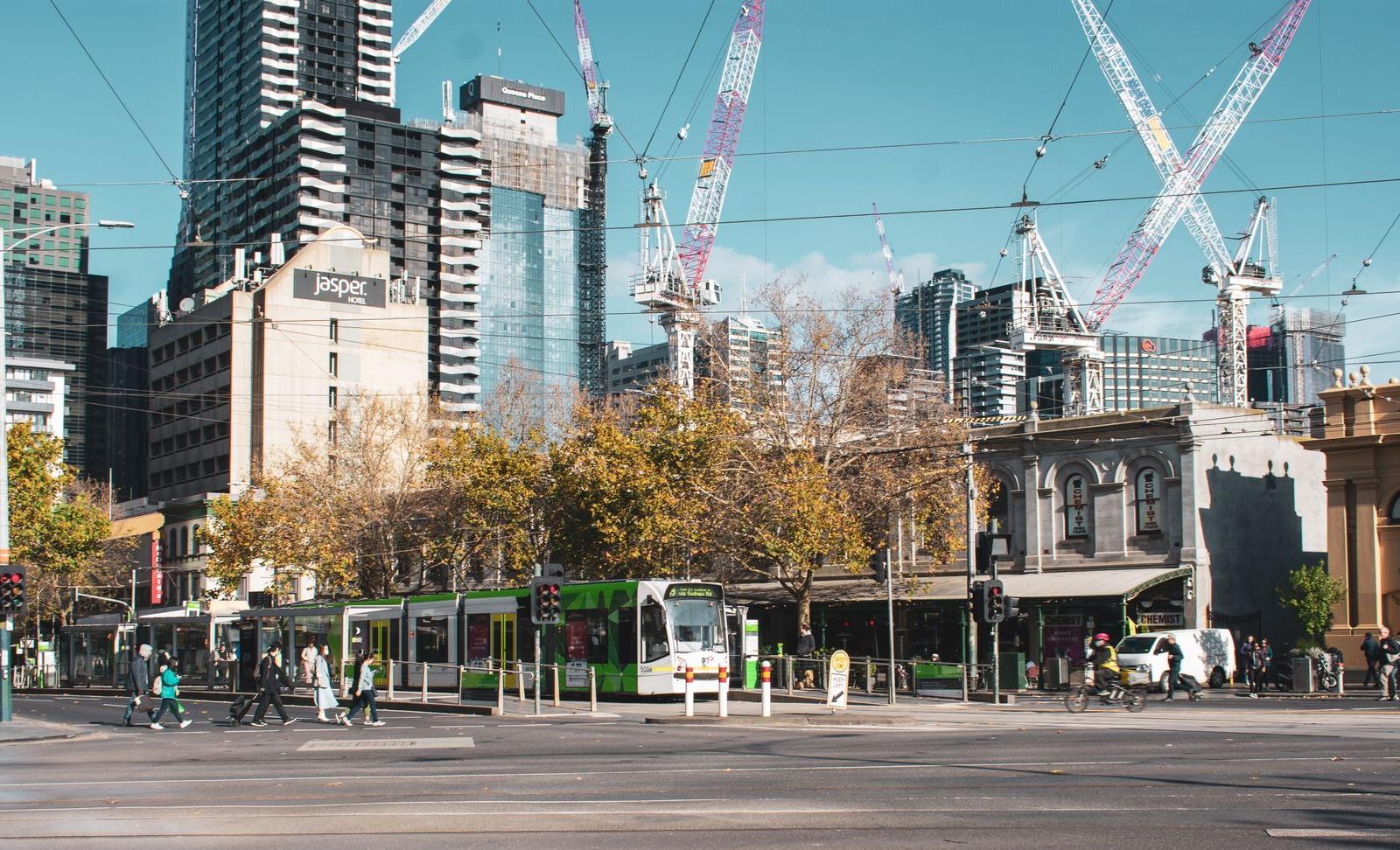
Consumer spending in Melbourne's small business sector softened further in the June quarter, with foot traffic data from the Fitzroy-based retail analytics firm Street Count showing a 7.3 per cent decline across inner-city precincts compared with the same period in 2025. The drop is uneven, hospitality has held steadier than discretionary retail, but the overall direction is clear enough to worry operators sitting on thin margins heading into winter.
The timing matters because several forces are colliding at once. Industrial land in Melbourne's west, particularly around Laverton and Sunshine, is being aggressively bid up by data centre developers, pushing logistics and last-mile delivery costs higher for small operators who rely on warehousing in those corridors. Meanwhile, the property slowdown that has kept first-home buyers on the sidelines has also dampened the kind of household confidence that drives Saturday morning spending on Smith Street or High Street, Armadale.
Where the Opportunities Are Hiding
Not everything is contracting. The circular economy is generating genuine revenue for entrepreneurs nimble enough to move. At the Queen Victoria Market, at least a dozen stall holders have formalised composting partnerships with restaurants in Carlton and Collingwood since January, turning food waste into soil amendments they sell back through garden supply channels. The model requires almost no capital, just logistics coordination and a willingness to treat scraps as stock.
The Melbourne Food and Wine Forum, which convened in May at the Melbourne Convention and Exhibition Centre on Clarendon Street, flagged this as one of the strongest emerging micro-business categories in Victoria. Hospitality operators are paying between $80 and $140 per tonne to have organic waste collected and processed, money that, until recently, simply went to landfill fees. Entrepreneurs who position themselves as the intermediary are taking a margin on both ends.
Separately, the State Government's Small Business Victoria grants program, which reopened its fourth round of applications on 1 July, is offering up to $20,000 for businesses that can demonstrate adoption of energy-efficient equipment or circular supply chain practices. Applications close 29 August. Given competition for industrial land and rising energy costs, equipment upgrades that reduce kilowatt-hour consumption are among the fastest-payback investments available right now.
What Operators Need to Do Before September
Cash flow is the immediate pressure point. The Reserve Bank held rates steady at its June meeting, but the relief that was supposed to flow through to consumer spending has been slower than economists projected. The Melbourne CBD vacancy rate for ground-floor retail sits at 12.8 per cent according to the Property Council of Australia's June report, elevated, but also an opportunity for businesses ready to negotiate hard on short-term leases in locations like Bourke Street's western end or the Emporium Melbourne precinct's secondary tenancy zones.
Three practical moves stand out for small operators right now. First, review every supplier contract signed before March 2025, freight surcharges embedded in those agreements may now be negotiable downward given easing demand in the logistics sector. Second, engage an accountant familiar with the Australian Taxation Office's instant asset write-off provisions before 30 June 2027, which is the current sunset date for the $20,000 threshold. Third, talk to the City of Melbourne's Business Concierge Service, based at 90 Collins Street, which has been running free one-on-one strategy sessions every Tuesday through to August.
The businesses that came through 2020 intact mostly shared one trait: they moved faster than they were comfortable with. The mid-2026 environment is less dramatic but the logic is similar. The margin for delay is thin.
This article is general information only and is not personal financial or investment advice. Consider your own circumstances and seek licensed professional advice before making financial decisions.