lifestyle
South Melbourne Market reinvents shopping with curated local sourcing strategy
While Sydney swelters, Melbourne’s traders are betting on high-end curation and hyper-local sourcing to survive the city’s evolving retail habits.
How we reported this
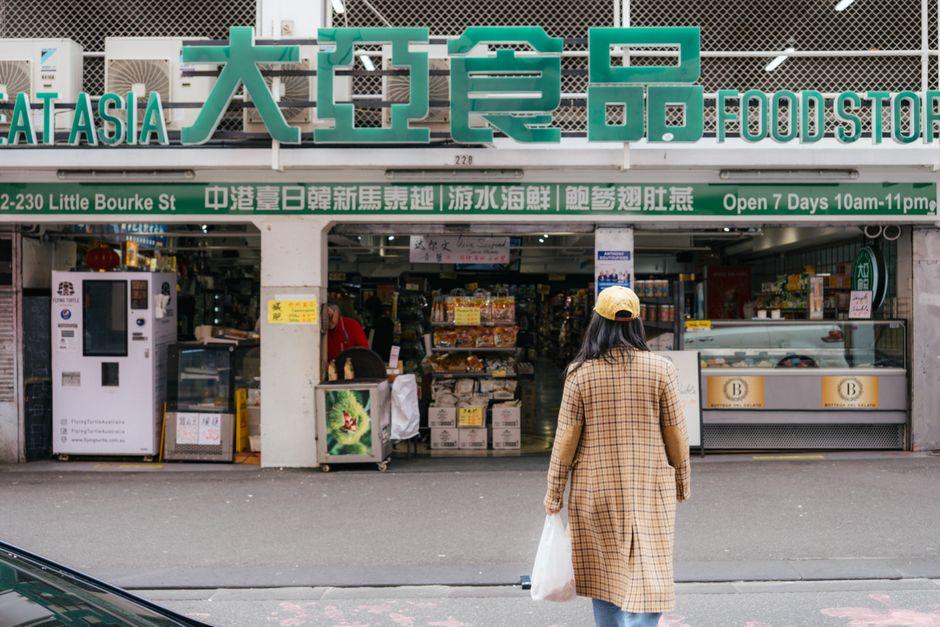
The traditional Sunday trip to the South Melbourne Market is undergoing a quiet, structural transformation as stallholders pivot away from high-volume discounting in favor of specialized, small-batch retail. While grocery prices across Victoria rose by 3.2% in the last quarter according to ABS data, the stalls flanking Coventry Street are increasingly focusing on the "experience economy," blending artisanal pantry goods with high-concept takeaway dining.
The shift toward curated consumption
This evolution marks a departure from the bulk-buy ethos that defined the market for decades. At stores like The Proper Coffee Co., the emphasis has moved toward bespoke brewing kits and single-origin beans, a sharp pivot from the generic sacks of coffee that once dominated the aisles. Retail consultants note that this shift is a direct response to the cost-of-living squeeze; shoppers are choosing to spend $15 on a premium jar of handmade quince paste from regional producers rather than filling a trolley with supermarket generic brands. This isn't just about price; it’s about a performative commitment to local food security.
For traders like those at the Aptus Seafoods counter, the change is operational. They have expanded their 'cook-at-home' kits, providing pre-portioned ingredients that cater to the younger demographic moving into the high-rise apartments sprouting near Kings Way. The market’s administration, governed by the City of Port Phillip, reported that foot traffic on weekdays has seen a 12% increase compared to 2024, suggesting that the site is no longer just a weekend destination, but a functional alternative for professionals working from home.
Adapting to a colder, more expensive reality
Winter supply chains have been tested by the record-breaking heatwaves affecting northern growers, forcing local vendors to reconsider their stock. Brussels sprouts and blackberries are currently the standout value items in the stalls, with prices hovering around $6.50 per kilogram for premium quality produce. Vendors are actively messaging these 'best-value' lists to customers via social media channels, effectively turning the weekly shop into a tactical maneuver. The days of random browsing are largely over; the modern shopper arrives with a targeted list dictated by seasonal availability and budget-friendly highlights.
The next phase of this transformation will involve the integration of more permanent 'micro-kitchens' within the market’s footprint. Plans submitted to the council suggest that by early 2027, the market intends to consolidate its food-to-go stalls into a cohesive dining hub, distancing itself further from the traditional butcher-baker-candlestick-maker layout. For those heading down this Saturday, the advice is simple: prioritize the early-morning trade between 7:00 AM and 9:00 AM to secure the best of the winter produce before the midday rush hits. While the prices may be higher than those found at a suburban chain store, the shift toward quality over quantity appears to be the only strategy keeping the stallholders solvent in a volatile 2026 economy.