lifestyle
Melbourne Reinvents Nightlife and Infrastructure to Attract Global Residents
After years of pandemic-era stagnation, the city has reinvented its night-time economy and public infrastructure to attract a new wave of global arrivals.
How we reported this
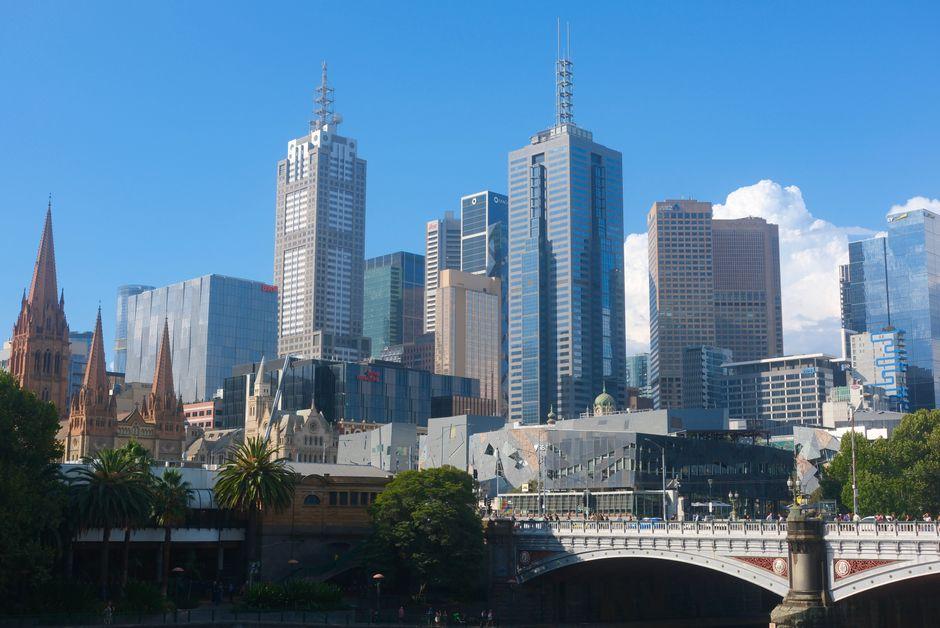
Melbourne’s rental vacancy rate is currently hovering at a razor-thin 1.1 percent, yet the queue for apartments in Fitzroy and Carlton remains longer than ever. Newcomers arriving this July are finding a city that has finally shaken off the 'lockdown capital' label, replacing it with a aggressive push toward pedestrian-centric urban design and a revived late-night hospitality sector that is now drawing international attention.
A New Rhythm for the Inner North
The pivot began with the Victorian government’s commitment to the '24-Hour City' strategy, which has seen liquor licensing hurdles dismantled for independent venues. Places like the revamped nightly jazz schedule at Bird’s Basement and the expanded kitchen hours at the Builders Arms Hotel in Fitzroy now define the local social fabric. Residents are no longer rushing to trains by 10:00 p.m.; they are cycling down newly widened lanes on Rathdowne Street that connect the university precinct to the northern suburbs.
Relocation consultants report a 15 percent spike in inquiries from UK and North American professionals in the first half of 2026. These arrivals are not just looking for proximity to the CBD; they are chasing the '15-minute city' model that the City of Melbourne has piloted in areas like Southbank and North Melbourne. The result is a more localized lifestyle, where independent grocers in the Queen Victoria Market area are seeing a record influx of weekday shoppers who are working hybrid shifts from home.
The Cost of the Melbourne Lifestyle
Entering the market in mid-2026 requires preparation, particularly regarding the cooling of the local property market compared to the volatility seen in 2024. Median weekly rents for units in the inner-city ring have plateaued at roughly $620, providing a temporary reprieve for new arrivals. However, energy costs remain a key variable, with most new lease agreements now scrutinizing the building’s sustainability rating under the updated 2025 Victorian Energy Efficiency Target scheme.
For those currently packing shipping containers, the best advice is to bypass the inner-CBD high-rises and target the fringe neighborhoods where community infrastructure is undergoing renewal. Projects like the Metro Tunnel are entering their final stages of integration, and the surrounding precincts at Parkville and Anzac stations are poised to become the city’s next primary hubs. Securing a local rental reference is the single most effective currency you can carry; aim to connect with a boutique agency in Collingwood or Richmond before you land, as the best stock rarely makes it to public listings on realestate.com.au.