news
Melbourne's Outer Suburbs Miss Out on City's Green Energy Promises
As the Allan government touts its renewable energy targets and urban greening programs, community members in Melbourne's outer suburbs say the benefits are landing everywhere except where they live.
Listen in English · 4 min
How we reported this
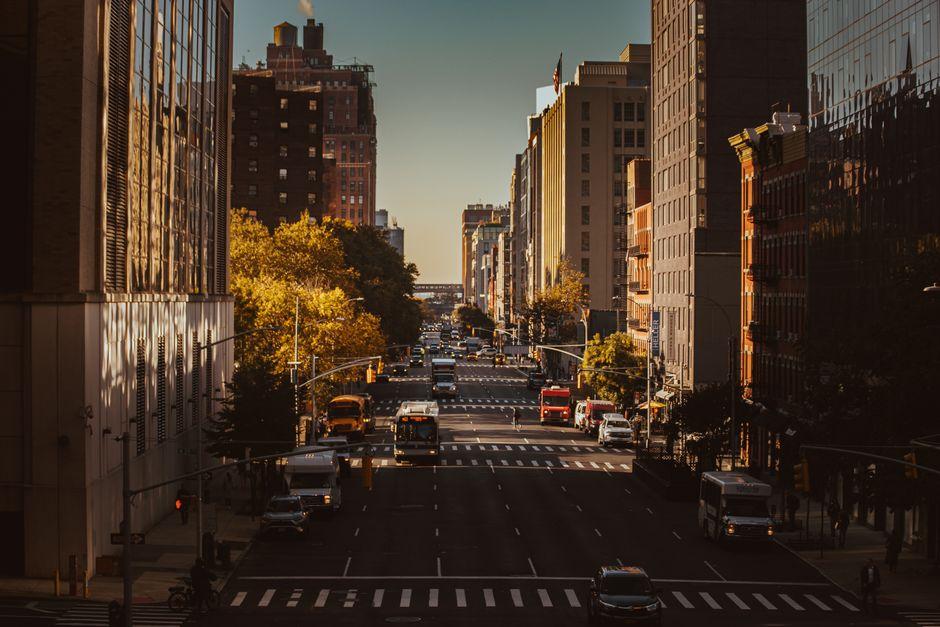
Temperatures in Werribee's newer residential estates topped 43 degrees on four separate days last January. Not a single mature tree lines the footpaths on Shadowfax Road. Residents there say they have been waiting three years for the Victorian government's Urban Forest Strategy to reach their streets, and they're done waiting quietly.
The frustration matters right now because the state government is six months into a sweeping housing density reform package that is adding thousands of new dwellings across Melbourne's west and north, often on treeless former industrial land or greenfield lots with no canopy cover. Advocates argue that without mandatory greening conditions attached to new development approvals, the city is effectively locking in another generation of heat-vulnerable suburbs while patting itself on the back for rooftop solar rebates in Brighton.
Where the Canopy Ends
Melbourne's tree canopy coverage tells a stark story. The inner suburbs of Fitzroy and Carlton average around 22 per cent canopy cover. Wyndham, which took in more than 12,000 new residents in the 12 months to June 2025, sits at roughly 4 per cent. Residents of Point Cook and Hoppers Crossing have been vocal at Wyndham City Council meetings since March, pushing the council to require developers to plant a minimum of one advanced tree, at least 45 litres pot size, per residential allotment before occupancy certificates are issued. The council has not yet acted on the proposal.
The Merri-bek Climate Emergency Action Group, which organises across Brunswick, Coburg, and Glenroy, has documented a different but related problem closer to the city. The group's May 2026 report found that 34 per cent of residential properties in Brunswick East lack access to a community composting program within 500 metres of their front door, even though the state's waste levy, currently set at $132.40 per tonne for municipal solid waste, continues to rise. Residents are paying more into a system they say isn't delivering local infrastructure.
In Footscray, long-time traders on Barkly Street describe the West Footscray Pocket Park initiative, backed by Maribyrnong City Council with $280,000 in 2024-25 funding, as a genuine bright spot. The park now draws families from the Vietnamese and South Sudanese communities who live nearby, and volunteers from the Footscray Community Arts Centre have run six planting days there since October. But residents note it remains one of the few tangible examples of green infrastructure that reached a lower-income, culturally diverse neighbourhood rather than a gentrified one.
Government Programs, Neighbourhood Gaps
The Allan government's Greener Homes program, which offers rebates of up to $1,400 for insulation and $1,000 for energy-efficient hot water systems, has processed more than 47,000 applications since launching in August 2024. Uptake is heavily concentrated in Melbourne's inner and middle-ring postcodes, 3056, 3068, and 3181 figure prominently in Department of Energy figures. Postcodes in Melton and Hume, where mortgage stress is highest and housing stock is newest but cheapest, account for a fraction of applications.
Community energy group Hume Renewables Inc, which operates out of a small office in Broadmeadows, has been running doorknocking campaigns since April to help residents navigate the application process. The group says the paperwork burden alone turns away renters, whose landlords must co-sign applications. About 36 per cent of Hume households are renters, well above the metropolitan average of 27 per cent.
The practical upshot for residents pressing the issue: Wyndham City Council's next planning committee meeting is scheduled for July 22, and the canopy proposal is on the agenda. The state government's Environment Reference Group meets in August and has flagged a review of its Cooling and Greening Melbourne plan, which runs to 2032. Community members who want to submit are encouraged to contact the Department of Energy, Environment and Climate Action directly, the submission window opens July 14. In Footscray, the next planting day at the Barkly Street pocket park is July 19, starting at 9 a.m.