news
Melbourne's Digital Archives Battle Thousands of Corrupted Files Across Council Records
A surge in duplicate image errors across council and cultural institution databases this week has forced a reckoning with how Victoria stores and displays its digital heritage.
How we reported this
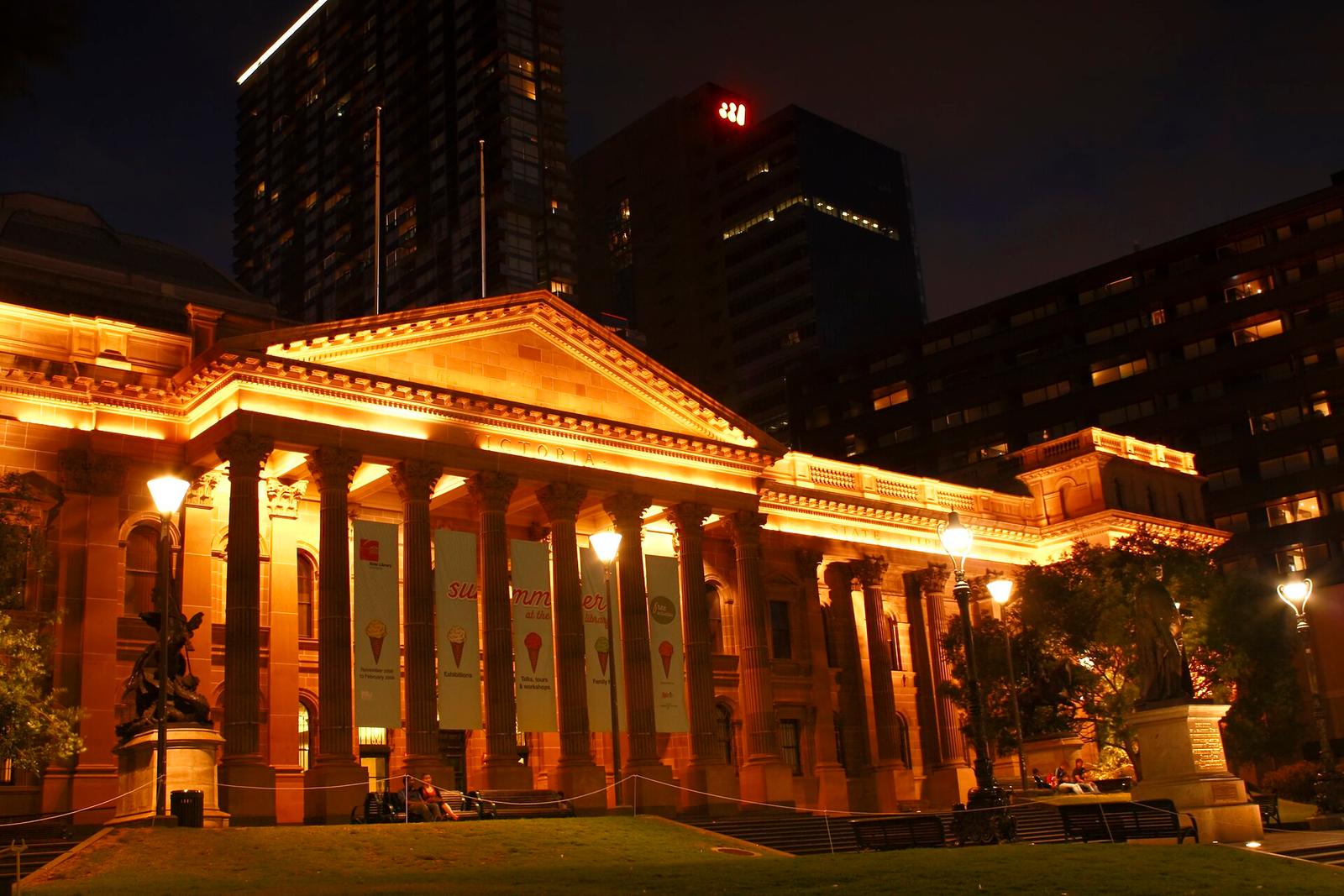
Victoria's state-funded digital archives and several Melbourne council repositories discovered this week that hundreds of catalogue entries were displaying the wrong photographs, a technical failure known as duplicate image replacement, where one image silently overwrites or substitutes for another in a database, often without triggering any alert. The scope of the problem, which affects everything from planning permit records to publicly accessible historical photograph collections, became clear after routine audits flagged mismatches between metadata tags and the images actually displayed to users.
The timing matters. Victoria's Department of Government Services has been migrating a large volume of physical and legacy digital records into centralised cloud infrastructure throughout the first half of 2026, a process that accelerated after the state government committed to a $47 million digital records modernisation program in last year's budget. Data migrations at that scale are precisely the conditions under which duplicate image replacement errors propagate, files with near-identical naming conventions get conflated, and the wrong image ends up attached to the wrong record, sometimes permanently if backups are not structured correctly.
Which Institutions Were Caught Out
The State Library of Victoria, on Swanston Street in the CBD, confirmed this week that a portion of its Pictorial Collection, one of the largest photographic archives in the Southern Hemisphere, had been affected during a recent indexing update. The library did not specify how many records were involved, but said its digital team identified the discrepancies through a scheduled integrity check and began remediation work on Monday. Access to the affected catalogue sections was restricted while the correction was underway.
The City of Melbourne's open data portal, which hosts historical planning documents and heritage imagery for precincts including Carlton, Fitzroy, and the Hoddle Grid, also reported duplicate image problems affecting a set of building permit records dating to the 1990s digitisation push. Melbourne City Council's records management team said the errors were concentrated in files converted from a now-obsolete TIFF batch format, a format that was widely used before standardised naming protocols were introduced across Victorian government agencies in 2019.
RMIT University's Design Archives, based at the Storey Hall complex on Swanston Street, flagged a related issue in its fashion and industrial design collection, where thumbnail images used in the public search interface were found to be duplicating incorrectly across multiple catalogue entries, making it impossible for researchers to distinguish between different objects. RMIT's library services team said it had raised the issue with its software vendor and expected a patch to be applied before the end of the July 11 week.
Why This Is Harder to Fix Than It Sounds
Duplicate image replacement is not a new phenomenon, but detecting it has historically required manual cross-checking or specialised validation scripts that many smaller institutions lack the resources to run regularly. Archives Victoria, the statutory body responsible for overseeing public record-keeping in the state, updated its digital asset management guidelines in March 2026 to recommend quarterly integrity audits for any institution running more than 50,000 digital objects, a threshold that covers most major Melbourne cultural organisations.
The practical consequence for the public is real. Researchers relying on online catalogue images to identify heritage buildings in suburbs like Fitzroy North or South Melbourne, or journalists and lawyers pulling planning records, may have been accessing incorrect photographs without any visible warning. For institutions with legal obligations around record accuracy, councils, courts, and licensed heritage consultants among them, the liability questions are not trivial.
For organisations managing their own digital collections, the immediate step is running a hash-based file verification check across their image libraries, a process that compares a stored digital fingerprint against the current file to detect silent substitutions. Archives Victoria's March 2026 guidance document, available on its website, includes a recommended open-source toolset for institutions without dedicated IT staff. Institutions that identify errors are advised to contact their cloud storage provider and document the scope before beginning any remediation, to preserve a clear audit trail of what went wrong and when.