news
Melbourne real estate flooded with duplicate stock photos for years
Duplicate image replacement has quietly become one of the biggest quality crises in Australian real estate advertising, and Melbourne's overheated market helped create the problem.
How we reported this
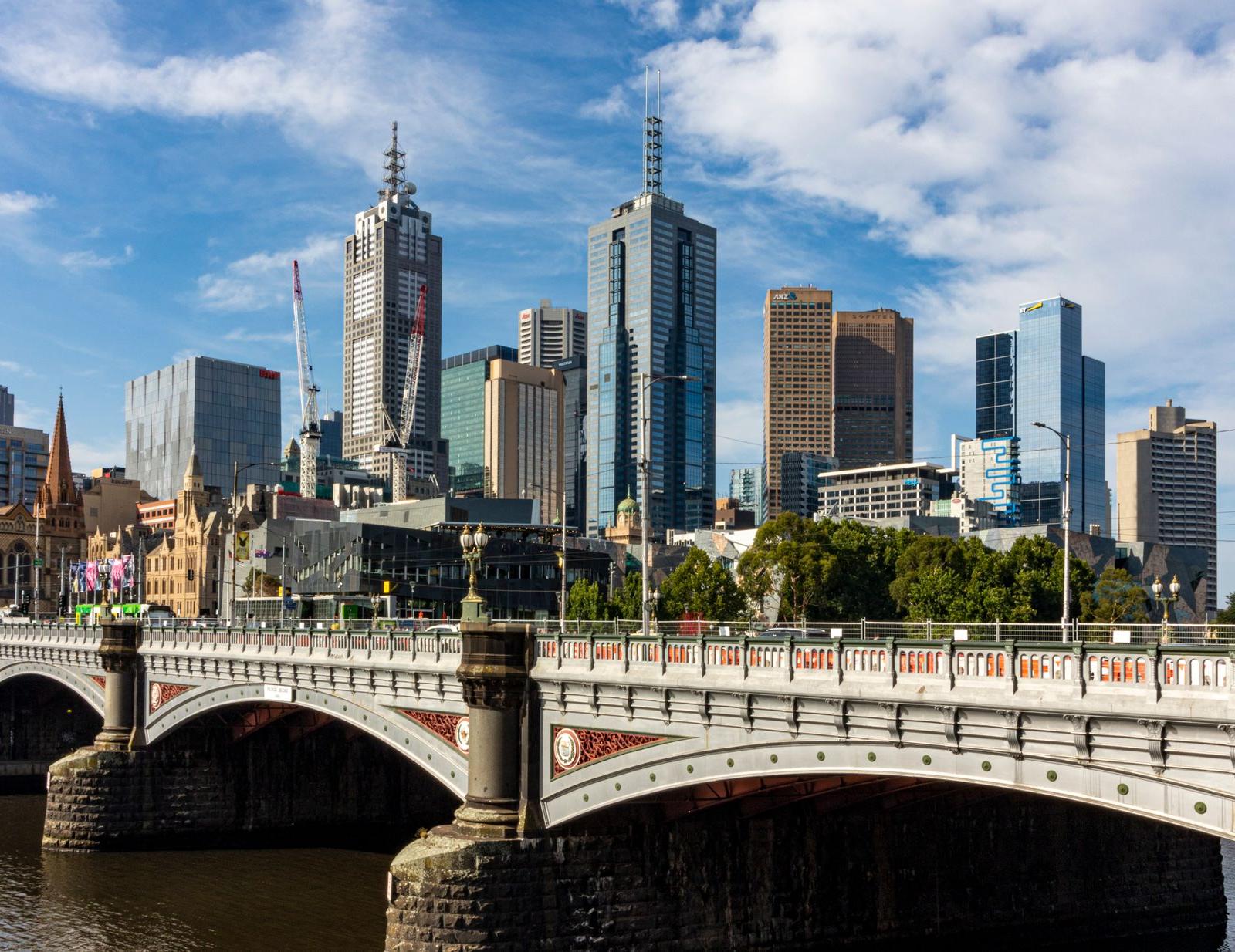
Walk through any major property listings platform today and you will still find it: the same photograph of a sunlit kitchen splashback appearing on a Brunswick terrace, a Docklands apartment, and a three-bedroom house in Cranbourne-simultaneously. Duplicate images in real estate advertising have become endemic across Victoria's property market, and the push to fix the problem has a surprisingly tangled history rooted in the suburb-by-suburb listing wars of the 2010s boom.
The issue matters now because the Victorian government's housing density reforms, introduced in stages since late 2023, have sharply increased the volume of new off-the-plan listings appearing on portals like realestate.com.au and Domain. More listings, processed faster, under commercial pressure-that combination exposed a flaw that had been building for more than a decade.
How the Stock Image Problem Took Hold
The roots go back to roughly 2012 and 2013, when Melbourne's inner-city apartment market was expanding at a pace that individual developers and their marketing agencies struggled to keep up with. Agencies managing dozens of off-the-plan projects across Southbank, Docklands, and later Box Hill began sharing image libraries internally to cut production costs. A photograph of a rendered bathroom or a computer-generated balcony view would be uploaded, tagged to a specific listing, and then-because metadata hygiene was almost never enforced-repurposed across entirely different buildings without being replaced.
By 2017, a study by the Real Estate Institute of Victoria found that a meaningful share of new apartment listings on major portals contained at least one image that also appeared on a separate, unrelated listing. The portals themselves had no automatic deduplication system in place at that point. Agents bore nominal responsibility under the Estate Agents Act 1980, but enforcement was rare and penalties for misleading imagery were rarely tested in VCAT against a specific image-duplication scenario.
Consumer Affairs Victoria received complaints about the practice through its general misleading advertising stream, but real estate imagery sat in a grey zone. Unlike a false price claim, a duplicated image was harder to prosecute because developers would argue the photo was representational-an impression of a finish, not a guarantee of a specific view or fitout.
The Pressure That Finally Forced Change
Two things shifted the conversation. First, the collapse of several high-profile Docklands apartment projects between 2019 and 2022 left buyers comparing contract documentation against marketing material and finding images that bore no relation to delivered product. Class actions lodged in the Supreme Court of Victoria drew attention to how systematically misleading the imagery chain had become-from developer to agency to portal.
Second, the REIV updated its professional conduct guidelines in March 2024 to explicitly require agents to confirm image accuracy at the point of listing and again before auction or settlement. The updated guidelines, which applied to REIV members across metropolitan Melbourne including the high-volume markets of Glen Waverley, Preston, and Werribee, specified that any image used in a listing must depict either the actual property or a comparable completed property within the same development.
The major portals followed with their own internal review triggers. Realestate.com.au introduced a duplicate-image flagging tool rolled out progressively from October 2024. Domain began a parallel audit of listings in Victoria using perceptual hashing-a technique that identifies visually identical or near-identical images even when file names and metadata have been changed. Neither system is perfect. Agents and developers can still sidestep detection by cropping or colour-correcting a stock image before upload.
For buyers, the practical advice is straightforward. Request the specific image source from the agent before signing anything. If an agent cannot confirm that a photograph depicts either the actual property or a finished unit within the same building and stage, treat the image as illustrative only and price your expectations accordingly. Buyers at open inspections along Sydney Road in Brunswick or in new build corridors around Footscray Road in West Melbourne should photograph every room themselves during any inspection and compare those shots against the listing materials line by line. The portals' flagging tools are improving, but the responsibility for catching a mismatch still sits largely with the buyer-at least until Victoria's consumer protection framework catches up with the pace of the listings market.