wellness
Melbourne Residents Build Lasting Fitness Habits Through Neighborhood Walking Groups
Forget the gym membership, Melbourne's streets, parks and river trails are all you need to build a fitness habit that actually sticks.
How we reported this
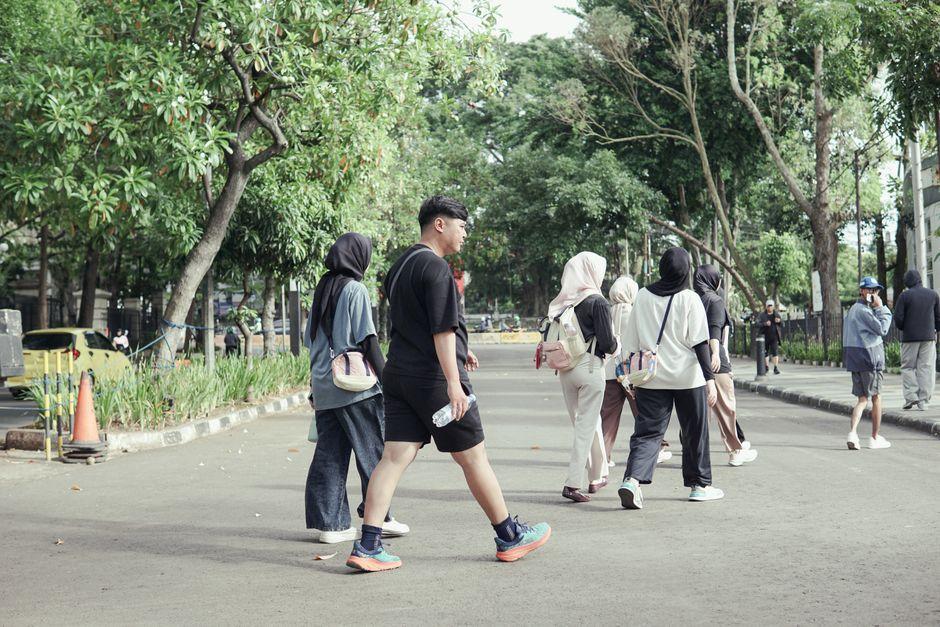
Community walking groups are quietly booming across Melbourne's inner suburbs, and health researchers say the timing could not be more pointed. With winter sitting heavy on the city and daylight finishing before most people leave the office, the barrier to solo exercise has rarely felt higher. The answer, for a growing number of Melburnians, is accountability, and a group of neighbours willing to meet at 7am regardless.
The impulse makes sense on multiple levels. Exercise physiology researchers at the University of Melbourne have consistently found that social exercise improves adherence rates by roughly 40 per cent compared with going it alone. Group walkers are also more likely to maintain a habit past the six-week mark, which is where most solo exercise routines quietly dissolve. And walking, unlike a $35-per-class reformer Pilates session in Fitzroy, costs precisely nothing.
Finding Your Route Before You Find Your Group
The first practical step is deceptively simple: pick a route before you recruit a single person. Melbourne's infrastructure makes this easier than most cities. The Tan Track, the 3.8-kilometre loop around Kings Domain and the Royal Botanic Gardens, is the obvious flagship, it is flat, well-lit, and busy enough at dawn that solo walkers already feel safe. Further north, the Yarra River running trail between Abbotsford Convent and Dights Falls gives you about four kilometres of sealed path along the water, with the added benefit of passing the Collingwood Children's Farm entry gates around the halfway point. Both routes are dog-friendly, which immediately doubles your potential membership base.
For those in the outer northern or western suburbs, Parks Victoria maintains more than 500 kilometres of metropolitan trails, most of them mapped on its free ParkStay app. A local loop through a neighbourhood reserve is just as valid, the Merri Creek Trail, running through Northcote and Brunswick East, has seen a cluster of informal weekday groups form around it over the past two years, with walkers coordinating through local Facebook groups and the Neighbours app.
Making It Official (Without Making It Complicated)
Structure kills more community groups than apathy does. Keep the administrative overhead minimal. A WhatsApp or Signal group, a fixed meeting point, the rotunda at Edinburgh Gardens in Fitzroy North works well, and a standing 7am Saturday start time are sufficient. You do not need a committee, a constitution or a waiver form.
That said, registering with Walk Victoria, the peak body that supports community walking programs across the state, gives your group access to free route planning resources and occasional group liability cover for organised events. Registration is free and takes about 20 minutes online. Walk Victoria's network currently lists more than 200 affiliated groups across Greater Melbourne, from Sunbury to Frankston, the gaps are mostly in the middle-ring suburbs, which is exactly where demand is highest.
Promotion is straightforward. A single A4 flyer on the noticeboard inside your local library, the Fitzroy Library on Moor Street and the Northcote Library on High Street both have active community boards, will typically generate three to eight enquiries within a fortnight. Local cafés along your route are also worth approaching: many will offer a 10 per cent discount to groups that finish their walk at the counter, which gives members a concrete reward and the café a regular Saturday crowd.
Set expectations early and be specific about pace. 'Easy walking' means different things to a 34-year-old former runner managing a knee injury and a 68-year-old who has not exercised since before COVID. Aim for a 20-minute kilometre, roughly 3km/h, as a default starting pace. That is slow enough for genuine beginners and fast enough to produce a light sweat in cool weather.
Start with a trial date. Post it, show up, walk the route whether two people come or twelve. Groups that begin with a single, low-stakes event almost always return the following week. Groups that spend three weeks planning and promoting before their first step rarely do. The hardest part is standing at the meeting point at 6:58am on a cold July morning. Everything else follows from that.
If you have existing health concerns, consult your GP or a Melbourne-based exercise physiologist before beginning a new fitness program.