Best Universities Melbourne: Local Guide 2026
Discover the best universities Melbourne has to offer. Our practical guide covers top institutions, campus locations, student events and insider tips.
5 min read
Discover the best universities Melbourne has to offer. Our practical guide covers top institutions, campus locations, student events and insider tips.
5 min read
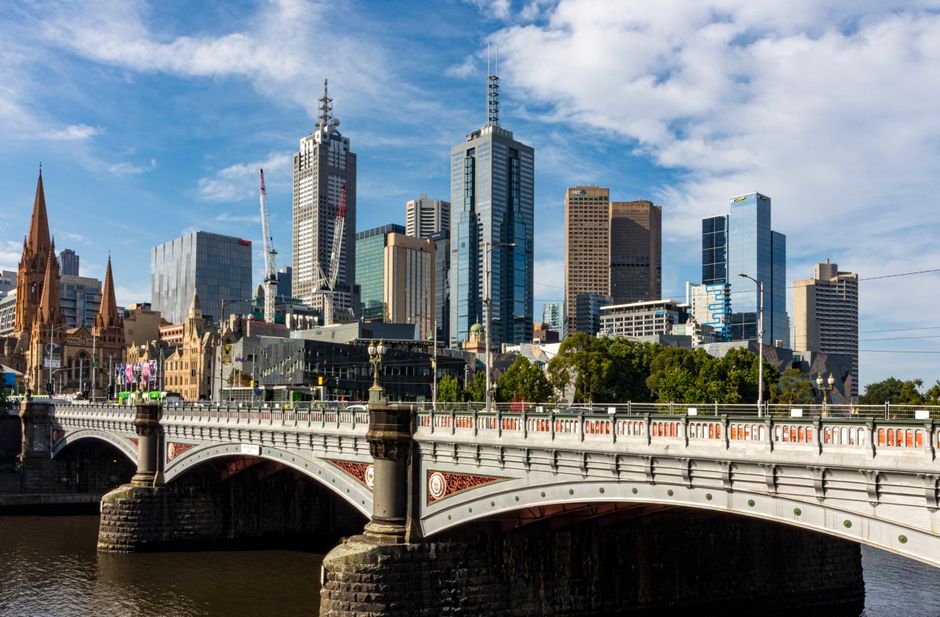
Melbourne is home to some of Australia's most prestigious institutions, making it essential to understand which are the best universities Melbourne offers. Whether you're a prospective student, parent, or education enthusiast, this practical guide covers the city's top universities, their specific locations, campus experiences, and what makes each institution unique in the Victorian context.
The University of Melbourne dominates the academic landscape, with its iconic Parkville campus stretching across 122 hectares. Located just 3km north of the CBD, this institution attracts over 50,000 students globally. The campus features the historic Gothic Revival architecture of the Quadrangle alongside modern research facilities. You can visit the campus year-round, with self-guided walks available or official campus tours running daily at 2:15 PM from the visitor centre on Grattan Street.
RMIT University spans multiple CBD locations, with the primary Brunswick Street campus featuring state-of-the-art design and engineering facilities. Unlike traditional university spreads, RMIT's integrated city presence means students live and study within Melbourne's vibrant inner-city neighbourhoods. The design precinct near Fitzroy is particularly impressive for creative disciplines.
Monash University's Clayton campus operates as a complete university town 25km south-east, offering a suburban alternative with extensive sports facilities and on-campus accommodation. The Caulfield campus provides a smaller, more intimate setting just 10km south-east for specific programs.
Winter (June-August) marks the most vibrant season for campus events. Melbourne's universities host open days typically in August, essential for prospective students. The University of Melbourne's Open Day (usually first Saturday in August) draws thousands, showcasing all faculties with guided tours, faculty demonstrations, and accommodation information. RMIT's parallel events occur simultaneously across multiple sites.
Spring (September-November) brings graduation ceremonies, college festivals, and major sporting events. The Melbourne Universities Cup (cricket) runs through November, featuring fierce rivalries between institutions at the Junction Oval. Orientation Week in February is another crucial period when students experience campus culture through O-Week activities, club fairs, and social events.
Winter also hosts the Melbourne Winter Music Festival (June-July), with numerous university music venues hosting free performances. The University of Melbourne's Melba Hall and RMIT's various performance spaces feature student orchestras and ensembles.
Most Melbourne universities welcome family visitors with dedicated support. The University of Melbourne's Baillieu Library offers public access to exhibitions and events, while the Ian Potter Centre: NGV Australia (located on campus) provides free entry to its collection. The surrounding Parkville area includes the Royal Park playground and Melbourne Zoo, making it an excellent half-day excursion.
Monash University's Clayton campus operates the Monash Science Centre with interactive displays suitable for families, though it's primarily for pre-booked school groups. However, the campus's extensive gardens, lakes, and sports facilities remain accessible to the public during operating hours.
RMIT's City campus offers proximity to the State Library, NGV, and cultural institutions. The Textile and Fashion Centre near Fitzroy allows family exploration of design disciplines. All three major universities provide accessible facilities, with parents able to grab coffee or meals in campus cafés while visiting.
The University of Melbourne ranks consistently in global top 40 universities, with particular strength in medicine, engineering, and law. The Walter and Eliza Hall Institute, adjacent to campus, represents Australia's leading medical research facility. Prospective science and medicine students should explore the Melbourne Biomedical Precinct.
RMIT excels in design, engineering, and technology disciplines. Its Innovation Hub and Maker Space are accessible during public events, showcasing real-world project outcomes. The institution's industry connections mean students engage with practical applications immediately.
La Trobe University, though outside central Melbourne, operates the Bundoora campus with unique strengths in health sciences and veterinary medicine. The La Trobe Wildlife Sanctuary on-campus provides additional community value, open to families during school holidays.
Visit university libraries during semester breaks (late November-early February) for quieter exploration. The University of Melbourne's Baillieu and Fisher Libraries are architectural treasures worth experiencing beyond student rush periods.
Use the free Melbourne Visitor Hub (corner of Swanston and Flinders streets) to collect detailed campus maps and upcoming event schedules. Staff can provide current information about university public events unavailable online.
Explore university precincts by neighbourhood context. Carlton surrounds the University of Melbourne with student-friendly cafés and bookshops. Brunswick hosts RMIT culture with vintage shops and independent venues. Each location offers distinct character reflecting student demographics.
Check individual university websites for free public lecture series. The University of Melbourne's public lectures in the Ian Potter Centre are typically free and intellectually stimulating, covering topics from climate science to philosophy.
June remains ideal for campus exploration with moderate weather (average 14°C) and minimal disruption from semester activities. However, July offers more campus events and activities during mid-semester. Avoid January-early February when universities are largely closed for summer break and many facilities shut down.
Spring (September-November) provides the most energetic campus atmosphere with student engagement at maximum. However, anticipate larger crowds during open days and graduation season congestion around late October.
Stay informed about Melbourne's best universities by checking The Daily Melbourne for regular updates on university events, campus developments, and student experiences across the city's institutions.
This article was compiled by AI and screened before publishing. See our editorial standards.
Partner Content
SponsoredPartner Content lets Melbourne businesses reach engaged local readers with a clearly labelled, editorial-style feature. Every placement is marked Sponsored, in line with our sponsored content policy.
Business details including hours, menus and offerings may change. Verify directly with the venue before visiting.
About this article
Published by The Daily Melbourne
Daily brief
Free, in your inbox before 7am. Weekdays.
You might also like
Free daily briefing