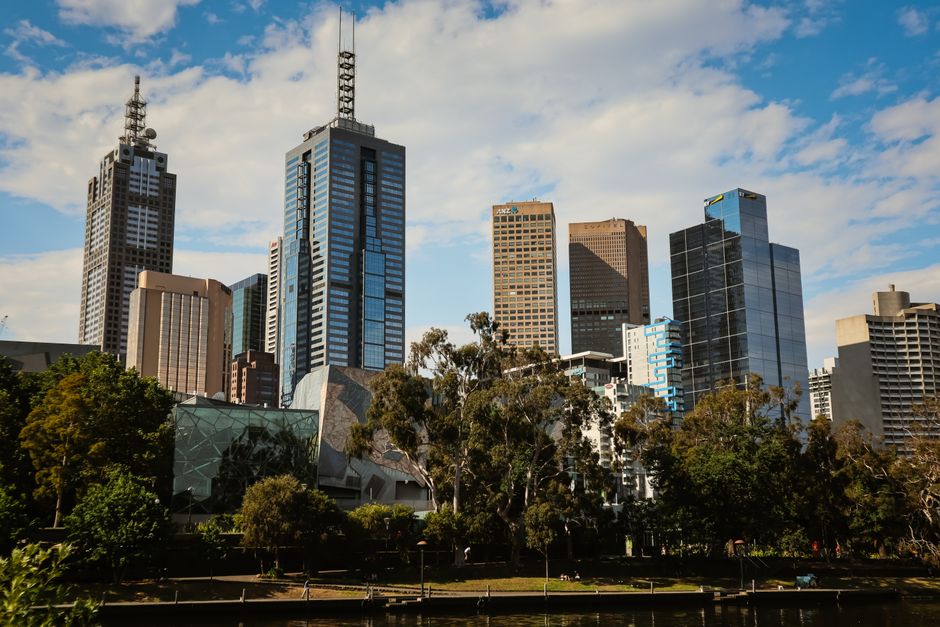
The tentative ceasefire between the US and Iran might seem like distant international news, but for businesses operating along Collins Street and across Melbourne's CBD, the ripple effects are immediate and material.
Logistics firms managing containerised freight through the Port of Melbourne are already grappling with elevated insurance costs as shipping routes through contested waters remain precarious. One South Melbourne import-export operator reported that premiums for vessels transiting the Strait of Hormuz have spiked 18 per cent since tensions escalated in recent weeks — a cost that inevitably flows into the price of goods sitting on shelves in Fitzroy and Southbank.
This is the new normal for Australian businesses: geopolitical shocks translate into operational headaches within days, not months. Manufacturing businesses in the western suburbs that depend on Asian supply chains are already adjusting inventory strategies. Restaurant owners across Lygon Street and Brunswick are quietly absorbing higher seafood and specialty ingredient costs as import logistics become unpredictable.
The cumulative pressure is compounding an already fragile consumer environment. Melbourne's cost of living has tightened considerably — a modest two-bedroom apartment in inner suburbs now routinely exceeds $650,000, mortgage payments remain elevated, and households are rationing discretionary spending. When business costs rise due to global uncertainty, retailers and hospitality venues face an uncomfortable equation: absorb losses or pass them to customers already stretched thin.
Commercial property managers in Docklands and the Southbank precinct report that tenancy negotiations have become more cautious. Businesses are demanding shorter lease terms and more flexible exit clauses as economic visibility contracts. One prominent business lobby group noted that member confidence surveys have dipped noticeably in the past fortnight alone.
The broader issue is predictability. Melbourne's economy thrives on stable, calculable operating environments. When geopolitical tensions spike, shipping costs fluctuate, and insurance markets tighten, even well-managed businesses face unexpected cash flow pressures. Technology companies clustering in Cremorne and Fitzroy have begun stress-testing their supply chains; manufacturing operations are exploring domestic alternatives, albeit at higher cost.
The question now is whether this becomes a temporary shock or a structural shift. If Middle East tensions persist, or if other geopolitical flashpoints intensify, Melbourne's business community will face sustained pressure on margins, employment, and investment appetite. The global context isn't abstract economics — it's the difference between a business meeting payroll comfortably or cutting staff.
This article was compiled by AI from the sources linked above and screened before publishing. See our editorial standards.