How Global Chaos Is Reshaping the Bottom Line for Melbourne's Small Business Owners
Geopolitical tensions, currency swings and supply chain fractures are forcing local entrepreneurs to rethink everything from sourcing to pricing.
3 min read
Geopolitical tensions, currency swings and supply chain fractures are forcing local entrepreneurs to rethink everything from sourcing to pricing.
3 min read
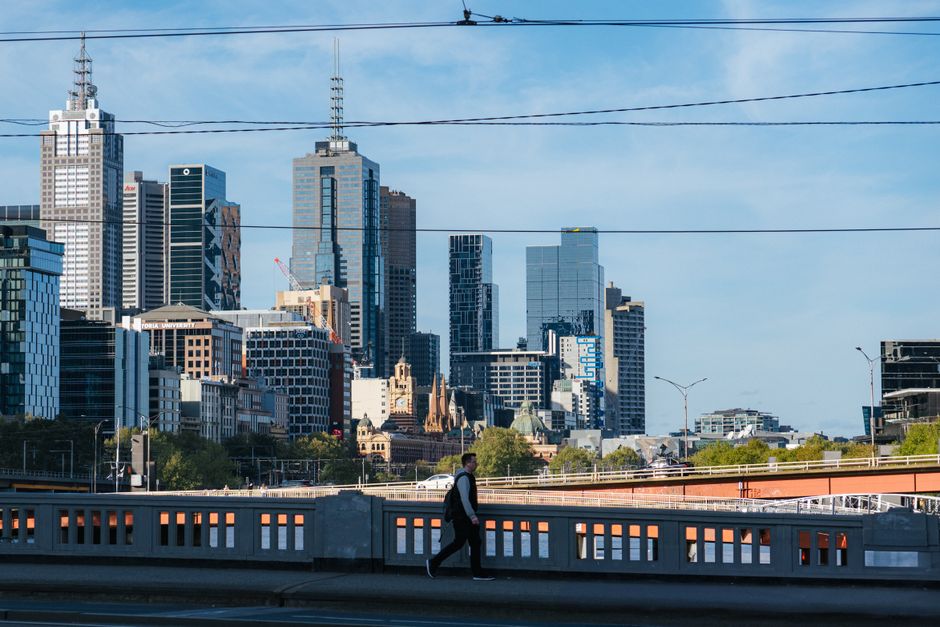
When Priya Kapoor opened her homewares boutique on Gertrude Street in Fitzroy three years ago, she had one supplier network mapped out. Today, she has five backup options scattered across three continents—a costly insurance policy born from watching global instability upend inventory.
"The Middle East tensions earlier this year meant shipping costs spiked 40 per cent overnight," Kapoor explains. "A cushion cover that cost me $12 landed at $17. That margin just vanishes."
Kapoor's experience reflects a new reality for Melbourne's estimated 450,000 small business operators: geopolitical friction and macroeconomic volatility are no longer distant concerns. They're operational headaches with immediate cost implications.
The Australian Bureau of Statistics showed business sentiment in Victoria weakened in the June quarter, with 38 per cent of small operators citing international uncertainty as a primary concern. Currency fluctuations alone have created a pricing minefield. The Australian dollar has swung 8 per cent against the US dollar in the past twelve months, directly impacting any business importing goods or services.
For Jake Morrison, who runs a digital marketing agency from Cremorne, the challenge is talent acquisition. "Three of our senior developers were on skilled migration visas. Recent geopolitical shifts made visa processing slower and less predictable," he says. "We've had to accelerate local recruitment and training costs have jumped 25 per cent."
The ripple effects extend to confidence. Consumer spending across the CBD and inner suburbs has tightened as households worry about global instability trickling into local employment and investment. Foot traffic through South Yarra and Chapel Street retail precincts remains 12–15 per cent below 2023 levels, according to retail analytics firms tracking Australian shopping districts.
Yet some entrepreneurs are adapting. A handful of Docklands-based manufacturers are reshoring components previously sourced from geopolitically sensitive regions, betting that local production—despite higher wages—offers supply-chain resilience worth the premium.
The broader lesson for Melbourne's business community is clear: insularity is no longer an option. Whether you're selling coffee on Smith Street or managing logistics from an office tower in the Financial District, the global order matters intensely to your bottom line.
For small operators, survival increasingly means building redundancy into every system: multiple suppliers, diversified revenue streams, and hedging strategies once reserved for multinational corporations. The cost of adaptation is real, but the cost of ignoring global context has become far steeper.
This article was compiled by AI from the sources linked above and screened before publishing. See our editorial standards.
About this article
Published by The Daily Melbourne
Daily brief
Free, in your inbox before 7am. Weekdays.
You might also like
Business
Business
Business
Business
Free daily briefing