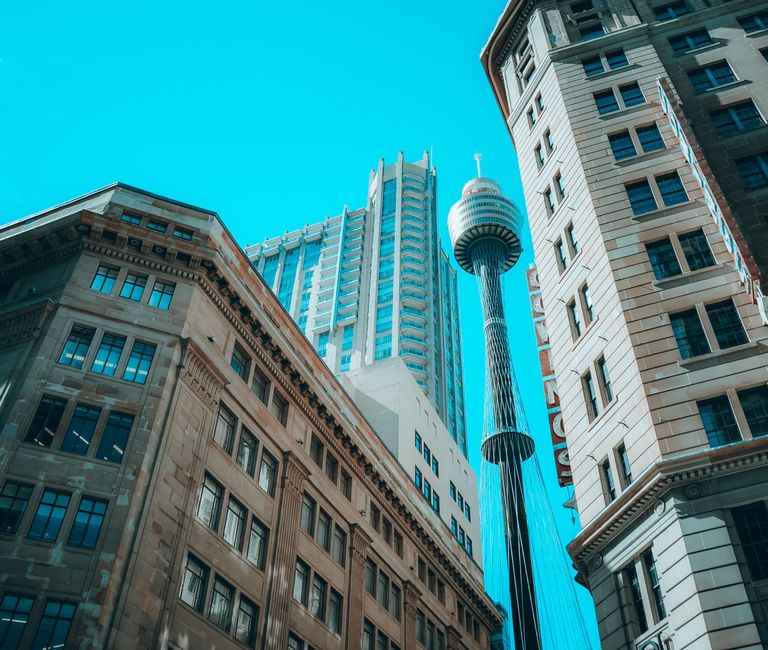
Melbourne's visitor economy is roaring back. Tourism Victoria data shows international arrivals have climbed to near pre-pandemic levels, while domestic visitors are spending more freely than ever. But what does this mean for the people who actually live here?
The numbers tell a significant story. Accommodation providers across the CBD and inner suburbs report occupancy rates exceeding 85% on weekends, driving nightly rates on Lonsdale Street and around Federation Square to unprecedented levels. Meanwhile, casual dining on Brunswick Street in Fitzroy and along Acland Street in St Kilda has shifted noticeably upmarket. Café owners report international tourists are driving demand for premium offerings, prompting price adjustments that longtime residents are noticing in their morning coffee bills.
Public transport strain is real and measurable. Tram congestion on routes 1 and 16, which service the CBD and key cultural precincts, peaks sharply during peak tourist hours. The Department of Transport estimates visitor-related journeys account for roughly 12-15% of CBD tram traffic during peak periods—enough to create noticeable delays for commuters.
But there's an upside worth understanding. The hospitality workforce in inner Melbourne has grown by approximately 8% year-on-year, with hospitality worker rates among the higher-paid service roles in the city. The economic ripple effect extends to local suppliers, from Prahran Market vendors to independent retailers on Chapel Street who report stronger foot traffic than during the pandemic.
Property investors and renters should take note: tourism intensity is reshaping neighbourhood character. Suburbs with high visitor concentrations—South Yarra, Southbank, Carlton—have seen rental yields improve but also rising short-term rental conversion rates, reducing long-term housing stock. The City of Melbourne's planning department has begun consultation on short-term rental regulations, a direct response to resident concerns.
Parking availability near major attractions like the Arts Centre and Queen Victoria Market has become genuinely scarce, particularly weekends. Residents planning to visit these areas themselves increasingly use public transport or accept longer search times.
Understanding these shifts matters because the tourism economy isn't separate from daily Melbourne life—it's woven into it. The question facing residents isn't whether tourism is good or bad, but rather how the city manages growth fairly. Staying informed about planning changes, transport upgrades, and neighbourhood shifts helps residents advocate for a visitor economy that works for everyone.
This article was compiled by AI from the sources linked above and screened before publishing. See our editorial standards.
About this article
Published by The Daily Melbourne
This article was produced by the The Daily Melbourne editorial desk and covers business in Melbourne. See our editorial standards for how we use AI.
See something wrong? Suggest a correction.
Daily brief
Enjoyed this? Wake up to Melbourne news every morning.
Free, in your inbox before 7am. Weekdays.