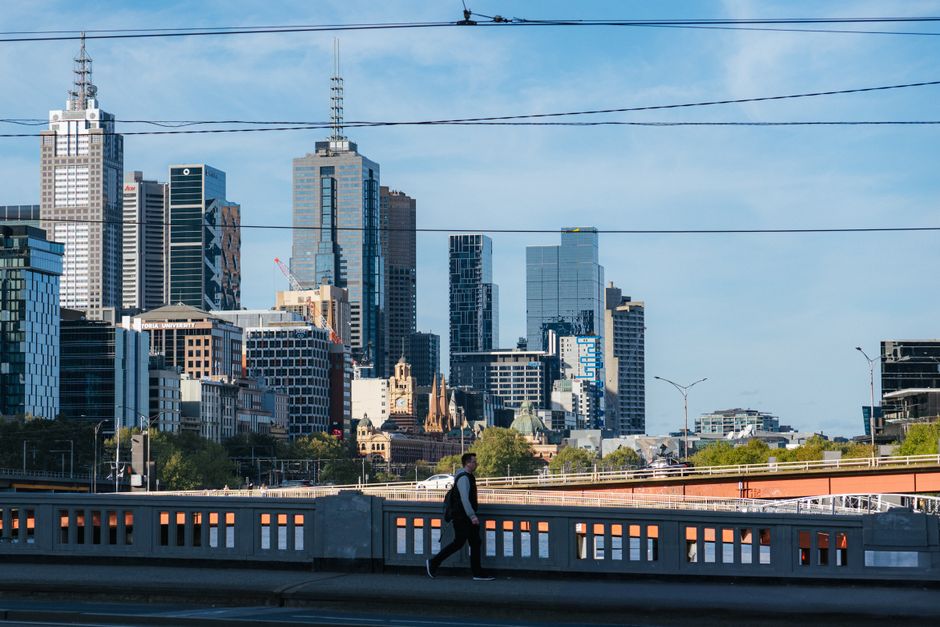
After three years of sustained economic headwinds, Melbourne's retail hospitality sector is experiencing a tangible shift. With inflation moderating and mortgage stress easing for many households, operators who've been nimble enough to adapt are now harvesting the benefits of a consumer base eager to return to dining out and entertainment spending.
The opportunity is most visible along Lygon Street in Carlton and along the Chapel Street corridor in South Yarra, where venue operators report improved foot traffic and average spend per customer ticking upward for the first time since late 2023. Industry data from the Australian Retailers Association suggests discretionary spending in hospitality venues across metropolitan Melbourne has grown 4.2 per cent year-on-year, with June figures showing particular strength.
Those capturing this shift most effectively are venues that diversified during the downturn. Operators who introduced late-night food offerings, expanded outdoor seating, or repositioned as hybrid work-friendly spaces with quality coffee programs have seen stronger returns. Several established venues on Little Collins Street and in the Fitzroy precinct have successfully layered premium beverage programs and ticketed dining experiences, commanding price points 15–20 per cent higher than pre-pandemic benchmarks while maintaining strong customer loyalty.
The hospitality workforce shortage, which peaked in 2024, is also beginning to ease. Recruitment agencies report reduced competition for trained chefs and front-of-house staff, allowing established operators to rebuild quality and consistency. This has particular advantage for venues in Southbank and around the Queen Victoria Market precinct, where seasonal tourism is recovering strongly alongside local spend.
Not all operators are benefiting equally, however. Larger chains with deep pockets have used the difficult period to consolidate real estate, acquiring prime locations on Swanston Street and around the Arts Precinct at lower rates. Smaller independents, particularly in secondary retail strips, continue to face margin pressures from rent and wage growth outpacing revenue recovery.
The emerging winners are those with financial resilience who moved quickly: venues that secured flexible lease terms during 2024–25, those who invested in staff retention, and operators who understood their customers' changed preferences—less casual dining, more experience-driven spending.
As Melbourne heads into spring, industry analysts expect sustained momentum, though operators caution that the window to consolidate gains is narrow. Rising commercial property valuations and anticipated wage increases in the new financial year will test whether this recovery can be sustained or proves merely a temporary reprieve.
This article was compiled by AI from the sources linked above and screened before publishing. See our editorial standards.