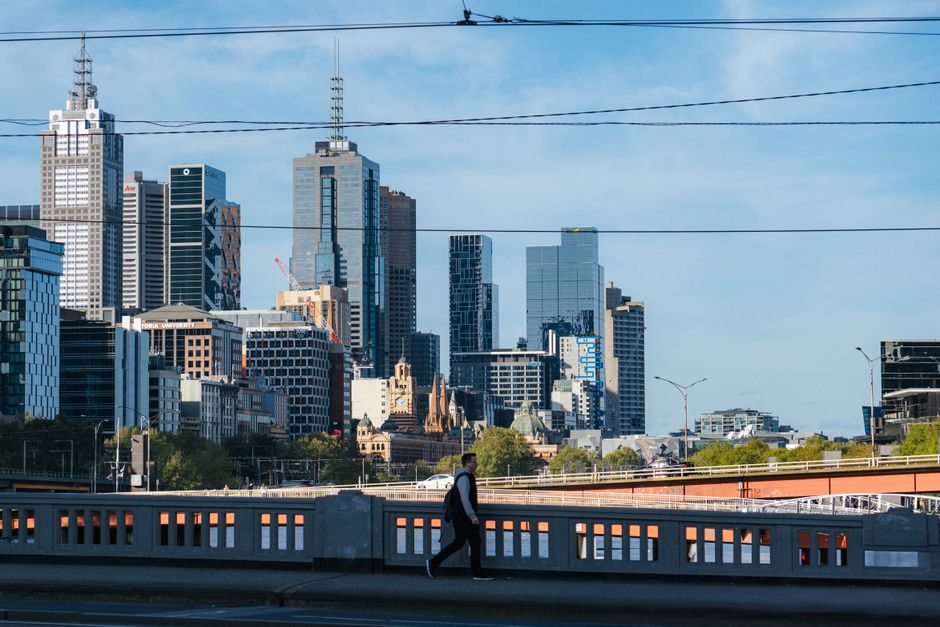
Melbourne's commercial property market is undergoing a quiet but significant realignment, and those positioned to read the shift are already reaping rewards.
The story is familiar: CBD vacancy rates have climbed to levels unseen in decades, with Collins Street and the surrounding core struggling against persistent oversupply. Yet outside the traditional office towers, a different picture is emerging. Inner-ring suburbs—particularly Fitzroy, Brunswick, Collingwood, and South Yarra—are experiencing unexpected commercial renaissance as businesses and landlords adapt to hybrid working reality.
Data from commercial real estate analysts indicates that flexible workspace operators and adaptive conversion specialists are capturing the lion's share of new leasing activity. Unlike the megastructures of the CBD, these nimble players are converting heritage warehouses, smaller office buildings, and mixed-use spaces into agile work environments. A converted textile factory on Brunswick Street now houses six separate creative agencies and a shared facilities operation. Similar patterns are emerging around Bridge Road in Collingwood and Chapel Street in South Yarra.
What's driving the shift? Businesses increasingly favour multiple smaller spaces over sprawling CBD footprints. A design studio needs three days in the office; a technology team wants flexibility. Landlords of secondary-market stock—properties that struggled to compete against trophy addresses—suddenly hold assets aligned with actual market demand.
The winners are apparent. Adaptive reuse specialists and boutique workspace operators report strong occupancy rates and expanding portfolios. Property owners who've invested in modest upgrades to their inner-suburban assets—improved internet infrastructure, refurbished common areas, flexible lease terms—are commanding rents they couldn't have imagined two years ago.
Institutional investors are taking notice. The premium placed on workforce amenities in these precincts—proximity to Gertrude Street's galleries and cafes, the walkability of Fitzroy and Brunswick—suggests a lasting structural shift rather than temporary volatility. Younger firms especially gravitates toward these neighbourhoods, where the office costs less and the working environment feels less corporate.
The CBD isn't collapsing, but the geography of Melbourne's commercial market is rewriting itself. Landlords still holding premium CBD properties face extended vacancy and pressure to reduce asking rates. Those who've already repositioned—or who own the right secondary-market stock—are benefiting from a market correction that favours flexibility, community, and realistic space allocation.
For investors and business owners, the lesson is stark: the Melbourne office market opportunity in 2026 belongs to those who've abandoned one-size-fits-all thinking and embraced the distributed future of work.
This article was compiled by AI from the sources linked above and screened before publishing. See our editorial standards.