Melbourne's Job Market Signals Mixed Recovery: What the Economic Indicators Really Tell Us
As investment flows shift and unemployment edges higher, business leaders across the CBD are reassessing hiring plans for the second half of 2026.
3 min read
As investment flows shift and unemployment edges higher, business leaders across the CBD are reassessing hiring plans for the second half of 2026.
3 min read
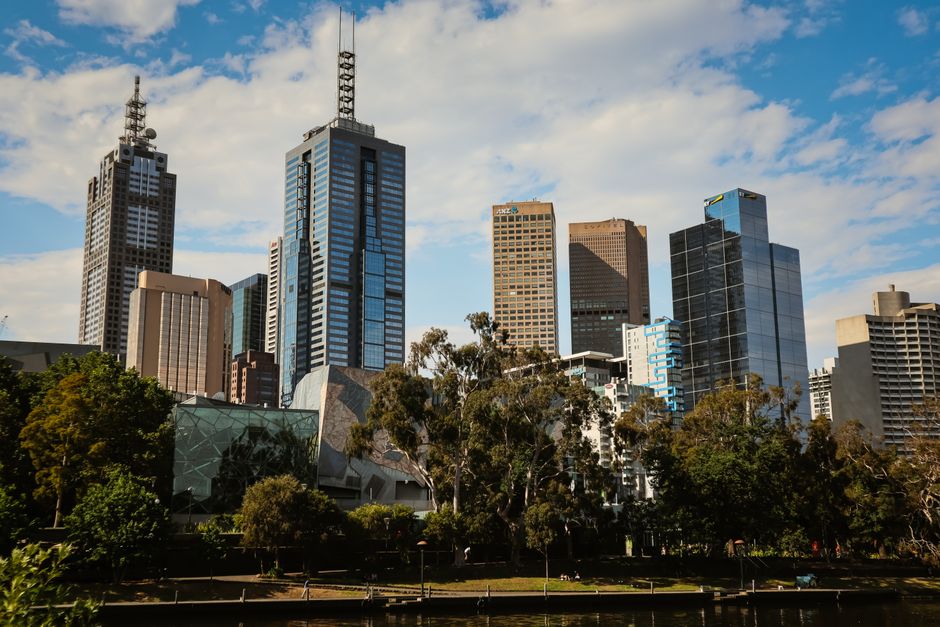
Melbourne's employment landscape is sending contradictory signals. While investment activity around the Southbank precinct and along St Kilda Road remains robust, recent economic indicators suggest the local job market is cooling faster than anticipated—a pattern that should concern anyone tracking Australia's economic health.
The latest labour force data shows Melbourne's unemployment rate hovering near 4.2 per cent, up from 3.8 per cent a year ago. For a city that has prided itself on steady employment growth, this shift matters. The CBD's major office precincts—from Collins Street to the emerging tech hubs in Carlton—are seeing cautious hiring rather than aggressive expansion.
"Investment flows tell a clearer story than headlines," explains the narrative around venture capital and commercial property. Over the past six months, VC funding into Melbourne-based startups has declined by approximately 23 per cent compared to the same period last year, according to market observers tracking Docklands and Cremorne innovation clusters. Meanwhile, commercial office vacancy rates in the CBD have crept above 12 per cent—the highest in nearly a decade—suggesting companies are consolidating rather than growing their footprints.
Property investment data reveals where confidence actually lies. Residential development applications in inner suburbs like Fitzroy and Brunswick remain steady, but commercial development approvals have slowed noticeably. This divergence suggests investors are hedging their bets on office-based employment growth while banking on population-driven demand in residential precincts.
The construction sector, historically a bellwether for local economic health, is similarly mixed. Major projects around Parkville and along the Eastern Freeway corridor continue, but the pipeline of new commercial commissions has thinned. Average construction wages have plateaued at around $88,000 annually, a sign that demand for labour isn't pushing compensation higher.
What's driving these trends? Several factors intersect: persistent interest rate expectations, slower consumer spending across retail precincts from Bourke Street to Chapel Street, and corporate cost-cutting after two years of aggressive hiring. Inflation remains sticky, pressuring business margins and hiring decisions.
For jobseekers and investors, the message is nuanced. Melbourne isn't facing crisis—unemployment remains manageable and the city's economic fundamentals stay solid. But the easy growth period appears to be concluding. Companies reviewing their headcount strategies should expect more rigorous hiring criteria, while candidates should prepare for a moderately tighter labour market through late 2026. Investment flows, meanwhile, continue repositioning toward sectors perceived as resilient: healthcare, education infrastructure, and selective technology niches.
This article was compiled by AI from the sources linked above and screened before publishing. See our editorial standards.
About this article
Published by The Daily Melbourne
Daily brief
Free, in your inbox before 7am. Weekdays.
You might also like
Business
Business
Business
Business
Free daily briefing