How Global Instability Is Reshaping Melbourne's Startup Playbook
As geopolitical tensions ripple across tech investment and talent flows, local founders are adapting their growth strategies to a fundamentally changed world.
2 min read
As geopolitical tensions ripple across tech investment and talent flows, local founders are adapting their growth strategies to a fundamentally changed world.
2 min read
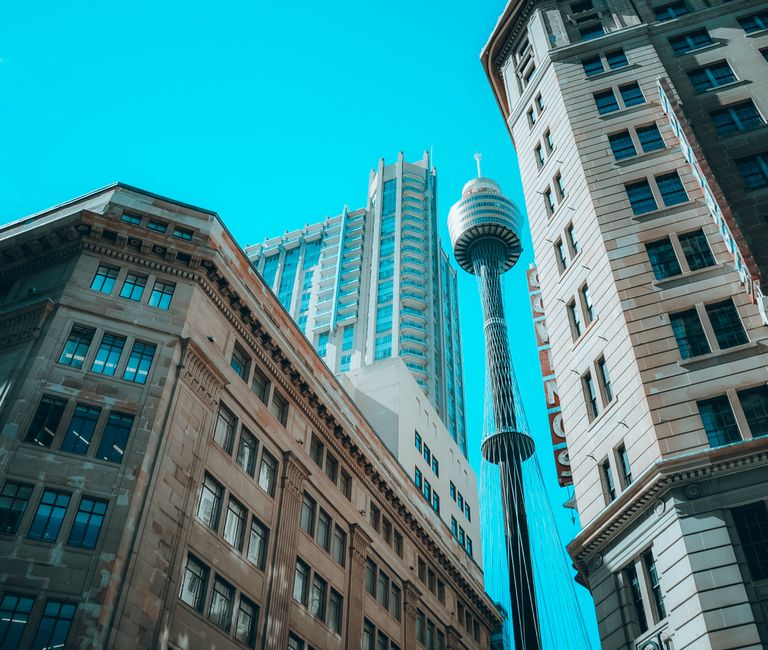
Melbourne's startup ecosystem has always thrived on its ability to punch above its weight on the global stage. But the currents shifting beneath international markets are forcing entrepreneurs in Cremorne, Fitzroy, and across the CBD to fundamentally rethink their playbooks.
The past eighteen months have seen seismic shifts in global investment patterns. Venture capital flows, traditionally anchored by American and European firms, are becoming increasingly fragmented as geopolitical tensions reshape where money moves and how it moves. For Melbourne founders raising Series A rounds, this translates directly into harder conversations with investors spooked by broader economic uncertainty.
"The venture landscape is pricing in risk differently now," explains the ecosystem that has attracted companies like Seek, Atlassian, and Canva. Recent data from local venture advisory firms suggests Australian startups are experiencing longer fundraising cycles—stretching from an average of 5-6 months to 8-10 months as international investors recalibrate their exposure.
The ripple effects extend beyond capital. Tech talent pipelines, historically fed by international recruitment, are tightening. Several Southbank tech companies have reported increased difficulty attracting senior engineers from the US and Europe, as visa uncertainty and economic volatility make relocation decisions more fraught. Simultaneously, the cost of offshore development partnerships—often based in geopolitically sensitive regions—has become more volatile and harder to predict.
What's emerging from Cremorne to Collingwood is a recalibration toward localism. Melbourne's growing talent base is being mobilised differently. Companies are investing more heavily in developing Australian engineering capability rather than outsourcing or relying on foreign talent. Office spaces along Flinders Lane and in the Bay Street precinct are seeing renewed interest from founders optimising for local-first teams.
The timing creates both constraint and opportunity. Global uncertainty typically drives two responses: defensive retrenchment or strategic repositioning. Melbourne's more resilient startups—those in infrastructure, security, and supply-chain technology—are finding tailwinds as organisations worldwide prioritise stability over growth velocity.
For the broader ecosystem clustered around Southbank's innovation precincts and the emerging startup hubs in Abbotsford, the message is clear: Melbourne's value proposition is shifting. It's no longer primarily about cheaper labour or tax breaks. It's increasingly about being a stable, skilled node in a more fragmented global network.
The startups thriving over the next two years will be those that understood this pivot earliest.
This article was compiled by AI from the sources linked above and screened before publishing. See our editorial standards.
About this article
Published by The Daily Melbourne
Daily brief
Free, in your inbox before 7am. Weekdays.
You might also like
Business
Business
Business
Business
Free daily briefing