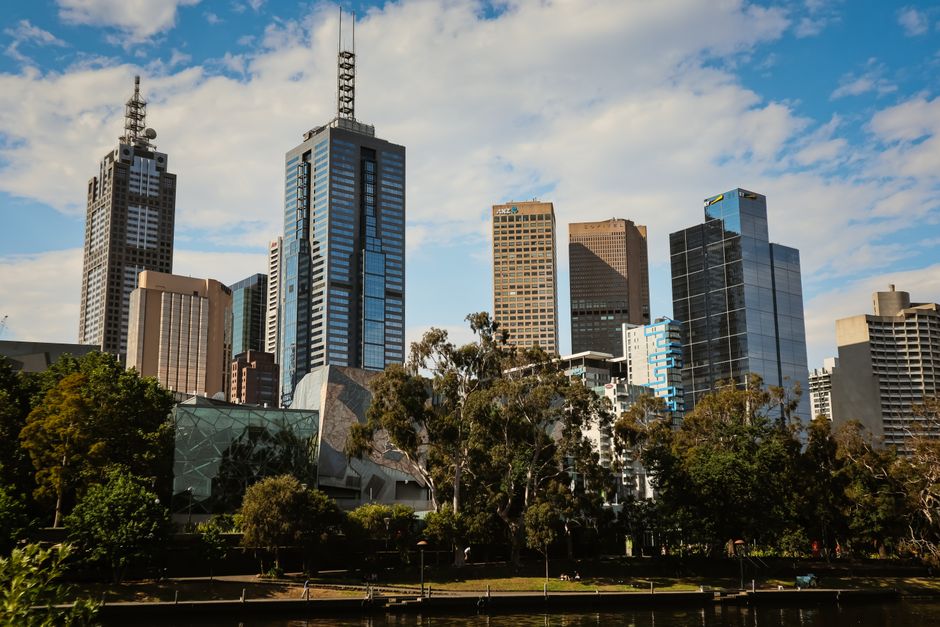
Melbourne's office market is undergoing a seismic shift, and it's worth understanding what's happening—because it affects your rent, your commute, and the vibrancy of neighbourhoods across the city.
The numbers tell a stark story. Office vacancy rates in Melbourne's CBD have climbed to levels not seen in over a decade, with major towers on Collins Street and Bourke Street experiencing occupancy rates below 85 per cent. Meanwhile, asking rents for premium CBD space have stalled or retreated, yet residential rental prices in inner suburbs continue their upward march. For everyday Melburnians, this disconnect matters enormously.
The post-pandemic shift to hybrid working has accelerated far beyond what most predicted. Major corporates and professional services firms are consolidating their footprint, reducing headcount in traditional offices, or relocating to secondary zones like Southbank, Docklands, and increasingly, the inner West. This migration is reshaping property values and foot traffic patterns across the city.
What does this mean for you? First, the CBD's daytime population has thinned considerably. That thriving lunchtime economy—the cafés, restaurants, and retailers that once depended on office workers—is struggling. Establishments around the GPO precinct and Arcade Lane have reported softer trading. Some landlords are now offering lengthy rent-free periods or reduced rates to attract and retain tenants, a concession rarely seen in Melbourne five years ago.
Second, renters should watch how this influences residential demand. As workers spend fewer days commuting to the CBD, some are relocating further out or choosing inner-suburb apartments closer to emerging employment hubs. This is pushing competition and prices in areas like Collingwood, Brunswick, and Coburg, while older CBD-adjacent precincts adjust to changing demographics.
Third, investor property valuations are recalibrating. If you're considering investment property or watching your own home value, understanding these commercial trends provides context. Properties with strong local amenity—independent schools, quality parks, local employment clusters—are holding value more resilientlyly than those dependent on CBD worker spending.
The silver lining: lower commercial rents may eventually create space for new types of businesses—creative studios, hospitality ventures, or healthcare services—to establish themselves in previously premium-priced areas. Hornsby Street in Fitzroy and Gipps Street in Collingwood have already seen this emergence.
Melbourne's office market isn't collapsing; it's reorganising. For residents and renters, staying informed about these shifts helps you make better decisions about where to live, where to invest, and which local amenities might be worth protecting as the landscape evolves.
This article was compiled by AI from the sources linked above and screened before publishing. See our editorial standards.