Melbourne's Retail-Hospitality Squeeze: What Operators Must Know as Consumer Spending Shifts
Rising costs and changing customer habits are forcing a reckoning across the city's cafes, restaurants and shops—here's what the data reveals.
2 min read
Rising costs and changing customer habits are forcing a reckoning across the city's cafes, restaurants and shops—here's what the data reveals.
2 min read
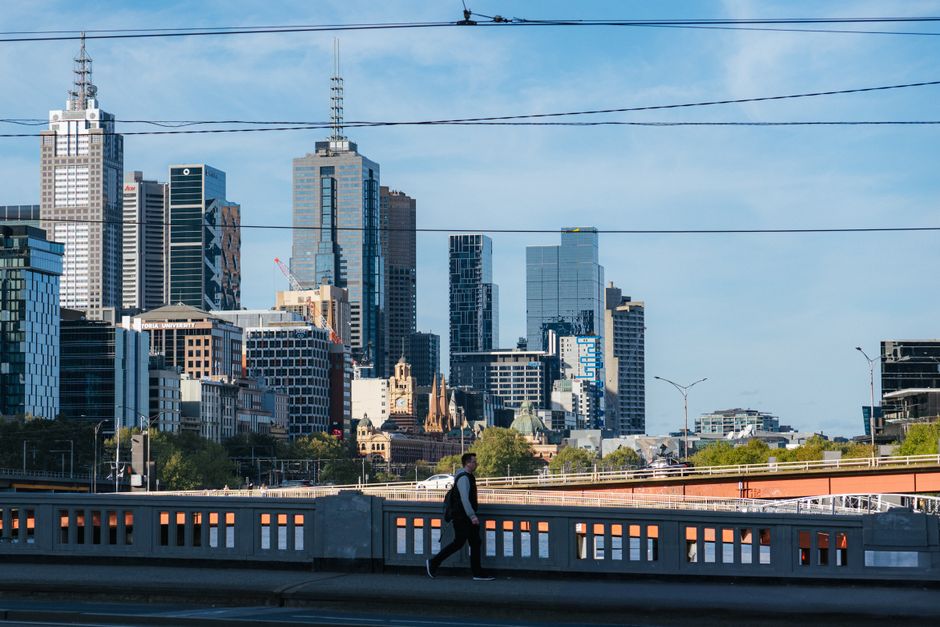
Melbourne's retail and hospitality sector is navigating a critical inflection point. While the city's sprawling laneways and precincts remain globally renowned, operators from Fitzroy to the CBD are grappling with margin compression, shifting consumer behaviour, and a competitive landscape that demands smarter decision-making than ever before.
Recent industry data suggests pedestrian traffic across Melbourne's major shopping districts—including Bourke Street, Chapel Street in South Yarra, and the Southbank precinct—has plateaued after the post-pandemic rebound. Meanwhile, online competition continues to erode traditional retail, particularly in apparel and homewares. For food and beverage venues, labour costs remain elevated, with experienced kitchen and front-of-house staff commanding premium wages in a tight employment market.
The hospitality snapshot is mixed. Cafe culture in precincts like Carlton, Brunswick, and inner-north suburbs remains resilient, buoyed by strong local demographics and tourist foot traffic. However, mid-range casual dining venues—the restaurants that typically operate on 5–8 per cent profit margins—are reporting softer demand for discretionary dining occasions. Venues dependent on CBD office workers have faced particular headwinds as hybrid working persists.
Price elasticity is reshaping menus. A flat white in Melbourne's premium laneways now averages $5.50–$6, whilst premium dining has fractured: high-end establishments maintain demand, but the mid-market struggles. Retailers report similar segmentation—discount and luxury performing better than the middle tier.
What savvy operators are doing differently: diversifying revenue streams. Successful cafes are adding retail products, merchandise, or prepared food for takeaway. Restaurants are leaning into group bookings, events, and corporate partnerships rather than relying on walk-in trade. Some are strategically repositioning inventory toward higher-margin items.
Technology adoption remains uneven. While leading venues have implemented sophisticated POS systems and customer data platforms, many smaller operators lag in analytics and inventory management—a competitive disadvantage when margins are tight.
The takeaway for Melbourne's 15,000+ hospitality and food venues: success increasingly depends on operational efficiency, customer data literacy, and authentic positioning. Generic retail and dining experiences face structural headwinds. Those thriving are typically either hyper-local and community-focused, or distinctly branded with clear value propositions that justify premium pricing or drive volume.
The city's retail-hospitality ecosystem remains vibrant, but the days of passive profitability are definitively over.
This article was compiled by AI from the sources linked above and screened before publishing. See our editorial standards.
About this article
Published by The Daily Melbourne
Daily brief
Free, in your inbox before 7am. Weekdays.
You might also like
Business
Business
Business
Business
Free daily briefing