When Sarah Chen opened her first micro-office hub on Hardware Lane in 2021, Melbourne's property market was in free fall. Downtown vacancy rates had surged past 10%, and commercial landlords were watching their portfolios hemorrhage value. Five years later, her company, WorkNest, operates 14 locations across the CBD, St Kilda Road, and South Yarra—and is reportedly valued at $240 million.
WorkNest's success mirrors a fundamental shift in how Melbourne businesses view real estate. Rather than signing decade-long leases, companies are opting for flexible, month-to-month arrangements in shared spaces that blend private offices, collaborative zones, and wellness facilities. Chen's insight was simple: the post-pandemic workplace needed to be agile.
"The old model assumed people would come to the same desk five days a week," Chen explained in a recent industry forum. "That world doesn't exist anymore."
Her timing proved prescient. Melbourne's CBD office vacancy peaked at 14.2% in late 2023 before gradually declining. Yet traditional class-A office rents—once commanding $650 per square metre—have stabilised around $520, according to JLL's latest quarterly report. WorkNest's flexible pricing model, averaging $450–$550 per square metre for premium fitouts, undercuts legacy landlords while offering corporations the optionality they demand.
The property establishment has taken notice. Major institutional investors including Mirvac and Stockland have launched competing offerings, while boutique operators have cropped up across Collingwood, Fitzroy, and the emerging tech precinct around Cremorne. Yet WorkNest retains market leadership through a focus on amenity and community—each location features rooftop gardens, meditation rooms, and subsidised café services.
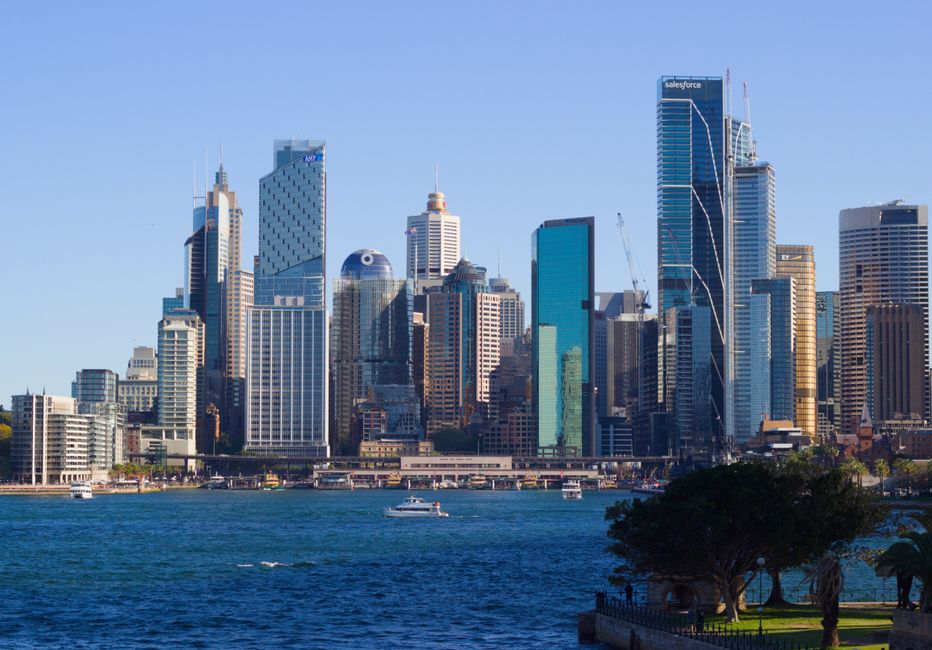
Chen's rise also reflects Melbourne's broader economic resilience. Unlike Sydney, where office oversupply has triggered a wave of residential conversions, Melbourne's commercial sector has absorbed disruption by becoming more sophisticated. The city's financial services, legal, and creative sectors—already concentrated in the CBD—have proven willing to experiment with hybrid arrangements.
Industry analysts suggest the flexible office market could capture 15–20% of Melbourne's CBD stock within five years, potentially freeing up 2–3 million square metres for reimagining. For entrepreneurs like Chen, that uncertainty presents opportunity. For traditional landlords, it represents an existential challenge.
As Melbourne's property market stabilises post-pandemic, the question is no longer whether flexible workspaces are here to stay—it's whether yesterday's office towers can evolve fast enough to survive.
This article was compiled by AI from the sources linked above and screened before publishing. See our editorial standards.