What Melbourne's Job Numbers Really Tell Us About Investment Flows and Economic Health
Rising employment figures mask a complex picture of where money is actually moving in Victoria's economy.
2 min read
Rising employment figures mask a complex picture of where money is actually moving in Victoria's economy.
2 min read
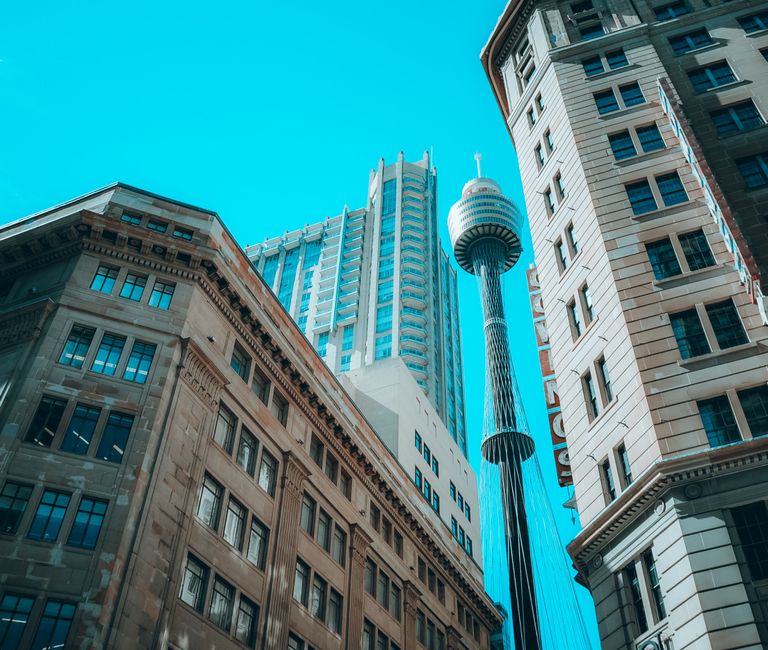
Melbourne's labour market is sending mixed signals to investors and business leaders watching from Docklands to Southbank. While headline unemployment figures have held steady at around 4 per cent, the composition of job creation reveals critical shifts in where capital is flowing—and where it's drying up.
The Australian Bureau of Statistics data released this quarter shows Victoria added 45,000 jobs over the past year, but the distribution tells a more nuanced story. Professional services and technology roles concentrated around the CBD and inner-city precincts like Carlton and Fitzroy are growing robustly, reflecting venture capital increasingly backing Victorian startups. Meanwhile, traditional manufacturing employment in outer suburbs like Dandenong and Broadmeadows continues its decades-long decline, signalling that investment dollars are abandoning industrial heartlands.
Commercial real estate patterns support this narrative. Prime office space in the CBD now commands $600-plus per square metre annually—up 12 per cent year-on-year—while industrial property in outer regions sits largely vacant. Landlords on Collins Street and Exhibition Street report near-full occupancy from tech firms and financial services; warehouses along the Princes Freeway struggle to attract tenants.
The construction sector illustrates investment flow dynamics acutely. Major projects like the Metro Tunnel and Broadway developments anchor inner-city growth, creating skilled jobs. Yet residential construction slowdowns in outer areas suggest investor appetite has shifted toward high-density, inner-ring development. This spatial mismatch matters: workers without degrees struggle to access growing job clusters, widening inequality.
Wage growth provides another indicator. Professional roles in Docklands are now offering 8-10 per cent salary increases annually to retain talent, while retail and hospitality wages across the city hover near award minimums. This divergence reflects where profit is concentrating—among knowledge-intensive businesses attracting institutional capital—versus labour-intensive sectors facing margin pressure.
For business leaders, these patterns warrant attention. Venture capital commitments to Victorian firms nearly tripled in 2025, with most funding clustering in software, biotech, and fintech. Yet small-to-medium enterprises in manufacturing and wholesale trade report tightening credit conditions, suggesting banks view these sectors as riskier.
The takeaway: Melbourne's economy isn't stalling, but it's reshaping. Capital is flowing decisively toward inner-city knowledge work and away from traditional industries. Job numbers rising masks this reorientation. Understanding where investment actually goes—not just headline employment—is essential for anyone planning Victoria's economic future.
This article was compiled by AI from the sources linked above and screened before publishing. See our editorial standards.
About this article
Published by The Daily Melbourne
Daily brief
Free, in your inbox before 7am. Weekdays.
You might also like
Business
Business
Business
Business
Free daily briefing