Melbourne's startup funding dips as global headwinds reshape investor appetite
Economic slowdown and rising interest rates are redirecting capital flows, but local innovation districts are repositioning to capture emerging opportunities.
2 min read
Economic slowdown and rising interest rates are redirecting capital flows, but local innovation districts are repositioning to capture emerging opportunities.
2 min read
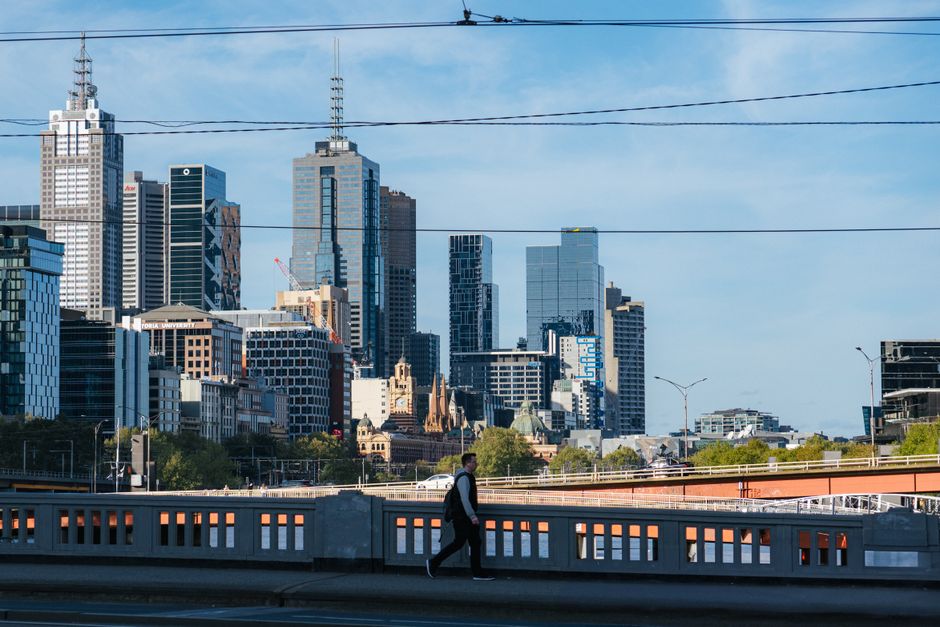
Melbourne's vaunted startup ecosystem is experiencing a significant recalibration as investment flows tighten across the Asia-Pacific region. New data released this month reveals that venture capital commitments to Victorian tech companies have fallen 34 per cent year-on-year, a sharp reversal from the pandemic-era boom that saw Southbank and Fitzroy transform into thriving innovation hubs.
The slowdown reflects broader economic headwinds—persistent inflation, elevated borrowing costs, and a global pullback in speculative investments. Yet beneath the headlines, Melbourne's innovation districts are adapting with remarkable agility, signalling that the downturn may simply be sorting productive ventures from unsustainable ones.
"We're seeing a return to fundamentals," explains the ecosystem's prevailing sentiment among operators along Flinders Lane and within the Cremorne innovation precinct. Investors are demanding clearer pathways to profitability, not just user growth metrics. Early-stage funding—traditionally the lifeblood of emerging startups—has contracted more sharply than later-stage capital, suggesting that Series A rounds remain accessible to companies with proven business models.
Importantly, the absolute dollar value of deals remains substantial. Melbourne startups attracted roughly AU$1.8 billion in venture funding during the first half of 2026, down from AU$2.7 billion in the same period last year, but still comfortably ahead of pre-2020 levels. This indicates resilience rather than collapse.
What's shifting is the *composition* of investment. Corporate venture capital—money deployed by established firms like ASX-listed tech companies and multinational financial services firms with Australian offices—now accounts for 28 per cent of total capital inflows, up from 18 per cent three years ago. These investors prioritise strategic fit and customer integration over exponential growth at all costs.
Government backing has also intensified. Victoria's innovation districts on Docklands Drive and around Carlton's research precincts are benefiting from expanded grants and co-investment schemes designed to retain talent and support deep-tech ventures in biotech and advanced manufacturing—sectors less vulnerable to sentiment swings.
Real estate dynamics reflect these currents. Commercial rents in Fitzroy's tech corridor have stabilised after climbing sharply during 2021-2023, offering breathing room for bootstrapping founders and early-stage teams previously priced out of premium addresses.
The broader lesson: Melbourne's startup ecosystem remains fundamentally sound, underpinned by world-class research institutions, growing technical talent pools, and increasingly strategic investors who view downturns as calibration rather than catastrophe. The next 12 months will reveal which innovations prove durable.
This article was compiled by AI from the sources linked above and screened before publishing. See our editorial standards.
About this article
Published by The Daily Melbourne
Daily brief
Free, in your inbox before 7am. Weekdays.
You might also like
Business
Business
Business
Business
Free daily briefing