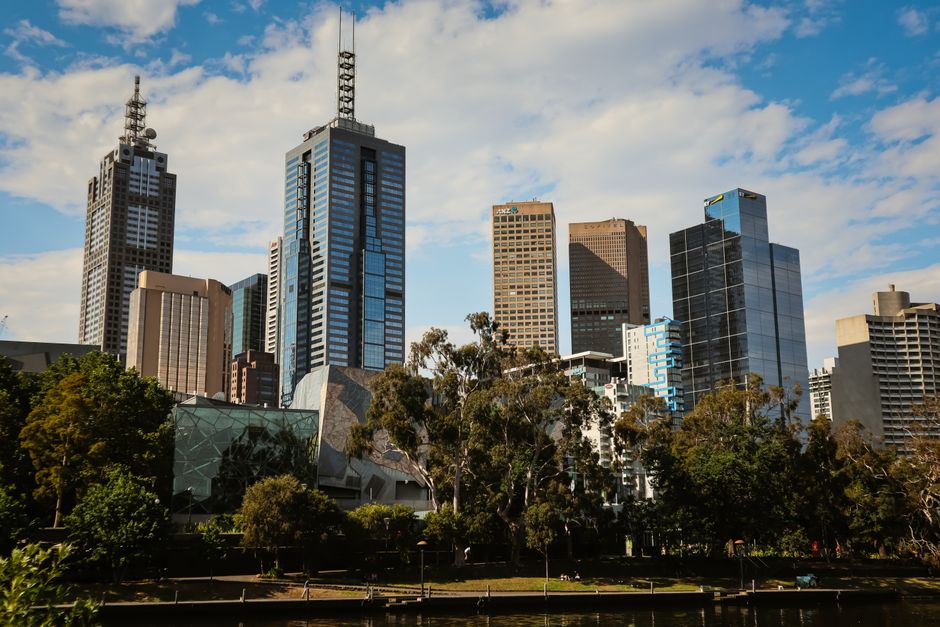
Melbourne's vaunted tourism sector is facing a sharp reality check. After years of recovery following pandemic disruptions, operators across the city's hospitality heartland are confronting a perfect storm of challenges that threaten to derail growth projections and strain already-thin margins.
The international visitor numbers tell a sobering story. While Tourism Australia's latest data shows Asia-Pacific recovery remains uneven, the weakening Australian dollar—hovering near 65 US cents—is creating a paradox: while cheaper for foreign tourists in theory, geopolitical tensions in the Middle East and ongoing economic uncertainty in key source markets like the UK and Canada have prompted families to defer or cancel long-haul trips. Hotel occupancy rates across the CBD's premium precincts—from Southbank to the east end of Collins Street—have softened to 78 per cent in the second quarter, down from 82 per cent a year earlier, according to preliminary hospitality industry surveys.
Labour shortages continue to plague the sector. Hospitality venues along Lonsdale Street and around Queen Victoria Market report difficulty recruiting and retaining kitchen and front-of-house staff, with wage pressures mounting as competing sectors—including retail and logistics—offer more predictable hours. Several mid-tier restaurants have reduced opening days or cut dinner service, directly limiting capacity during peak tourist season.
Energy costs remain elevated. Venues operating across the precinct report utility bills 25–30 per cent higher than 2024, eating into operational budgets that were already trimmed during the downturn. Smaller operators, particularly those in heritage-listed buildings along Gertrude Street in Fitzroy or around the Lanes, face compounding pressures from building compliance upgrades mandated by local councils.
The Events Melbourne team reports moderate demand for conventions and conferences in 2026, with several major bookings pushed to 2027. Venues like the Melbourne Convention and Exhibition Centre have seen a 12 per cent dip in forward bookings compared to the same time last year.
Not all signals are negative. Domestic tourism remains resilient, with Melbourne residents spending locally on staycations and weekend getaways—a silver lining for regional operators and inner-city boutique hotels. The city's calendar of cultural events and the reopening of upgraded precincts may yet attract leisure travellers seeking authentic experiences over mass-market packages.
Still, industry bodies are urging the state government to fast-track targeted support—from tax incentives for hospitality workers to subsidies for small-to-medium tourism operators. Without intervention, 2026 may mark a plateau rather than the growth trajectory stakeholders had anticipated.
This article was compiled by AI from the sources linked above and screened before publishing. See our editorial standards.
About this article
Published by The Daily Melbourne
This article was produced by the The Daily Melbourne editorial desk and covers business in Melbourne. See our editorial standards for how we use AI.
See something wrong? Suggest a correction.
Daily brief
Enjoyed this? Wake up to Melbourne news every morning.
Free, in your inbox before 7am. Weekdays.