Melbourne's Small Business Sector Faces Shifting Costs as Interest Rates Hold Firm
Local entrepreneurs adapting to persistent inflation and consumer spending slowdown, with hospitality and retail hit hardest.
3 min read
Local entrepreneurs adapting to persistent inflation and consumer spending slowdown, with hospitality and retail hit hardest.
3 min read
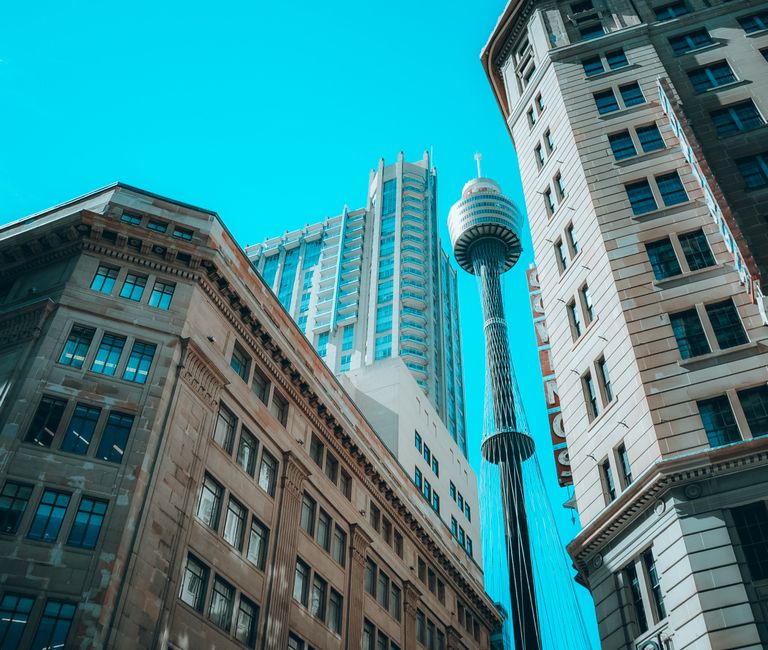
Melbourne's small business community is recalibrating expectations as the economic landscape enters a new phase. With the Reserve Bank signalling rates will remain at their current 4.35 per cent level through the remainder of 2026, owners across the city's diverse precincts are reassessing everything from staffing decisions to expansion plans.
Recent data from the Australian Small Business Loans Market shows that lending to small enterprises has contracted by 3.2 per cent year-on-year, a shift that's particularly visible in growth-dependent sectors. Along Fitzroy Street in St Kilda and the Southbank Promenade precinct, hospitality operators report tighter margins as both supplier costs and labour expenses remain elevated. The Australian Restaurant & Catering Association noted last month that food costs have stabilised but remain 12-14 per cent above 2021 levels.
The situation is forcing a reckoning. Retailers in the Bourke Street corridor and Chapel Street have reduced opening hours during traditionally slower periods, while service-based businesses—from accounting firms in the CBD to fitness studios across inner Melbourne—are investing in digital efficiency tools to offset wage pressures. Employment costs for small businesses now consume roughly 28 per cent of operating budgets, up from 24 per cent three years ago.
Not all sectors are struggling equally. Tech startups clustering in Cremorne and the growing creative sector around North Melbourne are attracting venture capital, particularly in areas like software-as-a-service and sustainable design. The Victorian Government's latest investment report showed knowledge-intensive businesses grew by 7.1 per cent in the past 12 months.
Melbourne's small business ecosystem—which represents roughly 98 per cent of all enterprises in Victoria—is also showing signs of adaptation. Business Victoria's advisory network has reported increased engagement from owners seeking to streamline operations and explore new revenue models. E-commerce remains a bright spot, with online sales growth continuing at 8-9 per cent annually despite broader retail softness.
What's clear is that 2026 demands agility. Businesses that succeed will be those monitoring cash flow carefully, maintaining lean inventories, and investing strategically in customer retention rather than expansion. For many operators—whether running a laneway café in Collingwood, a consulting firm in the CBD, or a boutique in Toorak—the next six months will determine whether they emerge stronger or face further consolidation.
The message to entrepreneurs is straightforward: stability is the new growth, and efficiency has become competitive advantage.
This article was compiled by AI from the sources linked above and screened before publishing. See our editorial standards.
About this article
Published by The Daily Melbourne
Daily brief
Free, in your inbox before 7am. Weekdays.
You might also like
Business
Business
Business
Business
Free daily briefing