Melbourne's Startup Scene Faces Perfect Storm of Headwinds in 2026
Rising costs, tighter capital flows, and talent drain are testing the resilience of Victoria's innovation district.
2 min read
Rising costs, tighter capital flows, and talent drain are testing the resilience of Victoria's innovation district.
2 min read
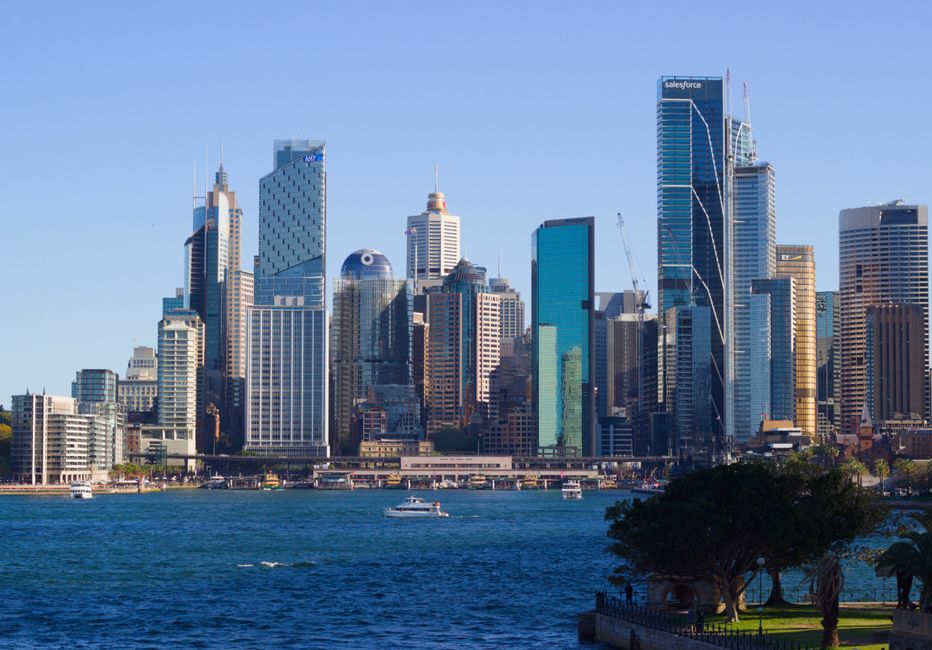
Melbourne's startup ecosystem, once celebrated as a global contender, is grappling with a convergence of challenges that threaten its momentum heading into the second half of 2026.
The Cremorne-Fitzroy corridor, which has anchored the city's innovation identity over the past decade, is experiencing a sharp slowdown in venture funding. Early-stage capital deployment has contracted by approximately 34 per cent compared to the same period last year, according to emerging data from local investment networks. Meanwhile, commercial rents along Brunswick Street and in the Southbank precinct—traditional hubs for tech and creative firms—have climbed beyond $400 per square metre annually, pricing out bootstrapped founders and early-stage teams that once thrived in these neighbourhoods.
The talent drain presents another acute problem. Skilled developers, product managers, and designers are increasingly targeting Sydney, which has emerged as a magnet for venture-backed companies and multinational tech expansions. Brain drain to international hubs—particularly Singapore and San Francisco—compounds the issue, with visa pathways becoming more restrictive and global competition intensifying for mid-level technologists.
Co-working spaces that once buzzed with entrepreneurial energy are reporting occupancy challenges. Spaces like those clustered around the Wheeler Centre precinct are offering extended lease incentives and month-to-month arrangements to retain tenants. The economic pressure has forced several smaller accelerators and incubators to consolidate or pivot their business models.
Rising interest rates and inflation have also deterred angel investors—traditionally crucial to Melbourne's startup fabric. Angels are holding capital tighter and demanding more evidence of traction before committing funds, creating a funding gap for seed-stage companies that falls between pre-seed bootstrapping and Series A rounds.
Regulatory headwinds are mounting too. New Australian Privacy Principles enforcement and fintech compliance requirements have raised operational costs for startups in those sectors, reducing runway for cash-constrained teams.
However, stakeholders haven't surrendered to pessimism. State government initiatives, including expanded grants through the Victoria Startup Program, aim to inject $50 million into the ecosystem over three years. Industry observers suggest the consolidation may ultimately strengthen the sector by weeding out unsustainable ventures and focusing capital on genuinely defensible business models.
Still, 2026 represents a critical inflection point. Melbourne's startup community must navigate tighter conditions, accelerate path-to-revenue timelines, and retain its creative talent—or risk ceding further ground to rival cities in an increasingly competitive landscape.
This article was compiled by AI from the sources linked above and screened before publishing. See our editorial standards.
About this article
Published by The Daily Melbourne
Daily brief
Free, in your inbox before 7am. Weekdays.
You might also like
Business
Business
Business
Business
Free daily briefing