Melbourne's Office Market Faces Perfect Storm of Headwinds in 2026
Rising vacancy rates, subdued tenant demand and persistent interest rate pressures are testing the resilience of the CBD's commercial property sector.
3 min read
Rising vacancy rates, subdued tenant demand and persistent interest rate pressures are testing the resilience of the CBD's commercial property sector.
3 min read
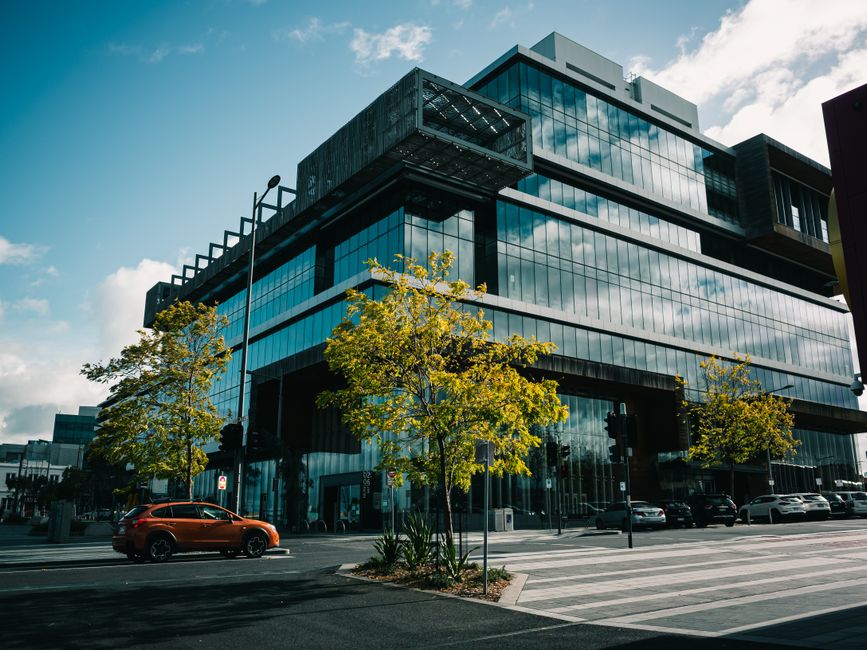
Melbourne's commercial property market is navigating treacherous waters as 2026 unfolds, with a confluence of structural and cyclical challenges undermining what was once the nation's most buoyant office sector.
Vacancy rates in the CBD have climbed to levels not seen in over a decade, with prime addresses along Collins Street and in the Docklands precinct struggling to attract tenants at the rents property owners anticipated just two years ago. Major leasing transactions have slowed considerably, and several high-profile developments that were greenlit during the pandemic optimism of 2021-22 now face extended pre-leasing periods.
The hybrid work phenomenon, which has fundamentally reshaped occupancy patterns across Australian cities, continues to weigh heavily on demand. While Melbourne's tech and professional services sectors retain significant office footprints, the square metres required per worker has shrunk noticeably. This structural shift means even companies expanding headcount are not proportionally expanding their real estate footprint—a departure from historical trends that is forcing landlords to recalibrate expectations.
Interest rate settings remain a persistent headwind. Although the Reserve Bank has signalled potential easing later in 2026, the carry-over effects of recent tightening cycles continue to constrain investor appetite. Debt servicing costs have compressed returns on many assets, particularly secondary properties in fringe locations such as outer Docklands and Carlton North. Several institutional investors have retreated from the market entirely, creating a buyers' drought that has depressed capital values.
Regulatory shifts are adding another layer of complexity. Increasingly stringent energy efficiency standards and demands for net-zero compliance are imposing capital expenditure obligations on building owners that were not factored into acquisition models prepared three or four years ago. Retrofitting aging office stock—particularly the aging Class B and Class C stock scattered across Richmond and Fitzroy—requires substantial investment, and market rents in these precincts are not yet sufficient to justify the outlay.
Coworking operators, which expanded aggressively during the pandemic as a flexible alternative to traditional leasing, are also consolidating. The exit of some second-tier operators has created additional vacancy and competitive pressure on traditional landlords competing for smaller tenants.
Despite these headwinds, not all signals are uniformly pessimistic. Iconic A-grade addresses in the CBD's north remain attractive, and the emerging innovation precincts around Southbank continue to draw knowledge-intensive tenants. Yet for the broader market, 2026 represents a year of reckoning—one in which structural demand shifts meet cyclical financing constraints in ways that will likely test the sector through the remainder of the decade.
This article was compiled by AI from the sources linked above and screened before publishing. See our editorial standards.
About this article
Published by The Daily Melbourne
Daily brief
Free, in your inbox before 7am. Weekdays.
You might also like
Business
Business
Business
Business
Free daily briefing