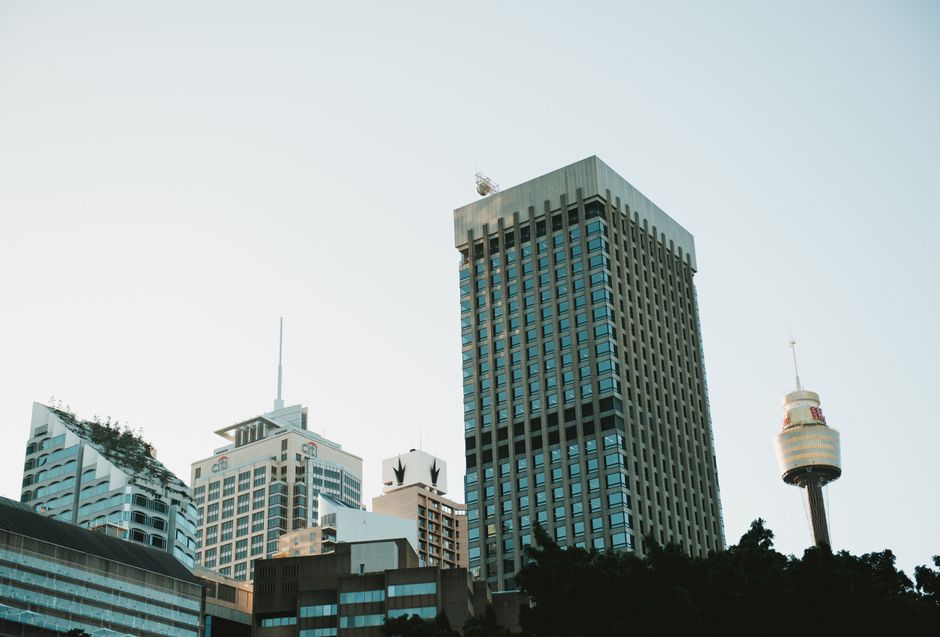
Melbourne's commercial property sector is facing its most challenging year since the pandemic, with a confluence of structural headwinds threatening to reshape the city's iconic CBD and established business precincts.
Vacancy rates in the Melbourne CBD have climbed to levels not seen in over a decade, with premium office space on Collins Street and along the Bourke Street corridor experiencing particular pressure. Data from major property consultancies suggests the CBD vacancy rate has edged above 13 per cent, a significant jump from the sub-8 per cent levels recorded in 2019. The picture is equally grim across emerging office hubs—Docklands, once touted as a rival to the traditional CBD, is grappling with even higher vacancy as major corporates reassess their footprint.
The structural issue underpinning this slump is no longer temporary. Permanent hybrid and remote work arrangements have fundamentally reduced demand for traditional office space. Major financial services firms and tech companies have consolidated their Melbourne operations, with some consolidating two or three leases into single, more efficiently designed spaces. Others have downsized entirely, relocating back-office functions to cheaper precincts or offshore locations.
Rising operational costs compound the problem. Building owners face elevated energy and maintenance expenses just as they're forced to slash rents to retain tenants. Owners of older office buildings—particularly those pre-dating the 2000s—are confronting steep retrofit costs to meet modern environmental standards and tenant expectations around sustainability. The economics of renovation versus demolition have become critical calculations for landlords across Southbank and the Docklands precinct.
Financing has also tightened. Banks remain cautious about valuing commercial property portfolios, with some institutions requiring higher loan-to-value ratios or imposing stricter covenants on borrowers. This has frozen refinancing activity and deterred new investors from entering the market, even as asset prices moderate.
There are narrow pockets of resilience. Purpose-built spaces tailored to flexible working, particularly in inner suburbs like Carlton and Collingwood, have performed better than traditional corporate towers. Mixed-use developments that blend office with retail, hospitality and residential amenities have also attracted interest, signalling that landlords who can adapt may survive the transition.
But the reality is stark: Melbourne's commercial property sector must confront a permanent reduction in office demand. The next 12 to 24 months will likely determine which landlords can adapt and which face prolonged distress.
This article was compiled by AI from the sources linked above and screened before publishing. See our editorial standards.
About this article
Published by The Daily Melbourne
This article was produced by the The Daily Melbourne editorial desk and covers business in Melbourne. See our editorial standards for how we use AI.
See something wrong? Suggest a correction.
Daily brief
Enjoyed this? Wake up to Melbourne news every morning.
Free, in your inbox before 7am. Weekdays.