What Melbourne's Retail Recovery Tells Us About Where Money Is Really Flowing
As foot traffic returns to Bourke Street, economic data reveals which neighbourhoods and sectors are attracting serious investor attention—and why.
3 min read
As foot traffic returns to Bourke Street, economic data reveals which neighbourhoods and sectors are attracting serious investor attention—and why.
3 min read
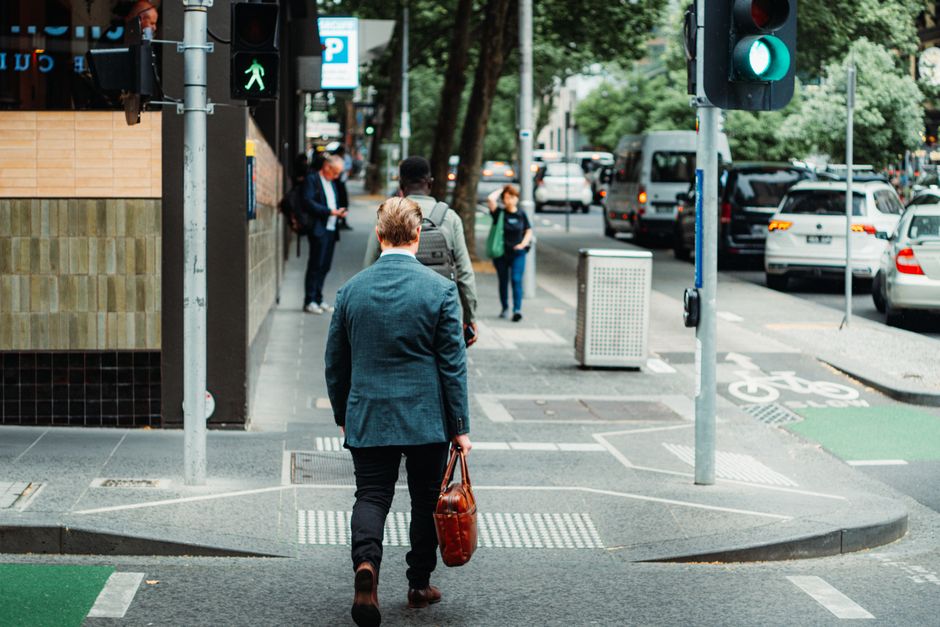
Walk down Bourke Street on a Monday morning and you'll notice something that quarterly economic reports have been quietly confirming: Melbourne's small business landscape is experiencing a selective recovery, and understanding where capital is flowing tells a crucial story about our city's future.
Recent ABS data shows Victorian retail spending rose 2.3% in the March quarter, but the narrative beneath those headline figures is far more granular. While traditional shopping precincts like the CBD have stabilised, suburban retail strips in Fitzroy, Brunswick, and Prahran are experiencing disproportionate investment inflows. Commercial real estate agents report that shop leases in these areas are shifting at $300–$500 per square metre annually—up sharply from pre-2024 levels—as young entrepreneurs and established operators race to secure frontage.
This shift reflects broader economic indicators worth parsing. The Reserve Bank's business investment survey shows Australian small firms are cautiously optimistic about growth prospects, yet remain selective about where they deploy capital. For Melbourne operators, this means proximity to dense, affluent residential populations—not CBD foot traffic—has become the primary lever for leasing decisions.
Consider hospitality: venues opening along Smith Street in Collingwood or Gertrude Street in Fitzroy are betting on neighbourhood density and Instagram-ability over traditional prime real estate. Rents here run $200–$350 per square metre—substantially cheaper than Southbank or the GPO precinct, yet commanding premium customer demographics. Economic modelling from the Committee for Melbourne suggests this pattern reflects deeper investment flows: venture capital and small business loans are increasingly targeting lifestyle precincts over CBD retail.
The data also reveals sectoral divergence. While traditional retail struggles with online competition, food and beverage, wellness services, and creative industries are absorbing fresh investment. Small Business Victoria's latest survey found nearly 60% of approved business loans in metropolitan Melbourne went to hospitality and personal services sectors—a striking concentration.
Interest rate expectations matter here too. With the RBA holding rates steady through 2026, borrowing conditions remain relatively stable, allowing small operators to plan beyond quarterly uncertainty. Yet rising property valuations in inner-ring suburbs are tightening margins: a Fitzroy operator taking a $250,000 loan at current rates faces higher debt servicing costs on inflated lease valuations.
For entrepreneurs watching these trends, the message is clear: economic indicators aren't just numbers. They map capital flows, revealing which neighbourhoods lenders favour, which sectors attract investment, and where demographic trends are creating genuine opportunity. Melbourne's recovery isn't evenly distributed—it's concentrated, selective, and increasingly suburban.
This article was compiled by AI from the sources linked above and screened before publishing. See our editorial standards.
About this article
Published by The Daily Melbourne
Daily brief
Free, in your inbox before 7am. Weekdays.
You might also like
Business
Business
Business
Business
Free daily briefing