Global Trends Reshape Melbourne's Commercial Property Market
The city's office market is feeling the effects of a shifting global landscape, with implications for local businesses and investors.
3 min read
The city's office market is feeling the effects of a shifting global landscape, with implications for local businesses and investors.
3 min read
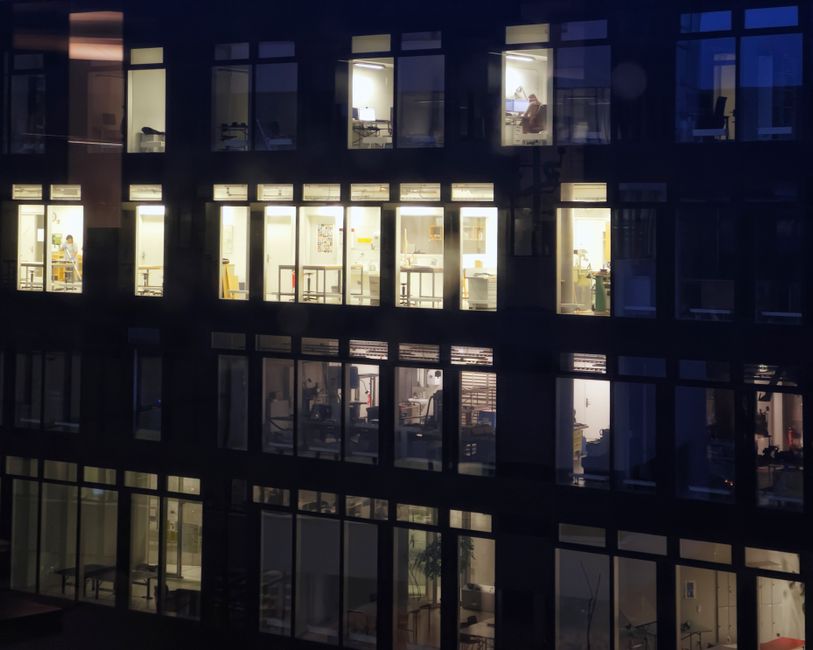
Melbourne's commercial property market is experiencing a significant shift, with global trends and economic changes having a direct impact on the city's office market. A key fact is that the current vacancy rate in Melbourne's CBD is around 12.5%, according to recent data.
This matters now because the global context is creating uncertainty and change in the commercial property sector. The rise of remote work, coupled with economic uncertainty, is altering the way businesses approach office space. As a result, Melbourne's commercial property market is not immune to these changes, and local businesses are feeling the effects. With the city's reputation as a major global hub, it is essential to understand how these global trends are influencing the local market.
In Melbourne, specific areas such as Collins Street, Bourke Street, and the Docklands are experiencing the impact of these global trends. Organisations like the Melbourne City Council and the Victorian Chamber of Commerce and Industry are working to support local businesses and attract new investment to the area. For example, the Melbourne City Council's Commercial Property Incentives Program aims to encourage businesses to occupy vacant spaces in the CBD. Additionally, the Melbourne Innovation District initiative, led by the University of Melbourne, RMIT, and other partners, is focused on fostering innovation and entrepreneurship in the city.
Looking at the data, the average annual rent for premium office space in Melbourne's CBD is around $1,250 per square metre, according to a recent report by a commercial real estate firm. This represents a decrease of 10% compared to the same period last year. Furthermore, the report notes that the total office stock in Melbourne's CBD is approximately 4.8 million square metres, with around 600,000 square metres of new supply expected to come online in the next 12-18 months. As of June 2026, the Melbourne office market has seen a significant increase in sub-lease space, with around 150,000 square metres available for sub-lease.
As the global context continues to evolve, it is crucial for local businesses and investors to stay informed and adapt to the changing market conditions. With the rise of AI and data centres, there may be opportunities for Melbourne to attract new investment and businesses in this sector. However, this will also require careful planning and management to ensure that the city's infrastructure and resources can support this growth. In practical terms, businesses should be prepared to be flexible and open to new opportunities, while also being mindful of the potential risks and challenges associated with the changing commercial property market.
Partner Content
SponsoredPartner Content lets Melbourne businesses reach engaged local readers with a clearly labelled, editorial-style feature. Every placement is marked Sponsored, in line with our sponsored content policy.
About this article
Published by The Daily Melbourne
Daily brief
Free, in your inbox before 7am. Weekdays.
You might also like
Business
Business

Business
Business
Free daily briefing
The Daily Network