Melbourne port and logistics sector handles half of Australia's container trade
The Port of Melbourne is the nation's busiest container terminal and a critical national economic asset.
2 min read
The Port of Melbourne is the nation's busiest container terminal and a critical national economic asset.
2 min read
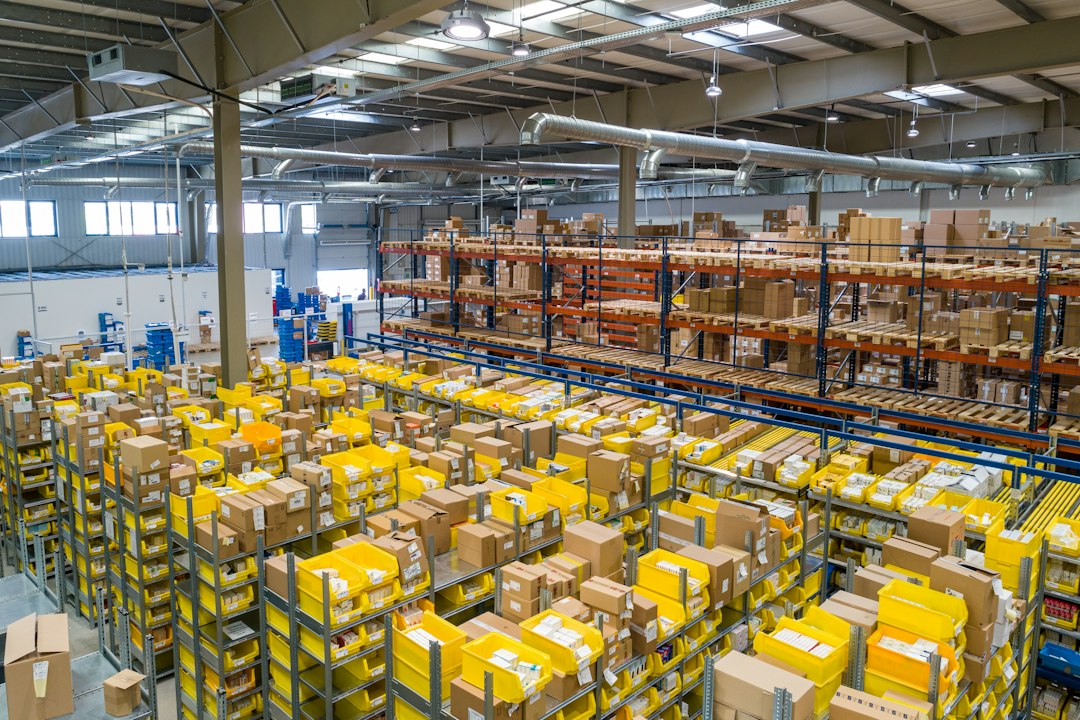
The Port of Melbourne handles approximately 3 million TEU (twenty-foot equivalent units) annually — nearly half of Australia's container import and export volume — making it the most important logistics infrastructure facility in the country and an economic asset whose smooth operation is fundamental to the supply chain reliability of manufacturers, retailers, and exporters across Victoria, South Australia, and New South Wales.
The port's privatisation in 2016 — which generated $9.7 billion for the Victorian government — transferred its operations to a consortium of international infrastructure investors who have invested in expanded container terminal capacity, improved wharf infrastructure, and technology systems that have maintained the port's throughput through the extraordinary volume growth of the post-COVID period, when supply chain disruptions globally concentrated container volume at Australia's east coast ports at levels that tested physical infrastructure capacity.
The logistics ecosystem surrounding the port encompasses the road and rail freight networks that move containers between the port and distribution centres, the warehousing and cold chain facilities in the port's hinterland, and the customs brokerage, freight forwarding, and logistics services firms whose operations depend on reliable port access. The total port precinct employment, including on-port operations and the surrounding logistics industry, is estimated at 28,000 direct positions.
The port's long-term capacity challenge is the road corridor connecting the port to the metropolitan freight network, which passes through residential areas that create conflict between freight traffic and community amenity. The West Gate Tunnel, when complete, will provide an alternative route that reduces the freight vehicle burden on the Maribyrnong River corridor and the residential streets of the inner western suburbs.
This article was compiled by AI from the sources linked above and screened before publishing. See our editorial standards.
About this article
Published by The Daily Melbourne
Daily brief
Free, in your inbox before 7am. Weekdays.
You might also like
Business

Business

Business
Business
Free daily briefing