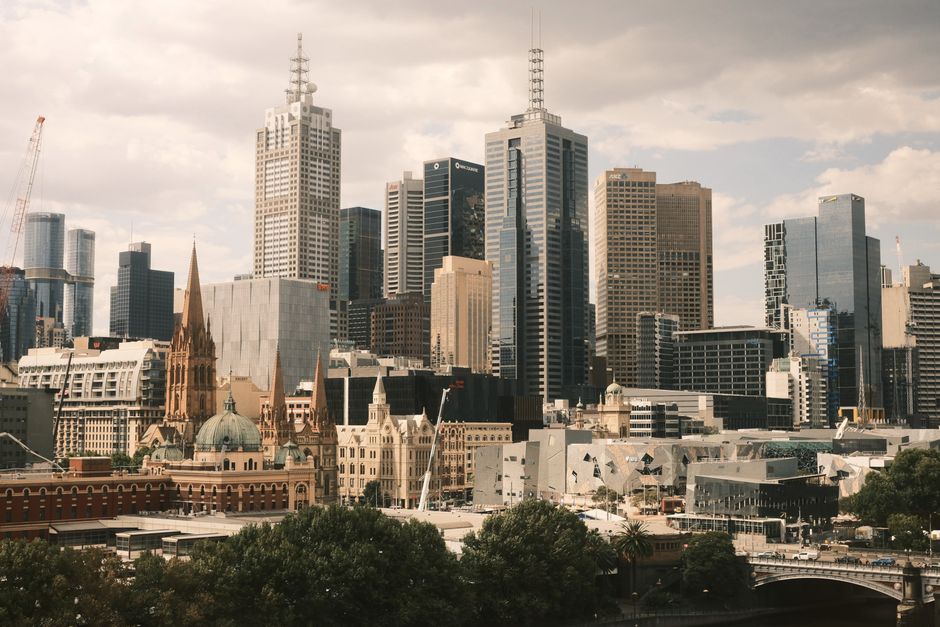
Walk down Gertrude Street in Collingwood on any given weekend and you'll witness what has become Melbourne's defining cultural paradox: a city simultaneously honouring its creative past while reimagining its artistic future. The street, which has anchored the city's contemporary art scene for two decades, now sits alongside a fundamentally transformed cultural landscape that extends from the NGV's $200 million International building expansion to the emerging museum quarter conversations reshaping Southbank.
This isn't merely about new buildings or increased foot traffic. The gallery and museum sector has become the primary lens through which Melbourne constructs and projects its identity—locally and globally. Unlike rival cities that lean on single flagship institutions, Melbourne's strength lies in a distributed network of voices: the National Gallery of Victoria's dual campuses, the Ashmolean-quality collections at the Ian Potter Centre, the scrappy experimentation of artist-run spaces in Brunswick and Fitzroy, and the provocative programming of smaller venues like Gertrude Contemporary.
The numbers reflect this cultural investment. Visitation to major Melbourne museums and galleries surpassed 6.2 million annually by 2025, with the NGV alone drawing over 2 million visitors. But statistics obscure the deeper story. These institutions have become platforms for articulating the city's values: Indigenous recognition through major exhibitions like those at the Ian Potter, climate consciousness through contemporary acquisitions, and community accessibility via free entry days and neighbourhood satellite programs.
The real transformation, however, lies in how Melbourne's creative identity has become inseparable from its institutions' willingness to take risks. The Contemporary Art Centre's programming challenges commercial gallery sensibilities. Artist collectives operating in converted factories across Collingwood and Abbotsford establish alternatives to institutional gatekeeping. Meanwhile, the NGV's commitment to acquiring contemporary Australian work—particularly from First Nations artists—signals that Melbourne's museums now actively shape rather than passively reflect cultural production.
This ecosystem effect matters profoundly. Young artists choose Melbourne partly because the city's galleries and museums don't just display work; they participate in its creation. Emerging practitioners see pathways between artist-run initiatives, public institutions, and international platforms. The city's laneways and street art culture, once considered separate from 'serious' art institutions, are now documented and celebrated by major museums, legitimising the democratic impulse that has always animated Melbourne's creative character.
As global cultural tourism reshapes post-pandemic priorities, Melbourne's gallery and museum sector offers something increasingly rare: institutions genuinely entangled with their city's creative community rather than isolated from it. That integration—messy, contested, and constantly evolving—has become the truest expression of what Melbourne's cultural identity actually is.
This article was compiled by AI from the sources linked above and screened before publishing. See our editorial standards.
About this article
Published by The Daily Melbourne
This article was produced by the The Daily Melbourne editorial desk and covers culture in Melbourne. See our editorial standards for how we use AI.
See something wrong? Suggest a correction.
Daily brief
Enjoyed this? Wake up to Melbourne news every morning.
Free, in your inbox before 7am. Weekdays.