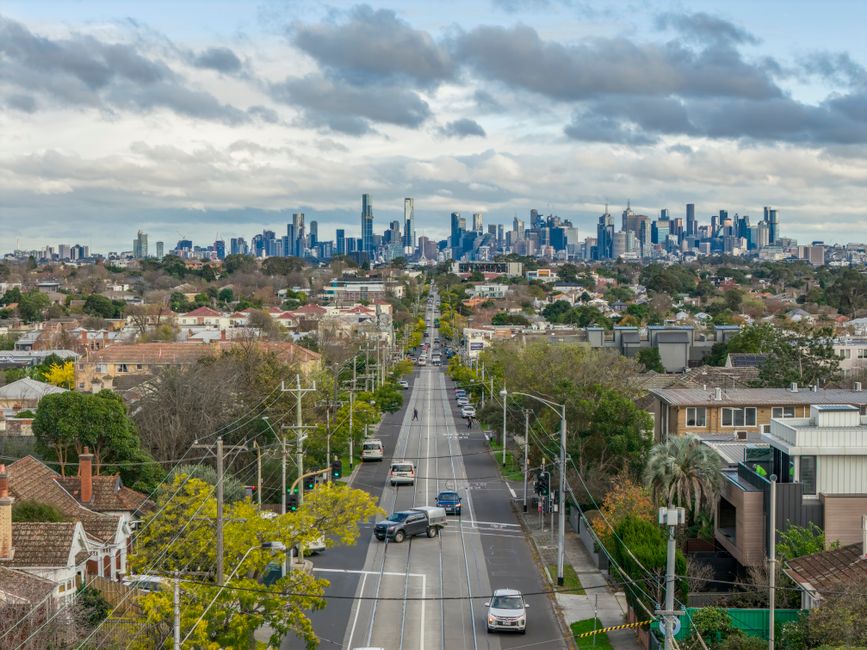
Wall Street finished Friday's session in the red, with the Nasdaq Composite bearing the heaviest damage, falling 1.32% to 25,820 as investors rotated out of high-multiple technology names ahead of the half-year close. The broader S&P 500 shed 0.44% to 7,440, a move that, while contained by historical standards, carries pointed implications for Australian investors given the degree to which domestic superannuation funds have built exposure to US equities over the past three years. For the millions of Melburnians with balances in AustralianSuper, Cbus, HESTA or Hostplus, a sustained softening in American tech is no longer an abstraction.
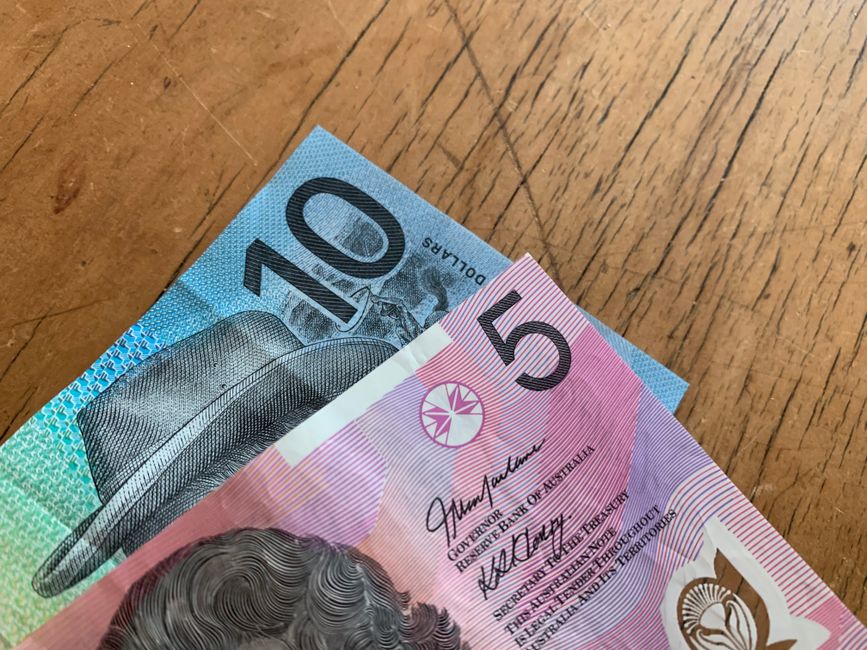
The session's most arresting number, however, may not be in New York at all. The Australian dollar dropped a sharp 1.47% against the greenback to sit at 0.6892, its weakest position in recent months. Currency moves of that magnitude in a single session typically reflect a combination of risk aversion, commodity price signals and shifting rate-differential expectations. For importers, the move is immediately inflationary. For Australian travellers and businesses settling US-dollar invoices, Friday's close sharpens the cost calculus considerably.
Gold and defensives provide the offset
Not everything moved against local interests overnight. Gold extended its run, adding 0.96% to reach US$4,029 per ounce, a level that would have seemed improbable to most commodity desks only two years ago. The sustained bid in bullion reflects a market still nervous about sovereign debt dynamics and geopolitical friction, and it provides a meaningful earnings tailwind for ASX-listed gold producers. West Texas Intermediate crude was effectively unchanged, edging just 0.09% higher to US$70.40 per barrel, which offers little fresh direction for energy names on the local bourse.
Against that backdrop, the ASX 200's fractional gain of 0.08% to 8,823 on Friday looks like a market holding its breath. The All Ordinaries dipped slightly to 9,027, consistent with a domestic session that found buyers scarce but sellers equally reluctant to press their case. With Wall Street's technology-led retreat now on the tape, local fund managers will need to weigh whether the overnight move represents a routine profit-taking exercise or the early stages of a more durable de-rating in growth assets.
Bitcoin's 1.09% rise to US$60,370 is a minor counterpoint, though the cryptocurrency's partial decoupling from equity risk has been uneven enough that it offers little reliable read-through to broader sentiment. The real watch in coming sessions will be whether the Nasdaq's slide accelerates or stabilises. Given that the big four Australian banks carry material wealth-management exposure and industry funds report balances monthly, any prolonged US tech correction will work its way into domestic confidence data quickly.
For Melbourne-based investors, the immediate checklist is straightforward: review unhedged international equity allocations, note that a weaker Australian dollar inflates the local-currency value of offshore holdings even as underlying asset prices fall, and watch the gold sector for continued momentum. The half-year reporting season begins in earnest next month; Friday's Wall Street session has ensured it will open under a watchful eye.
This article was compiled by AI from the sources linked above and screened before publishing. See our editorial standards.
About this article
Published by The Daily Melbourne
This article was produced by the The Daily Melbourne editorial desk and covers finance in Melbourne. See our editorial standards for how we use AI.
See something wrong? Suggest a correction.
Daily brief
Enjoyed this? Wake up to Melbourne news every morning.
Free, in your inbox before 7am. Weekdays.