From Car-Centric to Connected: How Melbourne's Inner-East Commute is Being Reimagined
Carlisle Street and the surrounding Fitzroy precinct are leading a quiet transport revolution that's reshaping how locals move through the city.
3 min read
Carlisle Street and the surrounding Fitzroy precinct are leading a quiet transport revolution that's reshaping how locals move through the city.
3 min read
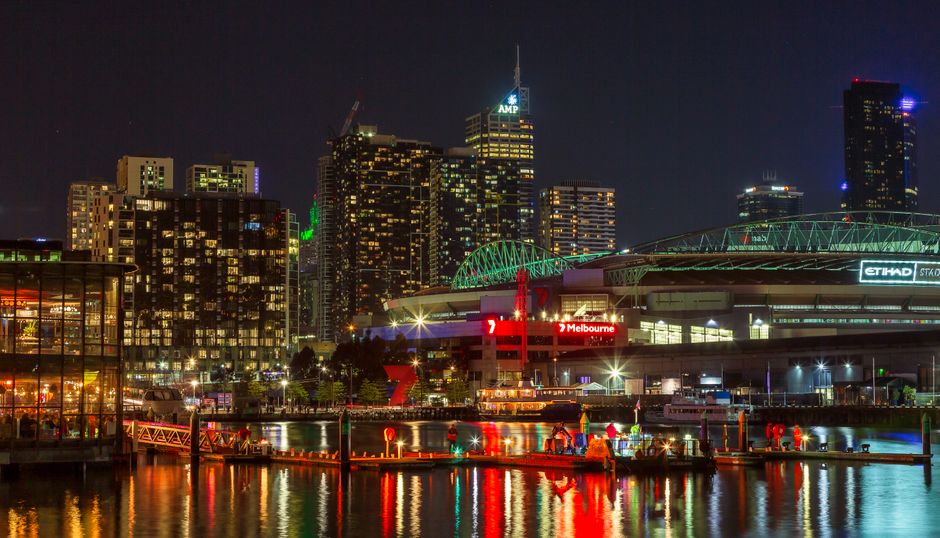
Five years ago, the afternoon crawl along Carlisle Street in Fitzroy was a predictable ritual: bumper-to-bumper traffic, frustrated drivers circling for parking, and a steady stream of peak-hour exhaust fumes. Today, something quietly transformative is underway in Melbourne's inner-east, and it's fundamentally changing how residents commute.
The catalyst has been less dramatic than you might expect. Rather than a single policy shift, it's been a combination of factors: the expansion of tram services, the emergence of pop-up bike lanes (now becoming permanent), and crucially, a generational change in how young professionals view car ownership. Parking rates in the precinct have surged to $35-$45 per day at commercial facilities, making the math harder for daily commuters.
The numbers tell the story. PTV data reveals that patronage on the 86 tram route—which runs along Nicholson Street and services the Fitzroy corridor—has grown 22 per cent since 2023. Meanwhile, Bike Victoria reports that cycle commuting on routes feeding into the CBD from suburbs like Fitzroy and Collingwood has increased by roughly 30 per cent over the same period. These aren't marginal shifts; they represent a genuine recalibration of transport priorities.
What's particularly striking is how the streetscape itself is adapting. The intersection of Carlisle and King William streets—historically chaotic during rush hours—now features dedicated cycling infrastructure that separates riders from traffic. Smith Street has seen similar upgrades. Local traders initially worried about losing parking, but many report that improved foot traffic from new commuter patterns has actually boosted custom.
For Fitzroy residents, the appeal is practical rather than ideological. A 25-minute tram commute to Flinders Street Station beats the 40-minute slog by car, especially when you factor in parking costs and tolls. E-bikes have made the 3.5-kilometre ride to the CBD viable for people who wouldn't have cycled a decade ago. The precinct's growing number of secure bike parking facilities—now including the new 120-space facility near Rose Street—supports this trend.
Not everyone is convinced the transition is seamless. Business owners on side streets still grapple with parking demand, and some residents resent the removal of general traffic lanes. But the trajectory is clear: the inner-east's transport identity is shifting from car-dependent to genuinely multi-modal.
As Melbourne grapples with congestion and emissions targets, Fitzroy's quiet revolution offers a glimpse of how established neighbourhoods can evolve—not through top-down mandates, but through a confluence of infrastructure investment, economic incentives, and changing commuter behaviour. The car isn't disappearing from Carlisle Street, but it's no longer the default.
This article was compiled by AI from the sources linked above and screened before publishing. See our editorial standards.
About this article
Published by The Daily Melbourne
Daily brief
Free, in your inbox before 7am. Weekdays.
You might also like
Lifestyle
Lifestyle

Lifestyle
Lifestyle
Free daily briefing