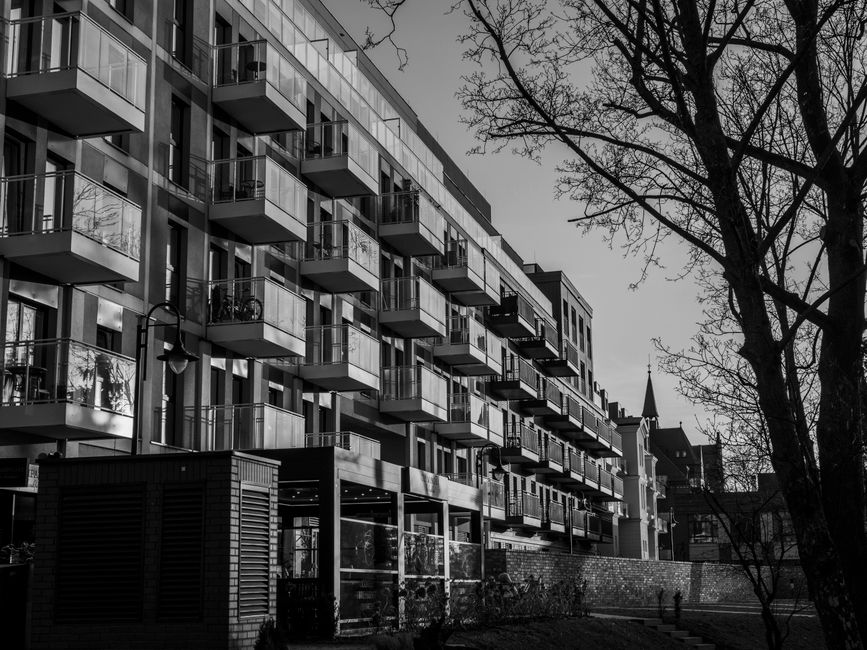
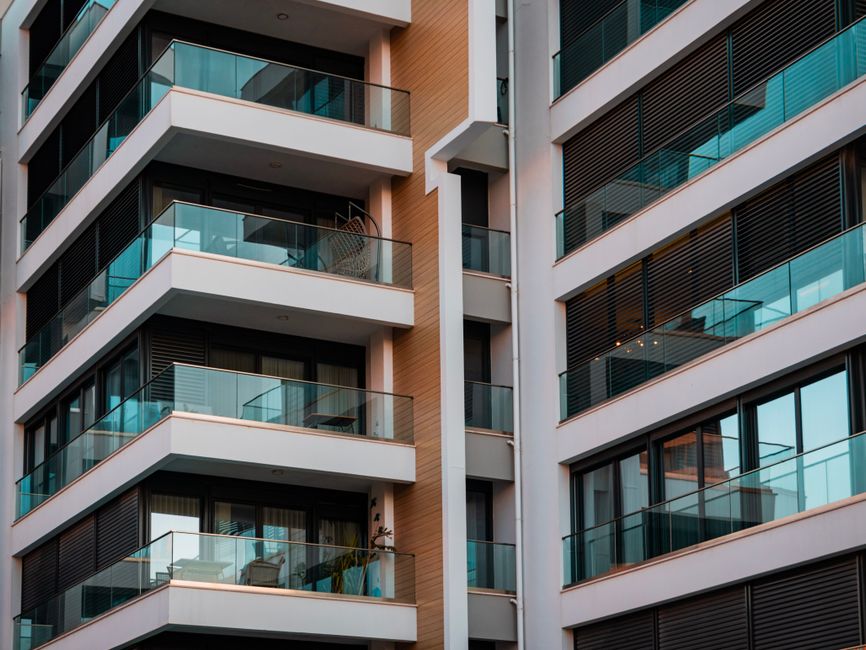
Carlton Primary School's Year 1 class has 14 students this year. A decade ago, it had 28. The pattern is the same across Melbourne's inner suburbs, where enrolment figures at state primary schools have fallen hard enough that principals are quietly restructuring their buildings, selling off portable classrooms, and reimagining their playgrounds for smaller cohorts.
The shift reflects a broader Melbourne family migration. Young parents who bought apartments in Carlton, Fitzroy, and South Yarra during the 2010s property boom are now moving outward, chasing backyards, family-sized homes, and the kinds of neighbourhoods where a primary school has waiting lists instead of spare classrooms. Schools built for 400 students now teach 260. The economics are brutal. Funding follows enrolment, and smaller pupil numbers mean smaller budgets.
"We've gone from feeling like we had growth problems to having contraction problems," one principal in the inner suburbs told me, speaking on condition of anonymity because the department discourages public comment about enrolment trends. The shift has accelerated over the past three years as property prices in suburbs like Coburg North and Preston have become more attractive to families than inner-city postcodes where a modest three-bedroom Victorian terrace costs upward of $1.2 million.
The suburban shift reshapes school communities
Fitzroy Primary School, which occupies a heritage-listed building on Napier Street, has seen its enrolment drop from 380 students in 2016 to 252 this year. The school has responded by consolidating junior grades and reducing its specialist teaching staff. South Yarra Primary, just across the Yarra River, lost 45 students over the same period. Both schools now compete harder for the families that remain, emphasizing their arts programs and their walkable neighbourhoods to parents who choose to stay put.
The contraction is not universal. Schools in growth corridors like Tarneit, Point Cook, and Clyde are still adding portable buildings and hiring extra teachers. But the inner-city picture is so stark that the Department of Education and Training quietly adjusted its funding model in 2024 to account for schools that don't hit their budgeted enrolment targets. Before the change, a school that fell 50 students short of projections would lose funding equivalent to roughly $180,000 in annual operating costs.
Families leaving cite several factors. Property prices are the obvious one—a three-bedroom house in Brunswick costs roughly $920,000, compared to $1.15 million in nearby Carlton. But schools also matter. Parents with multiple children weigh the practical reality of managing a Carlton apartment with two kids during school holidays. The inner suburbs offer cultural attractions, restaurants, and nightlife. They don't offer large backyards or parks with multiple football ovals.
Schools adapt or risk decline
The schools adjusting most successfully are those rethinking their offer to remaining families. Carlton Primary now markets its proximity to the University of Melbourne and its international student families, creating a genuinely multicultural intake. Fitzroy Primary has beefed up its arts curriculum and its outdoor learning spaces, betting that the families staying in the suburb care about those things more than square footage.
What happens next depends partly on the property market. If inner-city housing becomes significantly more affordable—something that seems unlikely in the near term—families might stay. But demographer Bernard Salt told The Age last month that the outward migration of young families from Melbourne's inner suburbs has "the character of a permanent structural shift," driven by generational preferences for space and suburban schools with established communities.
Parents in inner suburbs who want their children to attend schools with peer groups and stable enrolments are increasingly looking at independent schools—Fitzroy's Monte Rosa Montessori and the Federation University Prep School both draw families who might once have chosen their local primary. It's a private solution to a public problem, and it's reshaping what inner-city childhood looks like in Melbourne.
Business details including hours, menus and offerings may change. Verify directly with the venue before visiting.