Footscray, a suburb traditionally known for its diverse migrant communities and industrial roots, is rapidly redefining itself as a key destination for Melbourne’s evolving food culture. Over the past 18 months, new market spaces and upscale cafés have opened across the neighbourhood, marking a shift from its previous character as an affordable, working-class precinct.
New Markets and Café Culture Reshape Footscray
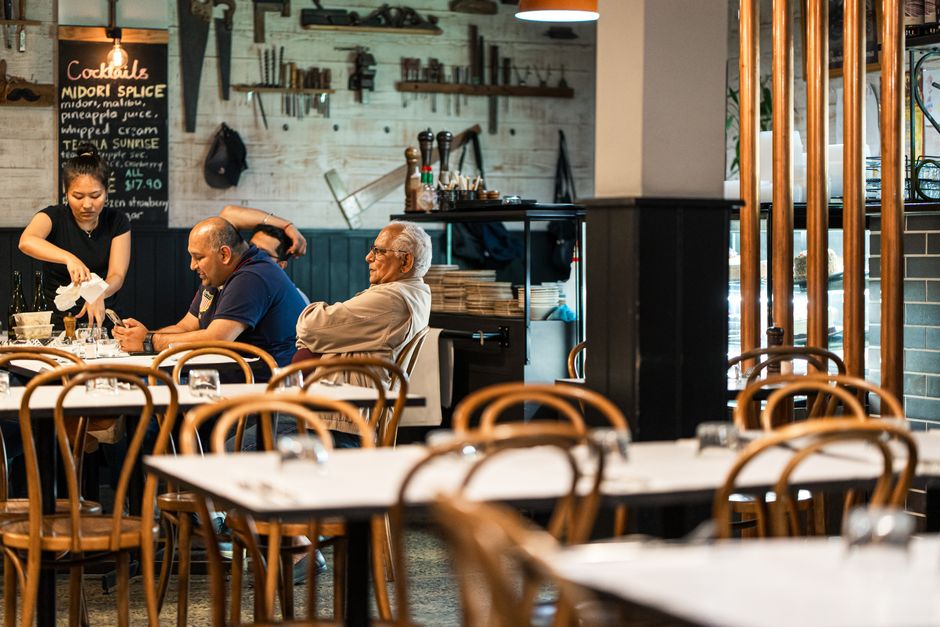
Footscray Market, a longstanding staple for fresh produce and ethnic delicacies, recently underwent a $10 million redevelopment completed in late 2025. The upgrade expanded vendor stalls and improved facilities, aiming to meet increased customer demand and diversify its culinary offerings. Alongside the market, two new boutique cafés — Beanspot on Leeds Street and Little Mali on Napier Street — have launched in the last year, introducing specialty coffee and fusion dining experiences to an area better known for traditional food outlets.
This transformation is part of a broader zeitgeist as Melbourne’s west attracts food enthusiasts looking for authentic multicultural flavors combined with contemporary dining trends. The suburb’s proximity to the CBD and more affordable leasing costs compared with inner-city precincts have encouraged entrepreneurs to invest in Footscray’s food scene.
Data Points Reflect Growing Popularity and Economic Impact
According to the Maribyrnong City Council’s economic development report published in June 2026, Footscray’s hospitality sector grew by 22% between 2024 and 2026. The number of licensed food and beverage businesses increased from 180 to 220 in that timeframe, indicating healthy growth and renewed investor confidence. Average rental prices for retail spaces near Footscray Market rose from $600 to $850 per square metre per year, reflecting increasing demand.
Local foot traffic data corroborates the trend, showing a 30% uptick in visitor numbers to key culinary precincts during weekends compared to two years ago. Community events such as the Summer Night Market, held monthly at Whitten Oval, continue to attract crowds exceeding 10,000, reinforcing Footscray’s repute as a food destination. Moreover, the multicultural fabric of the area remains vibrant, with families from Vietnamese, Ethiopian, and West African backgrounds still prominent, contributing unique ingredients and recipes to the neighbourhood’s ongoing evolution.
Residents interviewed by The Daily Melbourne acknowledge the changes, noting increased excitement about new food choices but also concerns about rising living costs and pressures on long-established businesses.
Looking Ahead: What Residents and Visitors Can Expect
Footscray’s development as a gastronomic hotspot is expected to continue through 2026 and beyond. The Maribyrnong Council has outlined plans to introduce cultural festivals celebrating the area’s diverse heritage, alongside improved public transport links including the upcoming extension of the Sunbury rail line which will reduce commuting times to Flinders Street Station by approximately 15 minutes.
For locals and visitors keen to explore the evolving food scene, it’s advisable to frequent both new establishments and traditional eateries to support the full spectrum of the community’s offerings. With the winter vegetable season underway, Footscray Market is currently featuring blackberries and Brussels sprouts at competitive prices, perfect for adventurous cooks looking to experiment with fresh Melbourne-grown produce.
As Footscray balances modernization with cultural preservation, the neighbourhood stands as a vivid example of Melbourne’s dynamic lifestyle shifts, blending history and innovation on every street corner.
Business details including hours, menus and offerings may change. Verify directly with the venue before visiting.