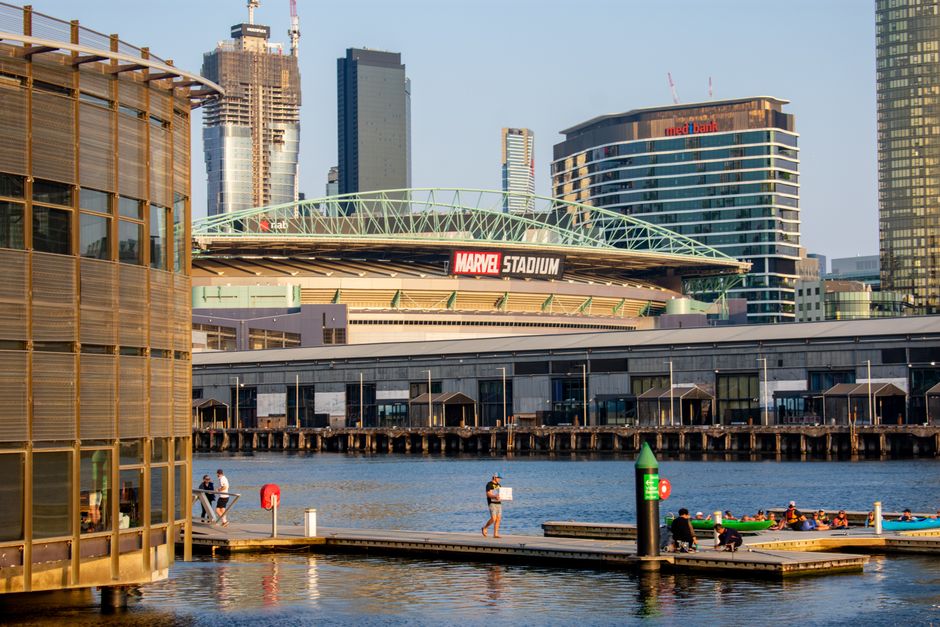
Melbourne’s population growth reached a net increase of 165,000 residents in the last financial year, triggering a scramble for housing that has fundamentally shifted where newcomers settle. Rather than gravitating toward the central grid, long-term expats and interstate arrivals are increasingly embedding themselves in pockets that offer a starkly different pace of life. The days of the 'lock-and-leave' Docklands apartment are being supplanted by a desire for the communal, village-style atmosphere found in suburbs like Northcote and Footscray.
The shift to village living
Neighbourhood character is no longer a luxury; it is the primary filter for the latest wave of relocations. In Northcote, the community pulse is felt most keenly along High Street, where the independent cinema Palace Westgarth stands as a local anchor. The transition from the corporate sterility of the CBD to these residential corridors is marked by a sudden abundance of community gardens and small-scale cooperatives. For those relocating, the Victoria Street social hub in Footscray offers an immediate sense of scale that the city centre lacks, anchored by the Little Saigon Market and an ever-evolving rotation of independent Vietnamese eateries.
Data from the Domain Rental Report for the June quarter shows that median weekly rents for units in Melbourne have climbed to $620, a 9.7% increase compared to this time last year. This cost pressure has pushed many families to explore the 'middle ring' suburbs such as Coburg and Preston. In these areas, the community vibe is sustained by legacy organisations like the Coburg Farmers’ Market, which serves as a weekend meeting point for residents to source produce directly from growers. These suburbs offer a higher density of older, weatherboard housing stock, which residents increasingly prefer over the glass-tower developments of the inner city.
Navigating the Melbourne transition
Practical integration starts with understanding that Melbourne operates on a suburb-by-suburb basis. New arrivals should prioritise signing up for the 'My Neighbourhood' newsletter run by the City of Melbourne to track local council town hall meetings and infrastructure upgrades. If you are moving to the inner-west, joining a local tool library or a volunteer group at the Footscray Community Arts centre provides an immediate network that avoids the isolation often felt by new arrivals in a foreign market. For those living in the north, walking the Merri Creek Trail is the best way to get a sense of the geographic boundaries that define the city’s unique, sprawling layout.
The current market reality dictates that securing a lease requires more than just a standard application. Real estate agents are reporting that prospective tenants who attend open inspections with a digital ‘rental resume’—including references from previous landlords and proof of employment—are securing properties 20% faster than those relying solely on standard portals. To integrate successfully, newcomers should plan to spend their first four weeks exploring a single corridor, such as the number 11 or 96 tram lines, rather than attempting to conquer the entire city at once. Building a connection to a local cafe or public library is not just a lifestyle choice; it is the most reliable way to navigate Melbourne’s hidden social architecture.
Tell Melbourne your story
Partner Content lets Melbourne businesses reach engaged local readers with a clearly labelled, editorial-style feature. Every placement is marked Sponsored, in line with our sponsored content policy.
Business details including hours, menus and offerings may change. Verify directly with the venue before visiting.
About this article
Published by The Daily Melbourne
This article was produced by the The Daily Melbourne editorial desk and covers lifestyle in Melbourne. See our editorial standards for how we use AI.
See something wrong? Suggest a correction.
Daily brief
Enjoyed this? Wake up to Melbourne news every morning.
Free, in your inbox before 7am. Weekdays.