lifestyle
Melbourne Markets Become Essential as Winter Grocery Bills Surge Higher
With winter grocery bills climbing, local markets are shifting from weekend leisure to essential economic hubs.
How we reported this
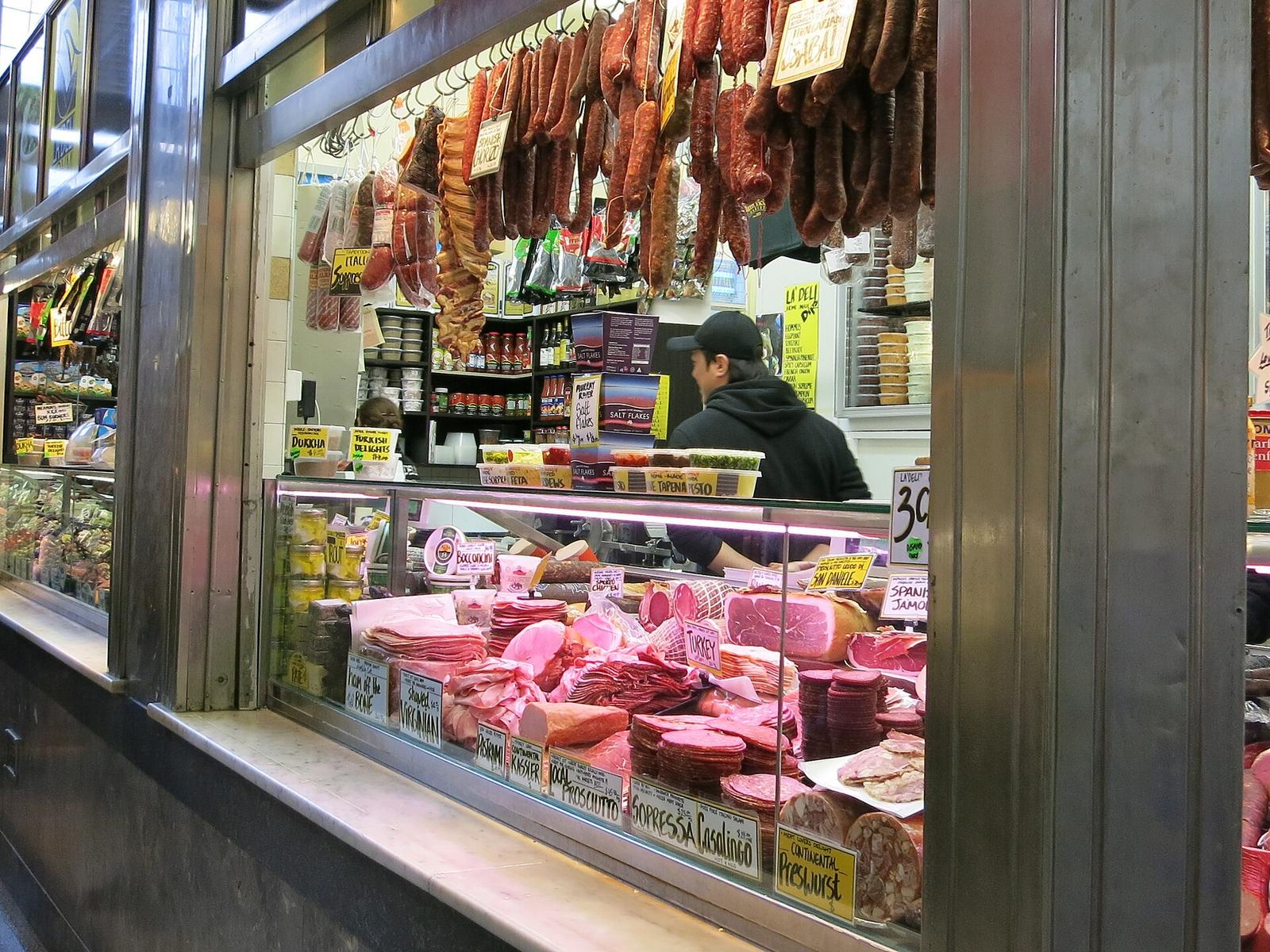
Melbourne shoppers are bypassing the big-box supermarkets in record numbers this July, seeking relief from a winter cost-of-living crunch that has pushed staple vegetable prices up by nearly 14 percent since May. As inflation tightens household budgets, the city’s historic market precincts have become the primary battleground for affordable produce and essential supplies.
The Shift to Bulk and Seasonal Buying
The transition is most visible at the Queen Victoria Market on Elizabeth Street, where thousands of residents are now flocking to the 'deli lane' and open-air fruit stands as early as 6:00 a.m. Traders at the market report that the demographic of their core customer base has shifted significantly over the past three months, with more young professionals and families prioritizing bulk-buying over weekly convenience runs. At the South Melbourne Market on Cecil Street, stallholders are emphasizing seasonal staples like brussels sprouts and blackberries, which currently represent the best value per kilogram in the state.
Data from the latest consumer price index tracking shows that fresh food expenditure has risen by an average of $45 per week for a standard Melbourne family of four compared to the same period in 2025. To manage these costs, market advocacy groups like the National Association of Retail Grocers of Australia are advising shoppers to target the final two hours of trading on Sunday afternoons. During this 'clearance window,' stallholders often slash prices on perishables by up to 50 percent to empty their crates before the weekly stock replenishment.
Practical Tips for Market Shoppers
Before you set out, check the specific trading hours for your local hub, as these have become increasingly inconsistent during the winter months. While the Queen Victoria Market maintains its traditional Tuesday, Thursday, and Friday to Sunday schedule, smaller community markets in suburbs like Preston and Footscray have occasionally adjusted their timings to account for the unseasonably warm weather patterns affecting supply chains. Bringing a heavy-duty trolley or insulated bags is now considered mandatory, not just for convenience, but to avoid the overhead of purchasing single-use containers.
Cash remains king for negotiating prices on bulk boxes of root vegetables or citrus. Many independent vendors at the inner-city markets still offer a 'cash-only' discount that can shave an additional 10 percent off the total cost of a basket. Arriving early is essential; by midday on a Saturday, the most cost-effective bulk trays of fruit are frequently sold out. For those looking to maximize their budget, keep an eye on the official market websites for 'Market Specials' bulletins released every Thursday, which detail the week's surplus produce before you arrive.