lifestyle
Melbourne's Photo Labs Boom as Film Photography Makes Surprising Comeback
After years of digital dominance, film photography and print services are experiencing a quiet renaissance in the city, driven by creatives tired of endless editing and young people discovering the tactile joy of physical images.
How we reported this
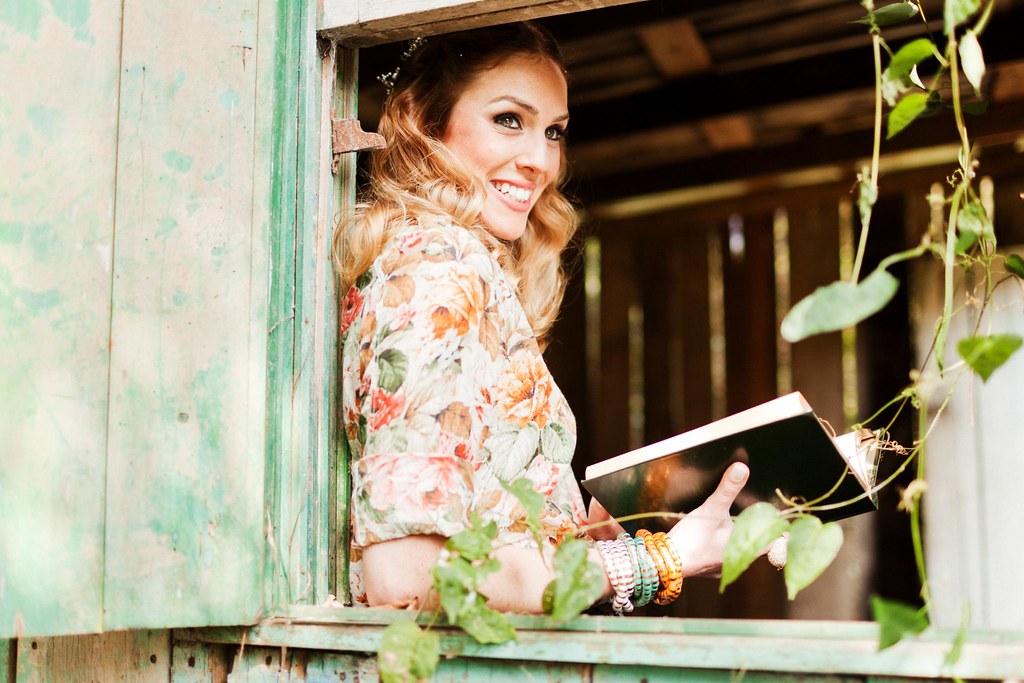
Film photography has stopped being a niche hobby in Melbourne. Walk into Foto Fanatic on Brunswick Street in Fitzroy on any Saturday afternoon and you'll find the small shop packed with people clutching rolls of Kodak Portra and Fujifilm. The owner reports they've had to restock twice as often as they did five years ago, moving from ordering film in quarterly batches to monthly runs.
This shift reflects a broader fatigue with digital perfection. Instagram filters and Photoshop manipulation have become so ubiquitous that younger Melburnians-particularly those aged 18 to 35-now actively seek out the opposite: photos they can't edit, can't redo, can't optimize. Film forces a commitment. You load 36 frames into your camera, you shoot them, and whatever emerges from the darkroom is what you get. No second chances, no algorithmic tweaking, no infinite do-overs.
The change accelerated significantly during the past 18 months. Photo labs that had quietly contracted their services or talked about closing have instead expanded. Cameraplex, the long-running lab on Greville Street in Prahran, recently added a second printing station after demand for darkroom prints jumped roughly 40 percent between early 2025 and mid-2026. Their colour negative processing-once scheduled weeks out-now turns around in five business days.
The tactile return to physical photographs
What's driving the shift isn't nostalgia alone. Locals describe a genuine preference for holding photographs they've made themselves rather than endlessly scrolling through phone galleries. Print shops across Melbourne report brisk orders for contact sheets and enlargements, with standard 4x6 prints priced between $0.80 and $1.20 per frame, and larger 8x10 prints running $8 to $12 depending on the lab and paper stock.
At the Melbourne Photo Collective in Abbotsford, a nonprofit workspace founded in 2019, membership has doubled in the past year. The space offers access to darkrooms, enlargers, and community critique sessions. The collective's coordinator reports that roughly 60 percent of new members are under 25, and many have never shot film before picking up a Canon AE-1 or Pentax K1000 at a local vintage shop. Friday night group printing sessions now regularly draw 15 to 20 people.
Several factors converged to trigger this change. The environmental conversation around fast fashion and throwaway digital culture created space for more intentional creative practices. Simultaneously, the cost of film stock-which had plummeted to nearly zero as manufacturers wound down production-has stabilized as Kodak and Fujifilm responded to renewed demand. A roll of Tri-X black-and-white film, which could be found for $2 to $3 five years ago when nobody wanted it, now costs $6 to $8. That price recovery signals genuine market traction rather than a temporary trend.
What comes next for Melbourne's photo scene
Three new darkroom facilities have announced opening dates in Melbourne during the second half of 2026. One space in Carlton plans to focus on teaching beginners, while another in Collingwood will offer rental access to private darkrooms by the hour. Neither has officially opened yet, but pre-registration lists are already full.
For locals interested in jumping in, the practical entry point remains straightforward. A used 35mm SLR camera costs $80 to $250 depending on condition and model. Film processing at any of Melbourne's active labs runs $8 to $15 per roll. From there, the decision is simple: shoot, develop, and live with whatever you made. No filters, no revisions, no perfect version waiting in the cloud.