Footscray is finally getting the food conversation it deserves. The neighbourhood west of the CBD, long dismissed as a transit hub between the city and the Westgate, has attracted a cluster of new food businesses in the past 18 months that signals a genuine shift in how Melburnians eat and shop outside the inner ring.
The catalyst? A combination of rental affordability, a densifying residential base, and operators tired of competing for table space in Fitzroy and Brunswick. When Footscray Markets opened its permanent home on Nicholson Street in March 2025, it marked a symbolic pivot. The venue runs three days a week—Thursday through Saturday—hosting 40 to 50 food and produce vendors in a 2,000-square-metre warehouse that the developers had originally earmarked for storage.
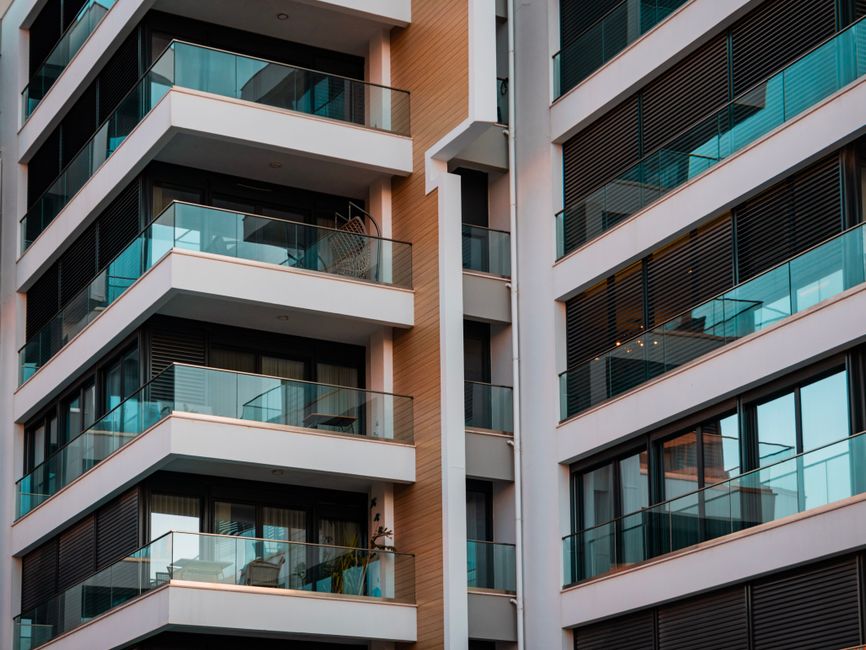
"We saw opportunity in the data," said one local business development officer when the market launched. Footscray's population grew 8.2 percent between 2021 and 2026, according to ABS figures, faster than suburbs like Coburg and Sunshine. Young families and migrant communities have pushed median rents down to $480 a week for a two-bedroom apartment—roughly $200 below the Melbourne average—making the neighbourhood viable for people priced out of Abbotsford and Collingwood.
New Operators Find Room to Breathe
The market's opening created a ripple effect. Within six months, three dedicated cafés opened within a 300-metre radius on Hopkins Street and Nicholson Street, each targeting the mid-morning and lunch crowd that previously had limited options beyond the existing Turkish bakeries and Vietnamese pho shops that have anchored Footscray's food culture for decades.
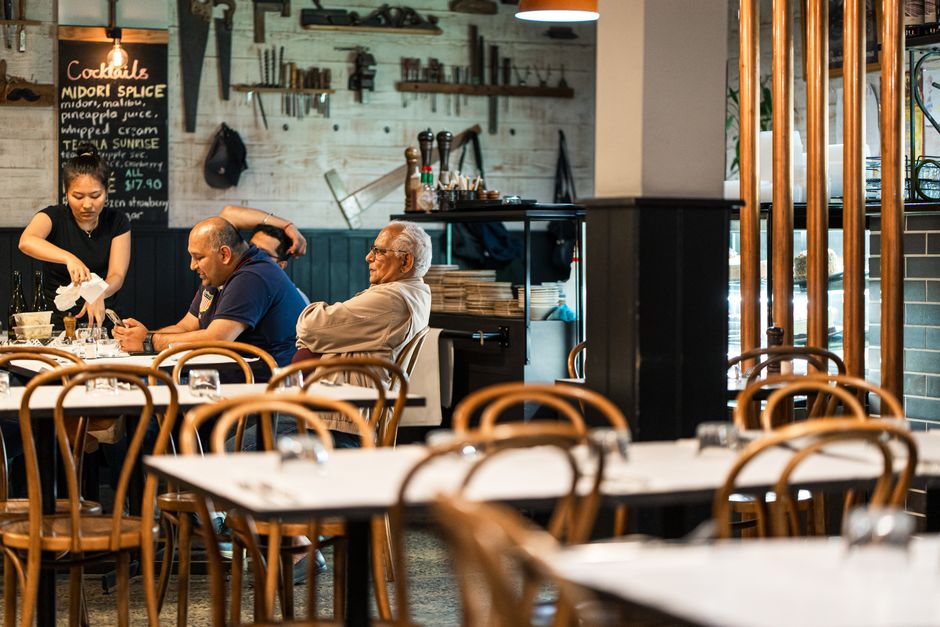
One permanent fixture is Footscray Collective, a 60-seat café housed in a converted factory space that opened in May. Its menu rotates produce directly from the markets across the road, a model becoming standard among new independent venues. A flat white costs $5.20, competitive with suburbs like Coburg but undercutting inner-city prices by a dollar. Their breakfast offerings—sourdough, pastries, fried eggs—reflect the kind of casual, unfussy cooking that appeals to the neighbourhood's mix of tradies, students, and young professionals.
The supply-side economics matter here. Footscray Collective sources brussel sprouts and blackberries—currently tracking as July's best-value produce in Australia—directly from regional growers who sell at Footscray Markets on Thursday and Friday mornings. That vertical integration allows margins that would be impossible in Collingwood or South Yarra, where rent consumes 15 to 20 percent of a café's takings.
What Comes Next
The transformation isn't complete. Footscray still lacks the brand recognition of established food neighbourhoods. Instagram mentions of "Footscray café" lag those of "Fitzroy café" by roughly 40-to-1 based on recent hashtag analysis. The neighbourhood's industrial heritage—railway lines, automotive repair shops, warehousing—creates noise and air-quality issues that some new residents find jarring.
But momentum is building. Two more permanent markets are in planning stages for 2026, and the council has fast-tracked a public domain upgrade for Nicholson Street that includes wider footpaths and improved outdoor seating. For people tired of queue-and-wait dining or priced out of the CBD's food scene, Footscray offers something simpler: affordable, neighbourhood-oriented cooking without the hype cycle.
If you're planning a visit, Thursday to Saturday mornings at Footscray Markets remain the sweet spot. Arrive before 11 am to beat the lunch crowds and find parking in the street-level bays. The produce turnover is fastest mid-morning, and cafés tend to be quieter. Expect to spend $15 to $25 per person for a market meal and coffee—roughly what you'd pay in the CBD two years ago.
Business details including hours, menus and offerings may change. Verify directly with the venue before visiting.