Best Suburbs to Live in Melbourne in 2026: Lifestyle, Schools and Community
The best Melbourne suburbs in 2026 for families, young professionals, retirees, first home buyers and lifestyle seekers.
4 min read
The best Melbourne suburbs in 2026 for families, young professionals, retirees, first home buyers and lifestyle seekers.
4 min read
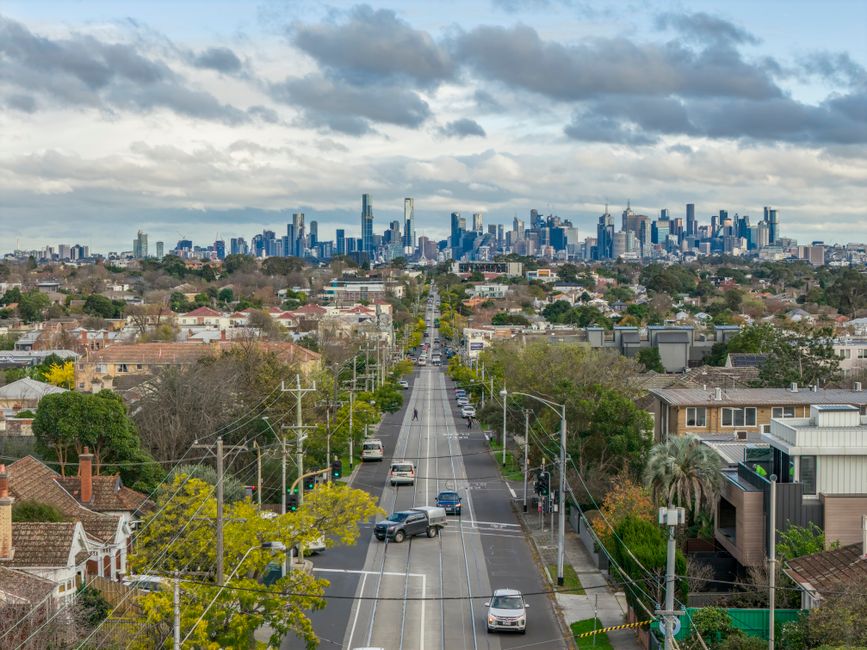
What makes a suburb genuinely great to live in is never just one thing. It is the accumulation of walkability, school quality, public transport frequency, green space, community character, retail and dining variety, safety perception and the price of entry relative to lifestyle received. In Melbourne in 2026, the best suburbs balance these factors in ways that suit the specific season of life of each resident. A young professional seeking nightlife proximity and co-working cafe culture will make a completely different choice from a family weighing school catchments and park access, just as a retiree downsizing from a large home will prioritise different amenities from a first home buyer stretching to enter the market. This guide covers Melbourne's top suburb picks for each of these buyer profiles in 2026, along with realistic price expectations for each.
For families in Melbourne in 2026, two suburbs stand above the field. Glen Waverley in the south-east has long been regarded as Melbourne's premier family suburb, underpinned by the Glen Waverley Secondary College zone which draws buyers from across the city who value its strong academic results and co-curricular programs. Median house prices in Glen Waverley sit at approximately $1.28 million in 2026, reflecting the premium placed on its school zone, The Glen shopping centre, direct Pakenham line access and leafy streetscapes. For families seeking strong family infrastructure at a lower price point, Templestowe Lower in the north-east offers excellent primary and secondary schooling, extensive parkland along the Yarra floodplain, and median house prices around $1.05 million. For young professionals seeking the vibrant cafe, bar and creative culture that Melbourne does better than any other Australian city, Fitzroy North is the 2026 standout. Brunswick Street, Lygon Street and Edinburgh Gardens are all within easy reach, and the suburb's median house price of approximately $1.35 million is countered by a strong apartment and terrace market from $680,000 for a one to two bedroom home. Neighbouring Northcote offers a very similar lifestyle with a slightly more accessible median of $1.18 million and its own thriving High Street dining and music strip.
For retirees and downsizers in 2026, the beachside suburb of Sandringham on Port Phillip Bay represents one of Melbourne's finest options. Its Edwardian and mid-century streetscapes, direct Frankston line access to the CBD in around 40 minutes, beach and foreshore walking paths, independent retailers on Station Street and strong community networks through local bowls clubs, sailing and choral groups make it a deeply liveable proposition. Median house prices in Sandringham sit at approximately $1.45 million, while well-maintained two to three bedroom townhouses can be found from $950,000 to $1.1 million. For retirees seeking greater affordability without sacrificing lifestyle, Williamstown on the western bay offers similar maritime character, heritage streetscapes, a vibrant cafe strip along Ferguson Street and excellent yacht club and walking infrastructure at a slightly lower median of approximately $1.22 million. First home buyers in 2026 are looking at Lalor and Epping in the north, where three-bedroom houses can still be secured between $540,000 and $650,000 within manageable distance of the South Morang rail extension and employment along the northern growth corridor.
The one Melbourne suburb to watch as an up-and-coming area with genuine early mover opportunity in 2026 is Sunshine. Located just 13 kilometres west of the Melbourne CBD on the Sunbury train line, Sunshine is currently undergoing a transformation that mirrors the trajectory Footscray followed a decade earlier. The suburb has been designated as a key node on the Melbourne Airport Rail Link corridor, attracting both state government and private investment into the surrounding precinct. Victoria University's Sunshine campus anchors a student population that supports cafes, co-working spaces and retail, and a new wave of young families and creative professionals are purchasing ahead of what many analysts believe will be an above-market price run as infrastructure completes. Median house prices in Sunshine sit at approximately $820,000 in mid-2026, representing genuine value for a suburb with this level of infrastructure investment, connectivity and cultural energy. Those who buy early in Sunshine in 2026 may look back on it as one of the most well-timed purchases they ever made.
This article was compiled by AI from the sources linked above and screened before publishing. See our editorial standards.
About this article
Published by The Daily Melbourne
Daily brief
Free, in your inbox before 7am. Weekdays.
You might also like
Free daily briefing