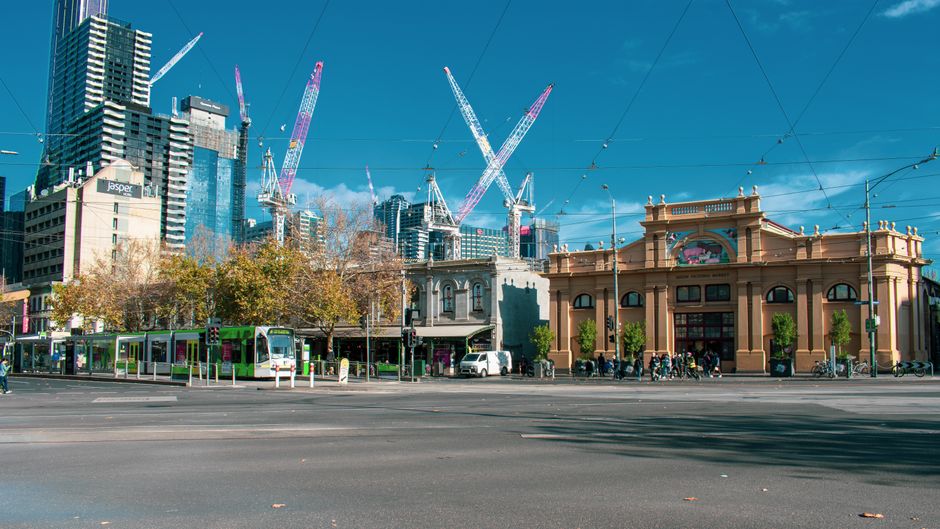
Some of the buildings that define Melbourne's skyline were drawn by a handful of local architecture studios whose influence now extends well beyond the city. Fender Katsalidis, the Melbourne-founded practice behind Eureka Tower and the striking galleries of the Museum of Old and New Art in Hobart, is among the clearest examples of a Melbourne design sensibility travelling interstate.
Design as a national export
For much of the past two decades, Melbourne's larger practices have won work in other capitals and regional centres as developers competed on architecture rather than location alone. The result is a recognisable design language, generous glazing, considered massing and a focus on shared amenity, appearing in projects from Hobart to Canberra.
Industry commentators say this matters to buyers because architectural pedigree has become a more explicit part of how new apartments are marketed and valued. A well-resolved building tends to hold its appeal through market cycles, and the involvement of an established practice is often read as a signal of quality in an off the plan purchase, where buyers commit before they can walk through a finished home.
The Canberra example
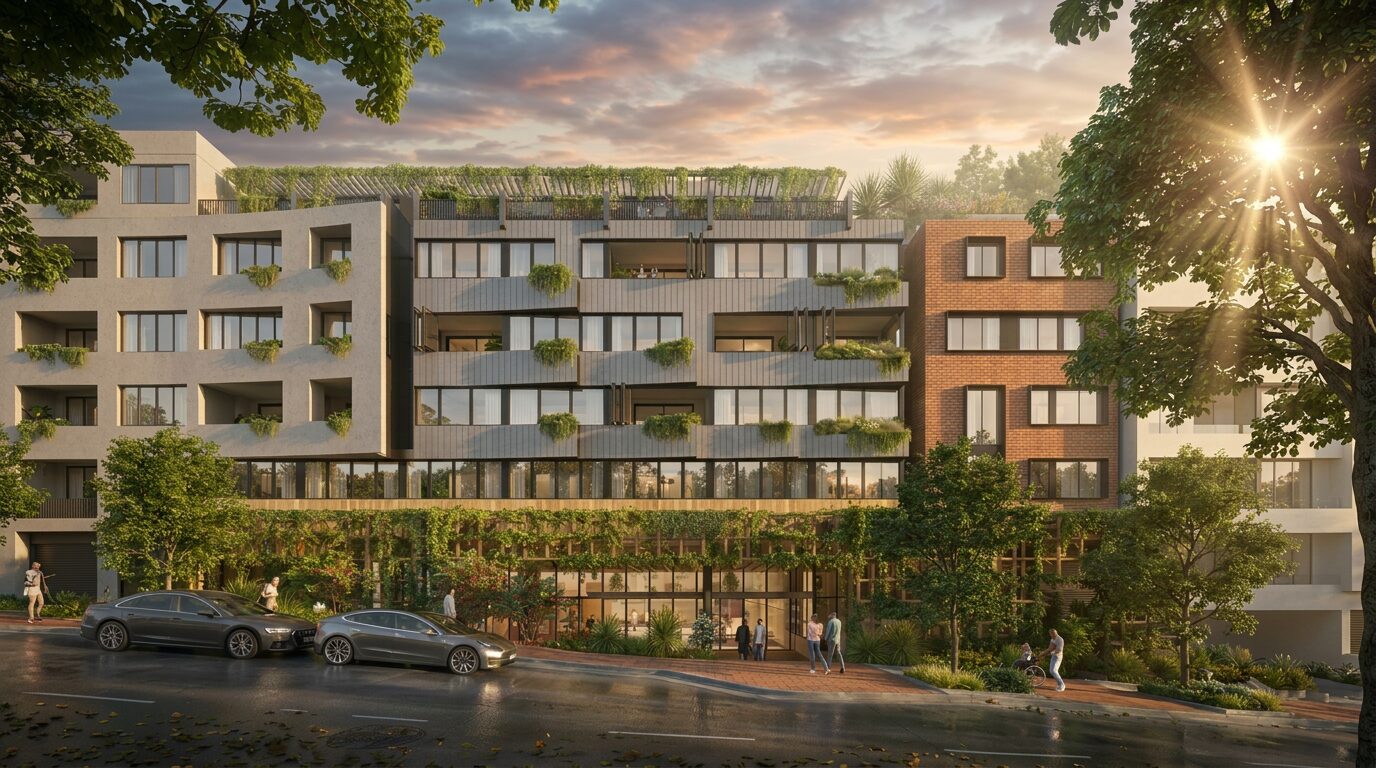
One current project illustrating the reach of Melbourne design is The Lawson, a 244-apartment development beside Lake Ginninderra in Canberra's Belconnen, designed by Fender Katsalidis with interiors by Bond Theory. Its first stage, Haven, is selling with two-bedroom apartments priced from under $500,000, positioned around a shared amenity level that includes a pool, gym and residents lounge.
"Melbourne buyers who look interstate tend to recognise the design language straight away," said Gaurav Pahwa of Apartment Collective, who has worked in off the plan sales for more than seven years. "When they see a practice they associate with landmark Melbourne buildings, it gives them confidence about the quality of what they are committing to, even from a distance."
Why Melbourne investors diversify
Beyond design, some Melbourne investors have looked to smaller markets to balance a home city where apartment supply has run ahead of demand in parts of the inner and middle rings. Markets with tighter supply and firmer rental conditions, such as Canberra, have drawn interest from buyers seeking steadier yields, currently in the range of 4.5 to 6 per cent, and lower vacancy than they might find closer to home.
Analysts stress that architecture alone does not guarantee a good investment, and that buyers should weigh location, rental demand and running costs. But the growing willingness of Melbourne buyers to follow a trusted design studio interstate points to how much the reputation of a building's architect now shapes purchasing decisions.
Inquiries through Apartment Collective: 1800 311 975 or hello@apartmentcollective.com.au
This article was compiled by AI and screened before publishing. See our editorial standards.