Fishermans Bend precinct reaches 5,000 residents as new schools and parks open
The transformation of a former industrial area into Melbourne's newest inner urban neighbourhood is accelerating.
2 min read
The transformation of a former industrial area into Melbourne's newest inner urban neighbourhood is accelerating.
2 min read

Fishermans Bend, Melbourne's ambitious urban renewal of a former industrial precinct just south of the CBD, has reached 5,000 residents as the delivery of schools, parks, and community facilities begins to build the neighbourhood infrastructure needed to support its ultimate population of 80,000.
Two new schools opened this year within the precinct — a primary campus in the Sandridge neighbourhood and a secondary campus shared between the Wirraway and Lorimer precincts — addressing what had been a significant barrier to family settlement in the area. A new 1.2-hectare park in the Montague precinct, featuring a children's play area and community garden, opened last month and has already become a focal point for the growing residential community.
Department of Transport and Planning director of Fishermans Bend activation Michael Sutherland said the pace of residential development was accelerating, with more than 3,200 apartments approved or under construction in the precinct at the end of the most recent quarter. "We are now past the tipping point where the precinct has enough residents to support the retail and services that make urban living genuinely convenient," he said.
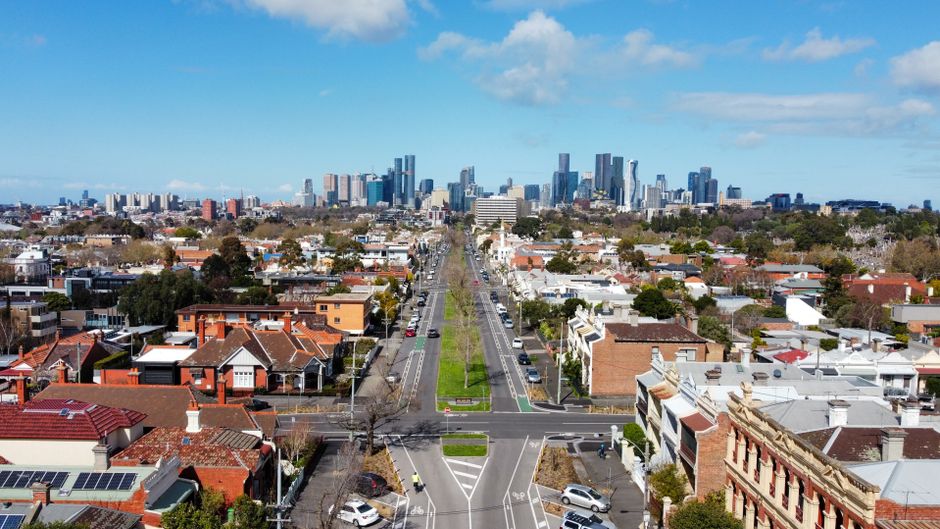
The Montague precinct, immediately south of the CBD at the end of Clarendon Street, is the furthest advanced, with several apartment towers completed and a growing ground-floor hospitality offering. The southern precincts closer to the Port of Melbourne are at earlier stages, with the industrial activity that remains operating under coexistence arrangements while land values and redevelopment incentives gradually trigger transitions.
A tram extension from the current Lorimer Street terminus into the heart of the precinct is now in detailed planning, with the Department of Transport and Planning targeting delivery within three years.
This article was compiled by AI from the sources linked above and screened before publishing. See our editorial standards.
About this article
Published by The Daily Melbourne
Daily brief
Free, in your inbox before 7am. Weekdays.
You might also like
Free daily briefing