Melbourne Rental Yields Hit 4%: Investment Guide 2024
Melbourne investors shift focus to rental yield as migration drives demand. Discover which suburbs offer 4%+ gross yields and why Frankston leads the market.
2 min read
Melbourne investors shift focus to rental yield as migration drives demand. Discover which suburbs offer 4%+ gross yields and why Frankston leads the market.
2 min read
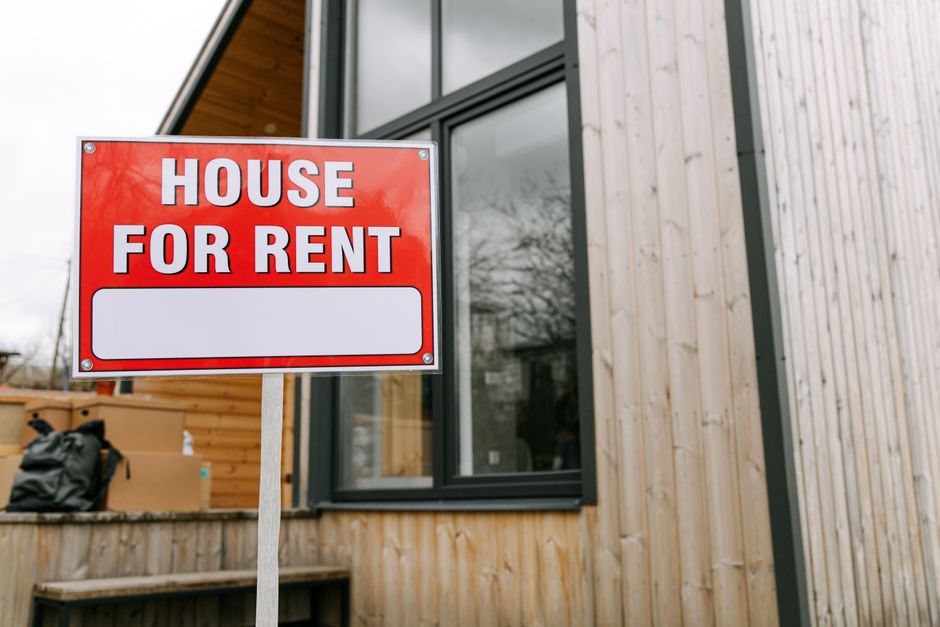
Melbourne's rental market is experiencing a remarkable shift, with investors increasingly viewing yield over capital growth as migration-fuelled demand outpaces housing supply across the city.
Data shows gross rental yields in established investment corridors now regularly exceed 4%, a significant improvement from the sub-3% returns that dominated the market just 18 months ago. For investors fatigued by years of chasing capital appreciation, the maths is suddenly compelling again.
"We're seeing genuine interest return to the yield conversation," says property strategist James Chen. "Investors are finally asking themselves whether they're buying for cash flow or banking on price growth—and many are choosing cash flow."
The Frankston corridor has emerged as the standout performer. Properties along the Nepean Highway and in suburbs like Carrum Downs and Langwarrin are attracting investor attention, with median unit prices hovering around $520k yet delivering annual rental returns of $22,000–$24,000. That's closer to a 4.5% gross yield—exceptional by recent standards.
But the real opportunity lies slightly further afield. Suburbs like Werribee and Hoppers Crossing, traditionally overlooked by city-centric investors, are now delivering 4.2–4.6% yields on properties priced $480k–$550k. The Western growth corridor's infrastructure improvements and continued migration inflow are reshaping investor psychology.
The Inner East remains premium territory. Camberwell and Surrey Hills command median prices of $880k–$950k for houses, translating to lower gross yields around 3.2–3.5%, yet investor demand remains strong—a reminder that location prestige still commands a premium, even in a yield-focused market.
Bayside suburbs present a middle ground. Brighton and Sandringham offer median house prices of $1.35m–$1.55m with gross yields approaching 3.8–4%, appealing to investors with larger capital bases seeking both location cachet and improved income.
The rental market itself is tightening. Recent migration patterns suggest Victoria's population growth is outpacing dwelling construction, creating genuine supply constraints. Vacancy rates across metropolitan Melbourne remain historically low, typically between 1.5–2%, putting upward pressure on rents.
However, investors shouldn't ignore the macro picture. While yields are improving, interest rates remain elevated, and refinancing costs can erode returns substantially. The Reserve Bank's next moves remain uncertain, adding complexity to long-term yield projections.
For Melbourne investors, the message is clear: the yield conversation has returned to the table. But success still depends on selecting locations with strong fundamentals—population growth, employment hubs, and infrastructure development—rather than chasing yield numbers alone.
This article was compiled by AI from the sources linked above and screened before publishing. See our editorial standards.
About this article
Published by The Daily Melbourne
Daily brief
Free, in your inbox before 7am. Weekdays.
You might also like
Property
Property
Property
Property
Free daily briefing