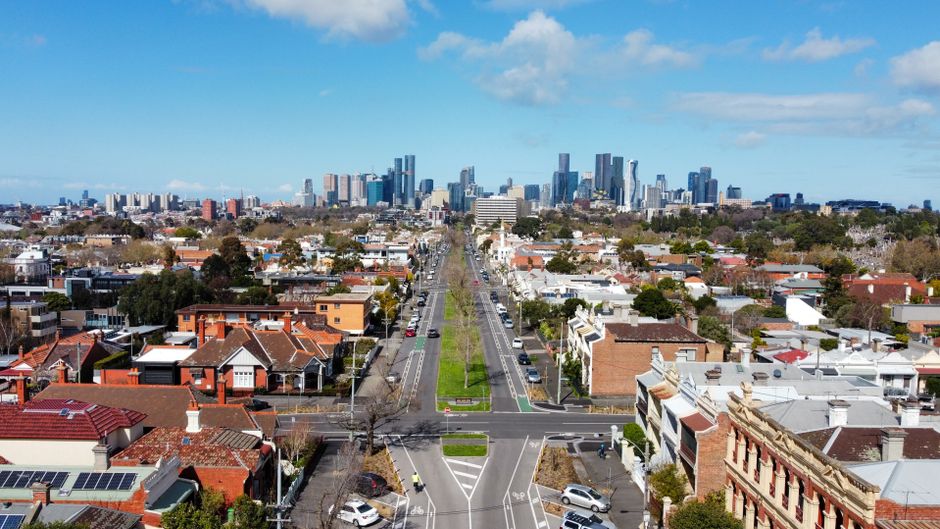
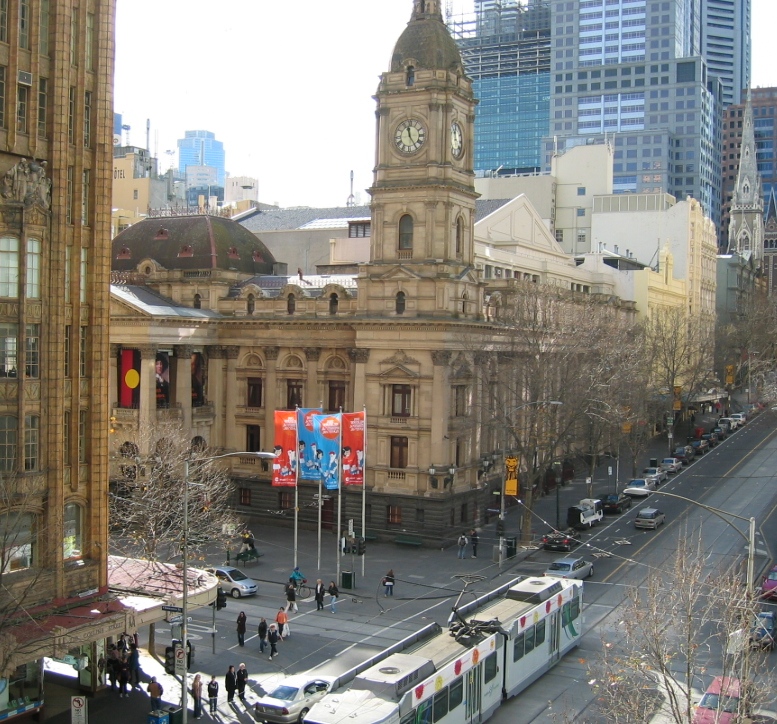
Melbourne crosses six million residents, cementing its status as Australia's largest city
The ABS estimates Melbourne overtook Sydney in population in the year just ended, driven by record overseas migration.
2 min read
The ABS estimates Melbourne overtook Sydney in population in the year just ended, driven by record overseas migration.
2 min read

Melbourne has officially become Australia's most populous city after the latest Australian Bureau of Statistics estimates confirmed the metropolitan area crossed six million residents in the year just ended, overtaking Sydney for the first time since the 1890s.
The milestone was reached on the back of the highest overseas migration intake in Victoria's history, with international students, skilled workers on employer-sponsored visas, and humanitarian entrants all contributing to net population growth of approximately 145,000 over the 12-month period. Melbourne has attracted a disproportionate share of international migrants due to its university presence, its multicultural community networks, and its employment market.
Premier Jacinta Allan said the population milestone reflected Melbourne's status as one of the world's most liveable and economically dynamic cities. However, she acknowledged that managing the growth sustainably required continued investment in housing, transport, and community services. "Six million is a number to be proud of, but it comes with responsibilities," she said.
Housing analysts said the population surge was exacerbating Melbourne's already tight rental market, with vacancy rates at historic lows and median weekly rents for apartments in the inner suburbs having increased by more than 22 per cent over three years. The state government's Housing Statement, which commits to 800,000 new dwellings over a decade, was developed specifically in response to this trajectory.
Melbourne's economic output as a metropolitan area now exceeds $500 billion annually, making it the largest single economic zone in Australia by a margin that will widen as the Suburban Rail Loop and other infrastructure investments enhance productivity.
This article was compiled by AI from the sources linked above and screened before publishing. See our editorial standards.
About this article
Published by The Daily Melbourne
Daily brief
Free, in your inbox before 7am. Weekdays.
You might also like
Free daily briefing