Renting in Melbourne 2026: Prices, Rights and What Tenants Need to Know
The Melbourne rental market in 2026 - median rents, tenant rights under VIC law, and tips for securing a rental.
3 min read
The Melbourne rental market in 2026 - median rents, tenant rights under VIC law, and tips for securing a rental.
3 min read
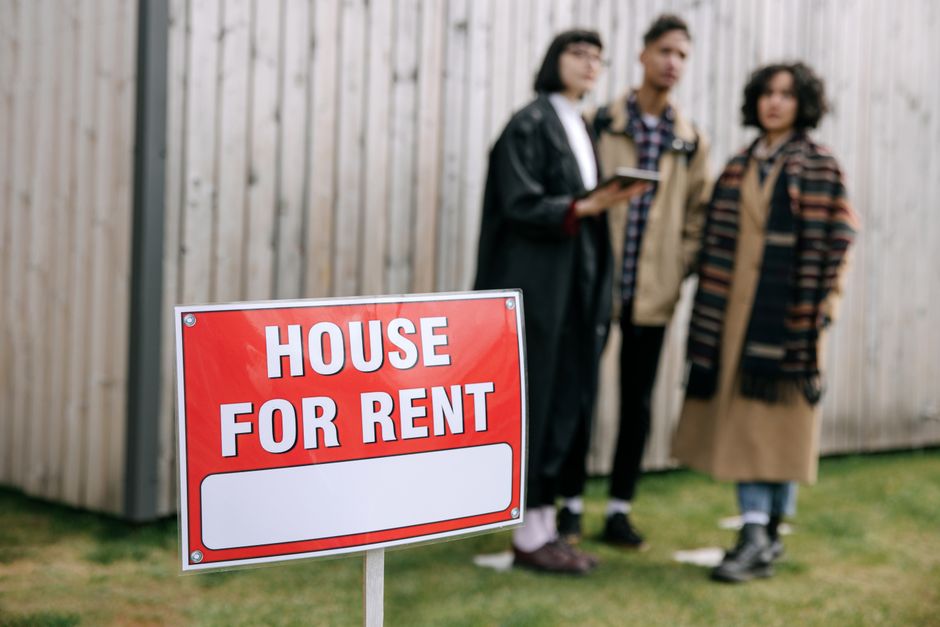
Renting in Melbourne in 2026 remains challenging, with tight vacancy rates and strong competition for available properties pushing rents to record levels. The median weekly rent for a one-bedroom apartment in Melbourne's inner suburbs sits at approximately $420 per week, rising to $570 per week for a two-bedroom unit and $750 per week or more for a three-bedroom house in desirable middle-ring suburbs. In affordability-focused areas such as Broadmeadows, Sunshine and Dandenong, two-bedroom homes can still be found for $380 to $450 per week, though competition for these properties is fierce. For tenants new to Melbourne, understanding the rental landscape and your legal rights is essential before signing any lease.
Tenants in Victoria are protected by the Residential Tenancies Act 1997, which was significantly strengthened through 2021 reforms that continue to apply in 2026. Under Victorian law, landlords cannot increase rent more than once every twelve months, and they must provide 60 days' written notice before any rent increase takes effect. Tenants have the right to request repairs and maintenance in writing, and landlords are legally required to keep the property in a reasonable state of repair. Victoria also offers some of the strongest renter protections in Australia around rental modifications, with tenants now able to make certain minor modifications without landlord consent. Consumer Affairs Victoria operates the Residential Tenancies Bond Authority (RTBA) to hold all bond funds, and tenants should ensure their bond is lodged with the RTBA upon payment.
Winning a rental application in Melbourne's competitive 2026 market requires preparation and presentation. Having all documentation ready before inspections dramatically improves your chances: this includes 100 points of ID, three to six months of bank statements, two to three rental references from previous landlords, and proof of income such as recent payslips or a letter of employment. A cover letter addressed to the property manager and agent explaining why you are the ideal tenant for this specific property can differentiate your application from the dozens received for a single listing. Offering to pay a larger bond or advance rent is not permitted under Victorian tenancy law, so focus instead on presenting a thorough, honest and complete application. Applying promptly after an inspection, within hours if possible, signals motivation and reliability to property managers.
The rental market outlook for Melbourne tenants in 2026 remains tough in the short term. Supply of new rental stock is not expected to catch up with population growth until at least 2027, meaning competition is likely to persist. The Victorian government has introduced various measures to encourage landlords to keep properties available and to improve social housing supply, but the structural undersupply cannot be resolved quickly. Tenants who are able to consider outer suburbs or municipalities served by the expanded train network are likely to find more choice and better value. For longer-term renters, engaging Consumer Affairs Victoria or the Victorian Civil and Administrative Tribunal (VCAT) to resolve any disputes with landlords is straightforward and free, providing genuine recourse without requiring a lawyer.
This article was compiled by AI from the sources linked above and screened before publishing. See our editorial standards.
About this article
Published by The Daily Melbourne
Daily brief
Free, in your inbox before 7am. Weekdays.
You might also like
Finance
Finance

Finance

Finance
Free daily briefing