Melbourne's West: The Creative Reinvention of Working-Class Suburbs
Footscray, Sunshine, and Brimbank are being transformed by culture and community.
4 min read
Footscray, Sunshine, and Brimbank are being transformed by culture and community.
4 min read
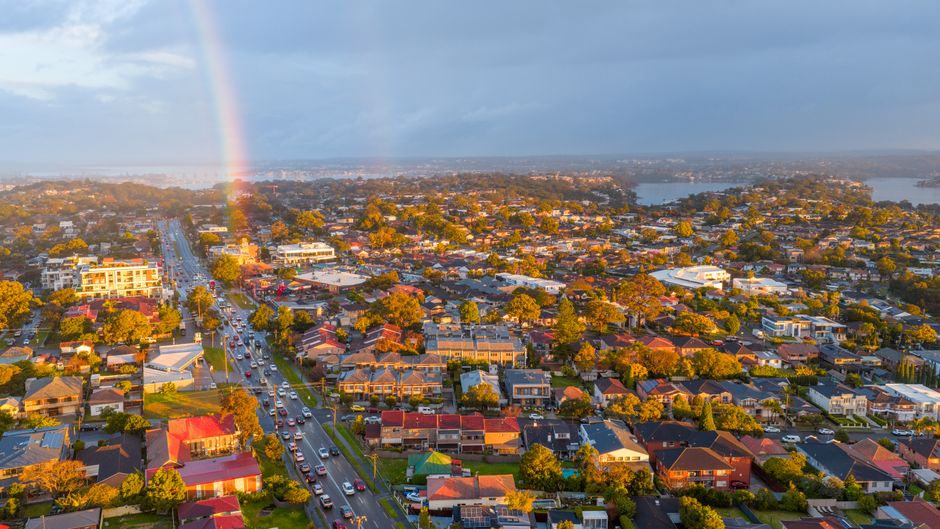
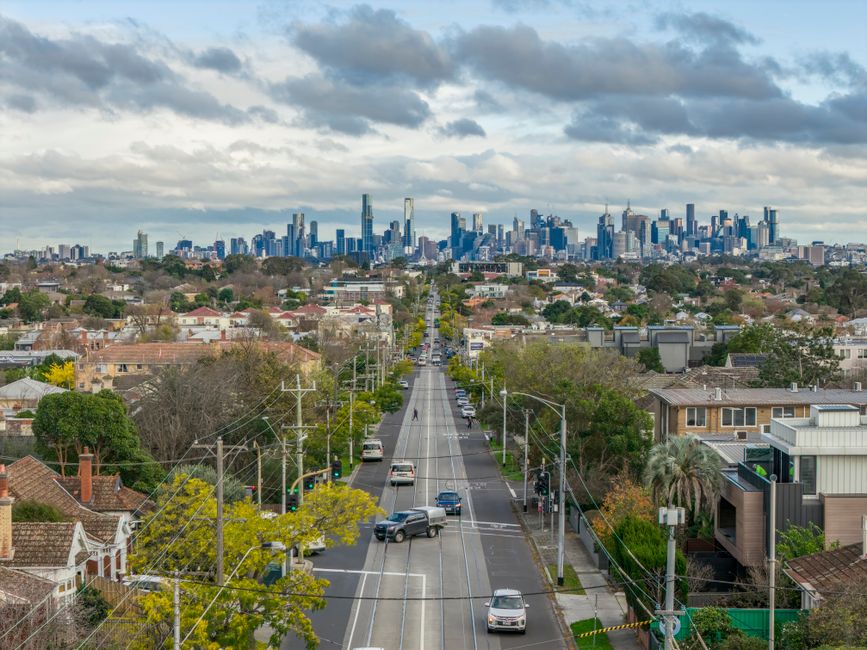
Melbourne's inner and the middle western suburbs, the industrial and the working-class belt from Footscray through Sunshine and the Brimbank corridor that the postwar manufacturing economy populated with the factory workers, the railway workers, and the migrant families from Greece, Italy, Vietnam, and more recently from the Horn of Africa and the Pacific Islands who found the affordable housing and the factory employment in the west that the more expensive inner suburbs did not provide, are undergoing the cultural and the economic transformation that the affordable property prices relative to the eastern suburbs and the inner south, the arts community's migration to the west for the studio space and the creative community, and the food culture of the diverse migrant communities have created as the Melbourne west's reinvention story. The western suburbs' transformation, following the arc of the inner-city gentrification that the Melbourne east and the south underwent in the 1980s and 1990s, is creating the culturally diverse and the creatively active communities in the west that the suburb's affordable entry point and the multicultural character attract the young creative, the small business entrepreneur, and the growing family whose property budget the eastern equivalent does not accommodate.
Footscray, the inner-western suburb whose Vietnamese and the Sudanese communities, the independent café culture of Barkly Street, and the arts events of the Footscray Arts Centre have created the inner suburb identity that the Melbourne creative community is claiming as the west's equivalent to the Fitzroy and the Collingwood of the eastern inner suburbs, provides the most developed example of the western suburb's cultural transformation and the most visible evidence that the west is developing the cultural infrastructure and the community identity that sustains the neighbourhood appeal beyond the affordability advantage that the property price comparison with the eastern suburbs creates as the primary driver of the migration westward. The Footscray food culture, the Vietnamese restaurant of the Hopkins and the Leeds Street corners and the diverse market food of the Footscray Market that the Vietnamese, the Asian, and the African food businesses sustain as the most culturally diverse food precinct in Melbourne, creates the culinary destination that the Melbourne food lover from the eastern suburbs discovers as the food tourism that the west's diversity provides.
The Sunshine town centre and the Brimbank Council area, the middle western residential and the commercial hub whose diverse population of the Pacific Islander, the Vietnamese, the Indian, and the working-class Anglo Australian communities creates the multicultural character that the Brimbank council serves with the cultural programs and the community services that the diverse population requires for the access to the services and the cultural expression that the multicultural community's needs sustain. The Sunshine industrial heritage, the Albion railway workshops and the manufacturing history that the western suburbs' economic identity was built upon in the twentieth century, is being partially replaced by the logistics, the manufacturing services, and the construction services businesses that the industrial zoning of the western suburbs continues to sustain alongside the retail and the commercial development of the Sunshine town centre.
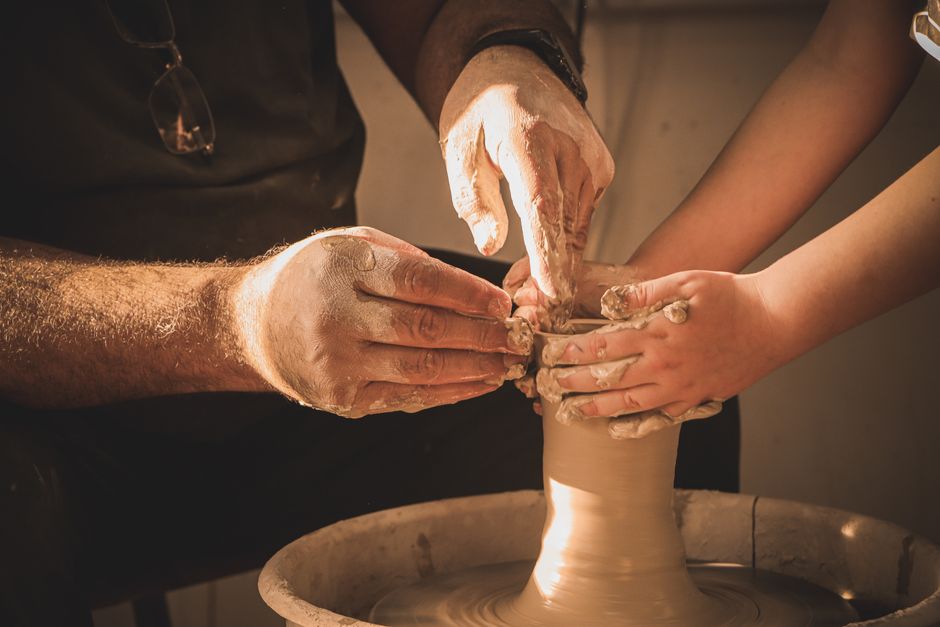
The arts and the cultural infrastructure of the western suburbs, the Footscray Arts Centre, the Western Bulldogs' social media and the community programs that the AFL club uses to engage the western community, and the festivals and the events that the western councils and the community organisations program for the multicultural communities of the west, create the cultural life that the affordable western suburbs are developing as the complement to the creative economy that the studio artists and the small creative businesses are building in the industrial conversion spaces and the vacant commercial premises that the western suburbs' lower rents make available for the creative sector's spatial needs. The western suburbs' arts and the cultural scene, more dispersed and less concentrated than the Fitzroy and the Collingwood equivalent of the eastern inner city, creates the neighbourhood cultural assets that sustain the community identity and the creative reputation that the west is building as the Melbourne creative community's newest geography.
This article was compiled by AI from the sources linked above and screened before publishing. See our editorial standards.
About this article
Published by The Daily Melbourne
Daily brief
Free, in your inbox before 7am. Weekdays.
You might also like
Free daily briefing