New to Melbourne? Here's Your Essential Moving Guide
Navigate trams, laneways, footy culture, and key logistics for settling into Australia's most liveable city.
2 min read
Navigate trams, laneways, footy culture, and key logistics for settling into Australia's most liveable city.
2 min read
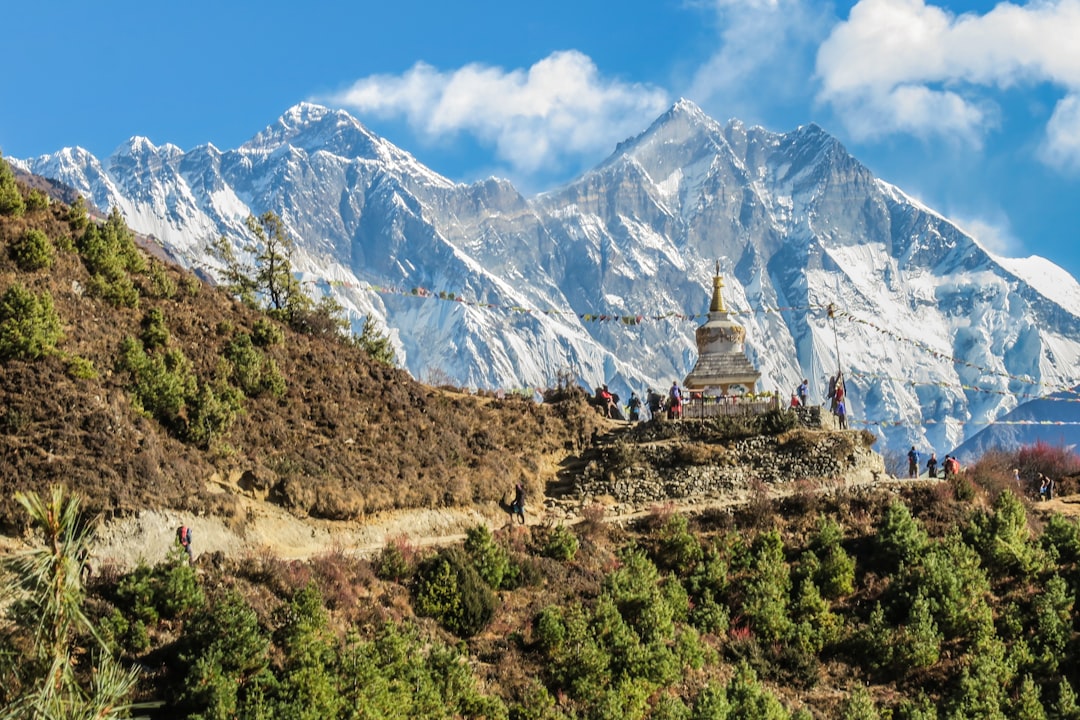
Melbourne is Australia's most liveable city by most international benchmarks and consistently the preferred destination for interstate and international migrants seeking cultural depth, culinary variety, and a city built for walking and cafe-going. The city's grid layout, extensive tram network, and strong inner-suburb character make it unusually approachable for newcomers compared to Sydney's complex geography.
Where to live — the inner north (Fitzroy, Collingwood, Brunswick, Northcote) is the progressive, artistic, cafe-dense neighbourhood cluster that defines Melbourne's cultural reputation. The inner east (Hawthorn, Richmond, South Yarra) provides the established professional suburb character with good schools and retail. The inner west (Footscray, Yarraville, Seddon) offers multicultural food culture and value. South Melbourne, Port Melbourne, and Albert Park suit the sea-adjacent professional. The outer north and west (Sunbury, Melton, Wyndham) provide family space at accessible price points on the growth corridors.
Getting around — Melbourne's free tram zone in the CBD is the best introduction to a tram network that spans most inner suburbs. The metropolitan train lines reach all major suburban centres. Cyclists benefit from an expanding protected lane network particularly strong in the inner north and west.
Schools — Melbourne's selective school network (Melbourne High, Mac.Robertson Girls) is highly competitive. The established private school corridor along the Yarra (Melbourne Grammar, Scotch, Xavier, Carey, Methodist Ladies' College) concentrates educational prestige in the inner east.
Jobs — Melbourne's professional economy spans financial services, legal services, healthcare (the largest health precinct in the southern hemisphere along Royal Parade), education (eight universities), and a growing technology sector clustered around the Melbourne Connect innovation precinct.
What surprises people — the weather variability. Four seasons in one day is not a cliche. A winter coat is useful in July even if it was 20 degrees last week.
This article was compiled by AI and screened before publishing. See our editorial standards.
Partner Content
SponsoredPartner Content lets Melbourne businesses reach engaged local readers with a clearly labelled, editorial-style feature. Every placement is marked Sponsored, in line with our sponsored content policy.
Business details including hours, menus and offerings may change. Verify directly with the venue before visiting.
About this article
Published by The Daily Melbourne
Daily brief
Free, in your inbox before 7am. Weekdays.
You might also like
Community
Community
Community
Community
Free daily briefing
The Daily Network