Melbourne's Housing Heat Intensifies as Council Greenlights Mixed-Use Development Near Footscray Station
This week's planning decisions signal a shift toward higher-density urban renewal, but affordability concerns loom large.
3 min read
This week's planning decisions signal a shift toward higher-density urban renewal, but affordability concerns loom large.
3 min read
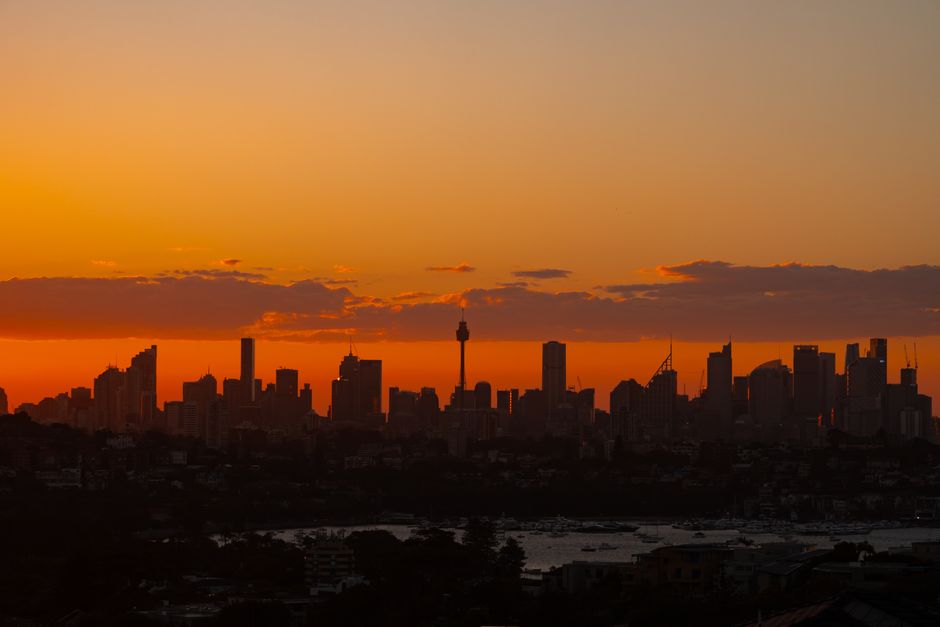
Melbourne's housing landscape shifted markedly this week as Maribyrnong City Council unanimously approved a major mixed-use development proposal that will reshape the precinct around Footscray Station, marking the most significant planning approval for the inner-west suburb in five years.
The $280 million project, which will combine 412 residential apartments with ground-floor retail and office space, represents a turning point in the city's response to its chronic housing shortage. Median residential property prices across greater Melbourne now hover near $850,000, pricing out swathes of first-time buyers despite wage stagnation.
The approval comes amid heightened scrutiny of Victoria's planning processes. Earlier this month, the Department of Jobs, Precincts and Regions flagged concerns about housing supply targets, noting that Melbourne needs approximately 15,000 additional dwellings annually to meet demand through 2051. Current construction rates fall roughly 3,000 units short of this benchmark each year.
However, the Footscray approval has drawn mixed reactions from community groups. The Inner West Housing Alliance, an advocacy organisation representing residents across Maribyrnong and Moonee Valley, welcomed the density but questioned affordability provisions. The development mandates just 7 per cent affordable housing—below the 10 per cent target recommended by the Victorian Council of Social Service.
"We're seeing the right buildings go in the right places," said a spokesperson for the Planning Institute Australia's Victorian chapter, "but without stronger inclusionary zoning requirements, we risk creating new ghettos of unaffordability."
The decision also reflects broader tensions within Melbourne's planning apparatus. Last Tuesday, the City of Melbourne's Future Melbourne Committee deferred a decision on proposed restrictions for short-term rental accommodation in Fitzroy and Carlton, citing conflicting evidence about impacts on long-term rental availability. That vote will reconvene next month.
Meanwhile, pressure continues to mount on state and local governments to reform planning timelines. Development applications in inner Melbourne now routinely take 18–24 months to navigate assessment, a lag that developers argue inflates construction costs and ultimately raises final dwelling prices.
Property analysts predict these dynamics will persist throughout 2026. CoreLogic data released Friday showed rental vacancy rates across inner Melbourne at 1.2 per cent—dangerously tight by any standard—while advertised rents in suburbs like Brunswick and Coburg have climbed 8 per cent year-on-year.
The Footscray Station development is expected to commence construction in early 2027, with completion targeted for 2030. Whether similar approvals follow remains uncertain, as councils weigh community concerns against state-mandated housing targets.
This article was compiled by AI from the sources linked above and screened before publishing. See our editorial standards.
About this article
Published by The Daily Melbourne
Daily brief
Free, in your inbox before 7am. Weekdays.
You might also like
News
News
News
News
Free daily briefing