Melbourne's Transport Crossroads: Which Projects Get Priority as Budget Crunch Looms?
With the state budget under pressure and competing demands for major upgrades, transport planners face critical decisions on what gets funded next.
3 min read
With the state budget under pressure and competing demands for major upgrades, transport planners face critical decisions on what gets funded next.
3 min read
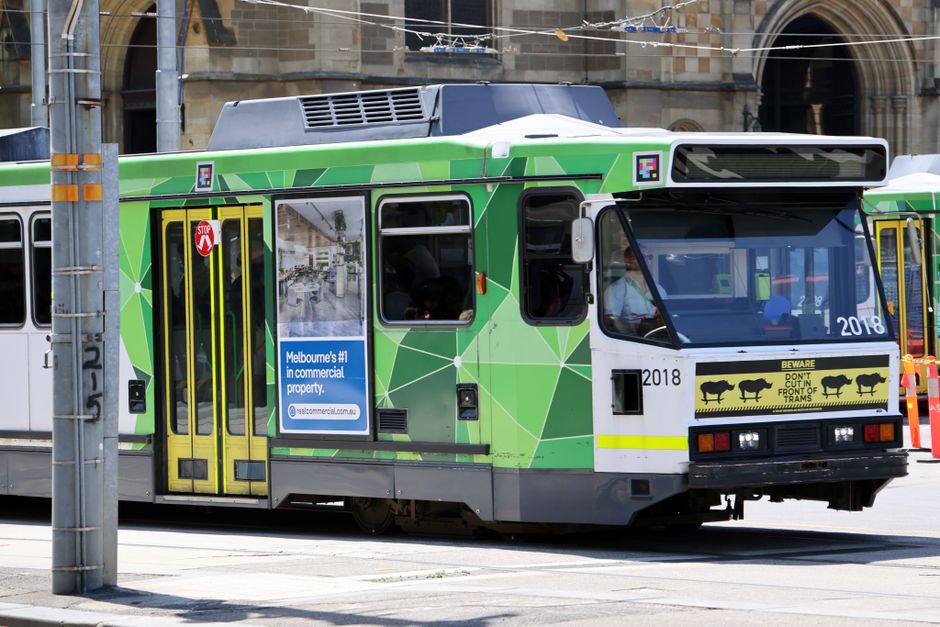
Melbourne's transport infrastructure sits at a pivotal moment. The city has delivered significant wins in recent years—the Metro Tunnel integration, the Suburban Rail Loop's early stages, tram network expansions—but ahead lies a crucial series of decisions that will shape commuter life for decades.
The critical question now is prioritisation. The State Government's commitment to complete the Suburban Rail Loop remains firm, but the second stage—extending from Cheltenham through Box Hill to Reservoir—requires finalisation of funding arrangements within the next 18 months. Simultaneously, the Level Crossing Removal Project nears completion, with just over a dozen remaining sites. The decision framework for which crossings get tackled next will signal whether Melbourne prioritises outer suburbs or inner-ring efficiency.
In the CBD, the Elizabeth Street upgrade continues reshaping the city's spine, but competing visions exist for how Southbank's transport network should evolve. The river precinct remains poorly connected to the northern suburbs, and the Yarra crossing debate—particularly around a potential new crossing near Cremorne—remains unresolved. Infrastructure Victoria's recent advice highlighted this gap, yet budgetary constraints mean the conversation has shifted from "if" to "when and how."
For tram users, expansion appetite exists but funding reality differs. The proposed Fishermens Bend light rail corridor remains in planning limbo, despite that precinct's rapidly growing residential population. Similarly, the Doncaster tram line concept—mooted for years—competes with proposals for bus rapid transit along the same route. This decision will cascade: choose light rail and you're committing $2-3 billion; choose enhanced buses and you preserve flexibility but potentially limit capacity.
Perhaps most urgently, the Western Suburbs face a critical juncture. The Sunshine to Melton corridor, servicing sprawling growth areas, requires either substantial rail investment or acceptance that buses will remain primary. The regional rail picture is equally complex, with the Regional Rail Revival program's trajectory dependent on equipment procurement decisions due within months.
What makes this moment different is that Melbourne's growth isn't slowing. Western Melbourne's population is projected to exceed 1.5 million by 2050. Without decisive infrastructure choices now, congestion compounds exponentially.
The conversations happening in Transport Victoria's Spencer Street offices in the coming months won't make headlines. But they will determine whether a commuter from Melton catches a train or sits in traffic, whether Doncaster residents embrace trams or buses, and whether the city's south achieves genuine connectivity. For Melbourne, the decisions ahead matter more than the projects behind.
This article was compiled by AI from the sources linked above and screened before publishing. See our editorial standards.
About this article
Published by The Daily Melbourne
Daily brief
Free, in your inbox before 7am. Weekdays.
You might also like
News
News
News
News
Free daily briefing