How Melbourne's Planning Wars Led to Today's Council Gridlock
A decade of contentious development decisions, population pressure, and shifting political priorities has created the perfect storm for local government dysfunction.
3 min read
A decade of contentious development decisions, population pressure, and shifting political priorities has created the perfect storm for local government dysfunction.
3 min read
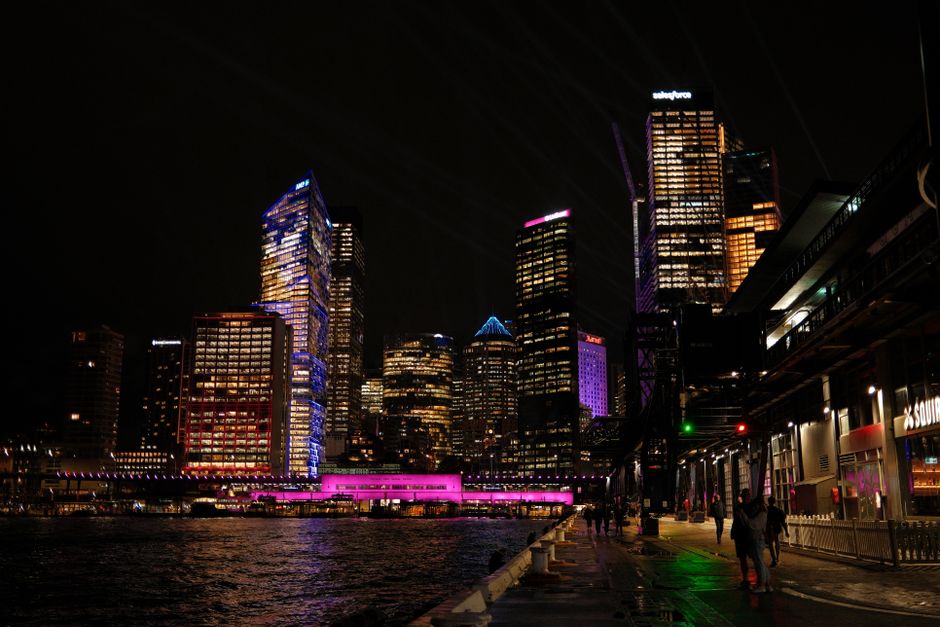
Melbourne's City Council chambers have become a battleground, but understanding today's paralysis requires rewinding to 2016—when the council first grappled with a population explosion that would reshape the city's political landscape.
The trigger was simple mathematics. Melbourne's population surged by over 100,000 residents between 2015 and 2020, with much of that growth concentrated in the inner suburbs. Developers seized the opportunity, lodging applications for high-rise apartments across Southbank, St Kilda Road, and the Docklands precinct. Median apartment prices climbed from $450,000 in 2015 to over $650,000 by 2023.
But growth created friction. Residents in established neighbourhoods like Fitzroy, Collingwood, and South Yarra—traditionally Labor strongholds—began resisting what they saw as overdevelopment. Local traders on Smith Street and Chapel Street complained about construction impacts on foot traffic. The council's relationship with community groups fractured when planning approvals seemed to favour developer interests over heritage concerns.
The 2020 council elections became a referendum on this tension. Three new independent councillors emerged, all running explicitly against "business-as-usual" development approvals. Meanwhile, state government planning reforms introduced by Planning Minister Richard Wynne in 2017 had already shifted power away from councils toward ministerial approval for major projects, creating resentment among locally elected representatives who felt sidelined.
Fast-forward to today. Council is split between growth advocates and those pushing for stricter controls. This 6-9 division has made basic governance difficult. The contentious Queen Victoria Market redevelopment proposal—estimated at $120 million—sits in limbo. Council meetings regularly extend past midnight as factions battle over planning overlays and neighbourhood character statements.
Budget pressures compound the dysfunction. Ratepayer anger over a 3.5 per cent rate rise in 2024, combined with reduced federal funding for local services, has made councillors cautious about any decision that might provoke community backlash. The result: paralysis masquerading as deliberation.
Infrastructure hasn't kept pace either. The Hoddle Street corridor remains congested. Public transport connections to newer apartment clusters in Docklands remain inadequate. Schools in growth areas are overcrowded. These failures fuel resident frustration and make council less trusted to manage future development.
What's crucial to understand is this: Melbourne's current governance crisis isn't accidental. It's the accumulated consequence of a decade where explosive growth met inadequate planning, state-level power grabs undermined local democracy, and community voices fractured into opposing camps with little common ground.
Until council addresses these underlying tensions—rather than simply trading votes—gridlock will remain the default.
This article was compiled by AI from the sources linked above and screened before publishing. See our editorial standards.
About this article
Published by The Daily Melbourne
Daily brief
Free, in your inbox before 7am. Weekdays.
You might also like
News
News
News
News
Free daily briefing