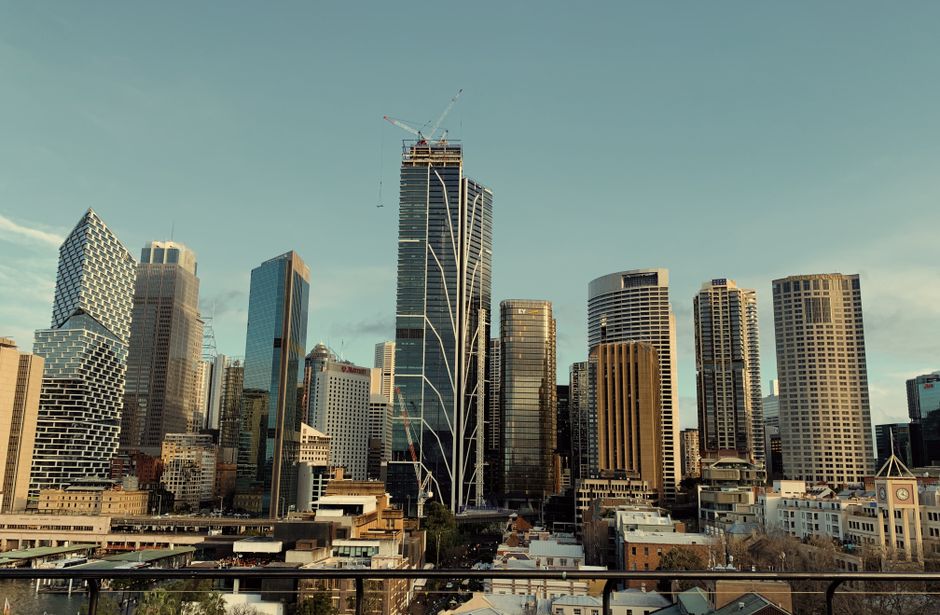
When the City of Melbourne announced its ambitious plan to achieve net-zero emissions by 2040, Sarah Chen was sceptical. A resident of Footscray for the past fifteen years, she'd watched countless sustainability campaigns come and go without meaningfully addressing the pollution that settled over her neighbourhood's aging industrial precinct.
"You see these grand announcements, but who are they really helping?" Chen said, reflecting on the council's $130 million urban forest strategy. "My street in West Footscray still has three times fewer trees than suburbs like Toorak. The investment looks good on paper, but equity matters."
Chen's frustration echoes across Melbourne's working-class neighbourhoods, where community members are increasingly asserting their voices in sustainability debates that have historically been dominated by environmental consultants and council chambers. From Coburg to Dandenong, residents are challenging how green initiatives are deployed—and asking uncomfortable questions about who benefits.
Local organisations like the Western Suburbs Environmental Alliance have emerged as crucial intermediaries, ensuring that those living closest to industrial sites, truck routes, and contaminated land aren't afterthoughts in Melbourne's environmental transition. The alliance recently surveyed 400 residents across the western corridor and found that 73% felt their community's specific environmental health needs weren't reflected in council sustainability strategies.
"Environmental justice isn't trendy," said James Patel, a Coburg-based advocate who coordinates community consultations for the alliance. "But it's essential. We're not asking to halt progress—we're asking for targeted support. If you're phasing out industrial polluters, those communities need investment in remediation and health services, not just theoretical carbon credits."
The City of Melbourne has begun listening. Recent consultations for the updated Sustainability Strategy specifically targeted traditionally marginalised neighbourhoods, though residents suggest the process still requires deeper community participation earlier in planning phases rather than as an afterthought.
Near the Yarra River in Docklands, another demographic—renters facing displacement as climate adaptation transforms waterfront properties—voiced concerns about being priced out of green-retrofitted precincts. Housing affordability and environmental sustainability are increasingly inseparable conversations.
What's emerging is a realisation that Melbourne's net-zero ambitions can't succeed without genuine community partnership. Not consultation that happens to communities, but co-design that happens with them. As the city races toward 2040, residents across its most vulnerable neighbourhoods are ensuring that sustainability isn't a luxury good—it's a right everyone shares.
This article was compiled by AI from the sources linked above and screened before publishing. See our editorial standards.