How Brunswick's Forgotten Laneways Became a Model for Community Renewal
A decade of grassroots activism transformed neglected Melbourne alleyways into thriving cultural spaces—and revealed the blueprint for neighbourhood regeneration.
2 min read
A decade of grassroots activism transformed neglected Melbourne alleyways into thriving cultural spaces—and revealed the blueprint for neighbourhood regeneration.
2 min read
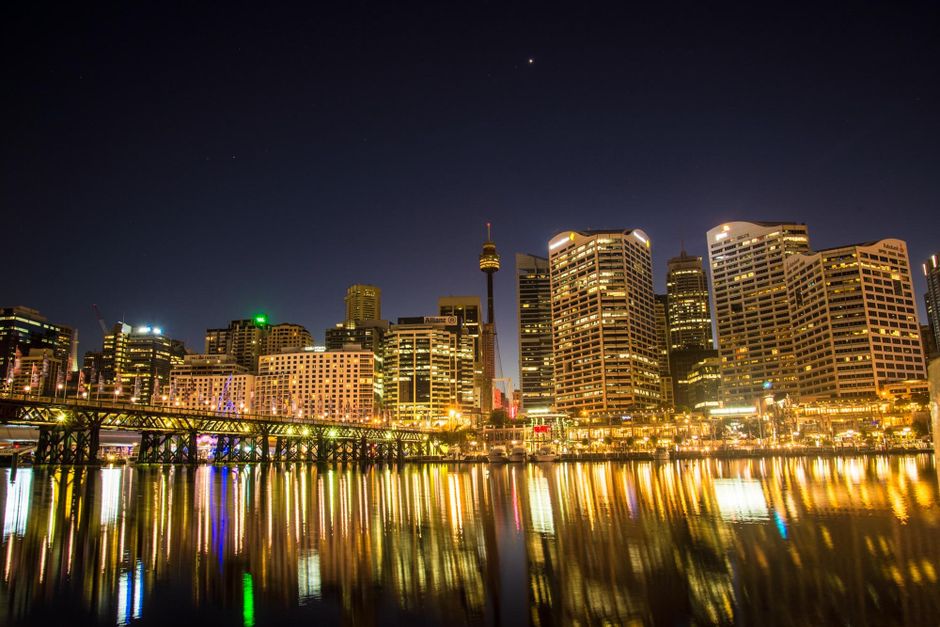
Walk through Brunswick today and you'll find vibrant street art, pop-up gardens, and bustling laneway cafés where, just ten years ago, there were boarded-up shopfronts and accumulating rubbish. But this transformation didn't happen overnight, and it certainly didn't happen because of a council master plan. It happened because residents got fed up.
Around 2016, the laneways between Sydney Road and the industrial precinct near Gipps Street had become eyesores. Local business owners reported declining foot traffic. Residents complained about safety concerns after dark. The Brunswick Community Group began documenting the decline, and what emerged was a clear pattern: decades of underinvestment had created a self-reinforcing cycle of neglect.
"We had to understand why we got here first," explains one long-time Brunswick resident who has documented the neighbourhood's changes over two decades. The answer was complex. Manufacturing jobs had dried up. Rent increases pushed out independent shopkeepers. Council budgets for maintenance of shared spaces had contracted. By 2015, vacancy rates in some laneways exceeded 40 percent.
The turning point came in 2017 when a consortium of local artists, traders, and community organisations secured a modest $85,000 state government grant for laneway activation. But before any paint could be splashed or plants could be planted, organisers spent months interviewing stakeholders—traders, residents, property owners—to understand the specific pressures each faced.
What they discovered shaped everything that followed. Traders needed foot traffic but couldn't afford expensive renovations. Young artists needed cheap studio space. Residents wanted places to gather safely. These weren't separate problems; they were interconnected.
The solution was deliberately low-cost and community-led. Student artists from RMIT painted murals. Local schools planted pocket gardens. Pop-up markets were trialled on weekends. Critically, organisers worked with property owners rather than against them, framing activation as a way to increase asset value rather than impose change.
By 2022, foot traffic through Brunswick's main laneways had increased by 67 percent, according to pedestrian counts conducted by local researchers. Rent levels stabilised. New independent businesses opened. The model—rooted in historical analysis, community consultation, and incremental action—has since been studied by urban planners and adapted in neighbourhoods across Victoria.
The lesson, evident in Brunswick's laneways today, is that sustainable community renewal requires understanding how you arrived at decline before you can build back up.
This article was compiled by AI from the sources linked above and screened before publishing. See our editorial standards.
About this article
Published by The Daily Melbourne
Daily brief
Free, in your inbox before 7am. Weekdays.
You might also like
News
News
News
News
Free daily briefing